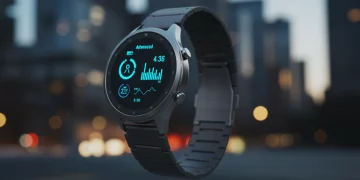
Wearable Health Tech: 2025 Devices Redefining Health Monitoring
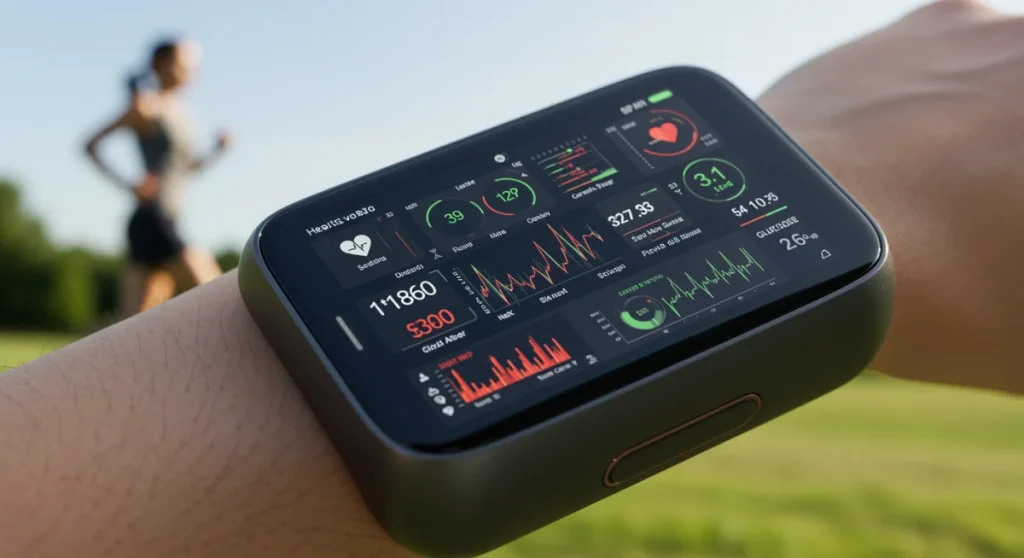
Wearable health tech in 2025 transcends basic step tracking, integrating advanced sensors and AI for comprehensive, real-time physiological monitoring and predictive health insights, fundamentally reshaping personal wellness.
Have you ever wondered what the future holds for personal health monitoring? The realm of wearable health tech is undergoing a profound transformation, moving light-years beyond the simple step counters of yesteryear. In 2025, these sophisticated devices are poised to offer unprecedented insights into our well-being, tracking an array of metrics that were once confined to clinical settings.
The Evolution of Wearable Health Monitoring
The journey of wearable technology in health has been nothing short of remarkable. From bulky pedometers to sleek smartwatches, the progression reflects a relentless pursuit of more accurate, comprehensive, and non-invasive health data. Today, we stand on the precipice of a new era where wearables are not just tools for fitness, but integral components of proactive health management.
Early wearables focused primarily on activity tracking, providing motivational data for fitness enthusiasts. However, as sensor technology advanced and miniaturization became more sophisticated, these devices began to incorporate heart rate monitoring, sleep analysis, and basic activity recognition. This laid the groundwork for the complex ecosystems we see emerging in 2025.
From Activity Trackers to Diagnostic Assistants
The shift from simple activity trackers to devices capable of assisting in diagnostics is a significant leap. Modern wearables now integrate medical-grade sensors, enabling them to capture data previously only obtainable through specialized equipment. This includes continuous glucose monitoring, advanced ECG capabilities, and even early detection of certain health conditions.
- Continuous glucose monitoring (CGM) integration for non-diabetics.
- Advanced electrocardiogram (ECG) for atrial fibrillation detection.
- Blood pressure monitoring through cuffless technology.
- Temperature sensing for illness onset detection.
This evolution highlights a growing trend towards preventative care, where individuals are empowered with real-time health data to make informed decisions. The goal is to move beyond reactive treatment and embrace a proactive approach to health, supported by accessible and accurate personal health data.
The integration of artificial intelligence (AI) further elevates these devices. AI algorithms can analyze vast amounts of biometric data, identifying subtle patterns and potential health risks that might otherwise go unnoticed. This predictive capability is a game-changer, allowing for early intervention and personalized health strategies. The future of wearables is not just about data collection, but about intelligent data interpretation.
As we delve deeper into 2025, wearable health tech continues to push boundaries, blending cutting-edge science with user-friendly design. The focus remains on empowering individuals to take an active role in their health journey, providing them with the tools to understand their bodies better and respond proactively to their needs.
Advanced Biometric Sensors: Beyond the Obvious
The core of next-generation wearable health tech lies in its advanced biometric sensors. These aren’t just refined versions of existing technology; they represent a paradigm shift in how we measure and understand our body’s internal workings. The sensors in 2025 are designed for precision, comfort, and seamless integration into daily life, often becoming imperceptible.
While heart rate and step counting remain foundational, new sensors are unlocking a wealth of physiological data. Imagine devices that can non-invasively monitor blood chemistry, detect early signs of stress at a cellular level, or even analyze gait patterns to predict fall risks in older adults. This level of detail transforms raw data into actionable health insights.
Non-Invasive Glucose Monitoring
One of the most anticipated breakthroughs is truly non-invasive glucose monitoring. For millions of people managing diabetes, and even for those seeking to optimize their metabolic health, this technology promises to eliminate the need for painful finger pricks. Devices are emerging that use advanced optics or radio frequency to measure glucose levels through the skin, offering continuous, real-time data.
- Optical sensors using spectroscopy to detect glucose molecules.
- Radio frequency sensors analyzing tissue properties.
- Integration with smart algorithms for predictive trend analysis.
- Improved accuracy and reduced calibration needs.
This innovation not only improves the quality of life for individuals with diabetes but also opens up new avenues for understanding metabolic responses to diet and exercise in the general population. It paves the way for highly personalized nutritional guidance and preventive strategies against metabolic disorders.
Beyond glucose, other advanced sensors are focused on hydration levels, lactate thresholds during exercise, and even the electrical activity of muscles. These sensors are becoming smaller, more energy-efficient, and more robust, allowing for longer battery life and greater accuracy in diverse environmental conditions. The goal is to provide a holistic view of physiological state, rather than isolated data points.
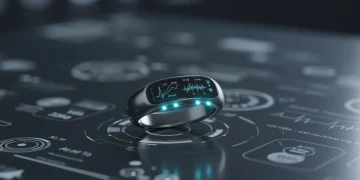
The sophistication of these sensors is matched by their ability to operate discreetly. Many are embedded in everyday items like rings, patches, or even clothing, making health monitoring a subconscious rather than a deliberate act. This seamless integration encourages consistent use, which is crucial for collecting meaningful long-term data and identifying subtle health shifts.
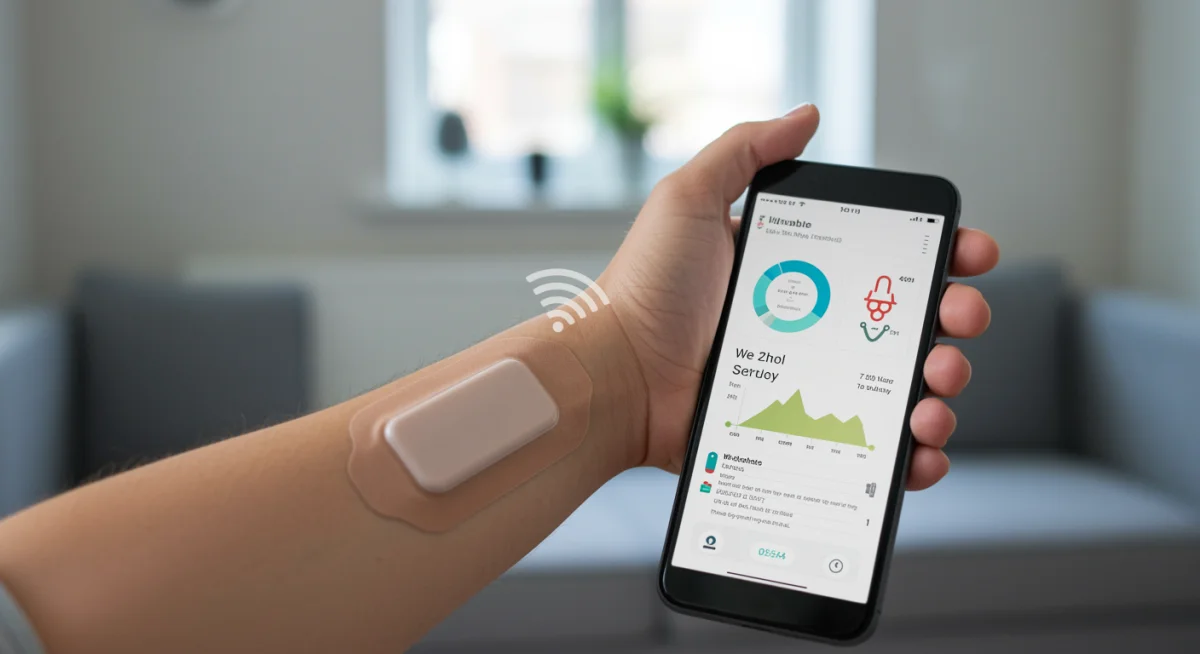

The advancements in biometric sensing are creating a future where our bodies communicate their needs and vulnerabilities directly to us, enabling unprecedented levels of personal health autonomy. These sensors are the eyes and ears of the new health paradigm, providing the raw data that AI then transforms into wisdom.
AI-Powered Predictive Analytics and Personalized Health
The true power of 2025’s wearable health tech isn’t just in data collection, but in what happens with that data. Artificial intelligence (AI) has emerged as the indispensable brain behind these devices, transforming raw biometric readings into actionable, personalized health insights and predictive warnings. This capability moves us from merely tracking symptoms to anticipating potential health issues before they manifest.
AI algorithms analyze vast, continuous streams of data from multiple sensors, identifying subtle patterns and anomalies that human observation might miss. This includes correlating sleep quality with heart rate variability, or dietary intake with glucose fluctuations, to paint a comprehensive picture of an individual’s health trajectory. The more data collected, the smarter and more accurate the AI becomes.
Machine Learning for Early Disease Detection
Machine learning models are at the forefront of early disease detection. By training on massive datasets of healthy and diseased individuals, these models learn to recognize the subtle biometric signatures associated with various conditions. This allows wearables to flag potential health concerns, prompting users to seek medical attention much sooner than traditional methods.
- Detection of early cardiac arrhythmias (beyond AFib).
- Identification of respiratory infection onset from vital signs.
- Prediction of stress-induced physiological responses.
- Analysis of sleep patterns for sleep apnea and other disorders.
This predictive capability extends to mental health as well. AI can analyze changes in activity levels, sleep patterns, and even vocal tone (through integrated microphones, with user consent) to infer emotional states and potential signs of anxiety or depression. Early detection allows for timely intervention, whether through guided meditation apps or professional psychological support.
Personalization is another cornerstone of AI in wearable health. Instead of generic health advice, users receive recommendations tailored specifically to their unique physiological responses and lifestyle. This could range from optimal exercise routines based on recovery metrics to dietary suggestions that improve metabolic health, all dynamically adjusted based on real-time data.
The integration of AI also means these devices are constantly learning and improving. Over time, a wearable can become intimately familiar with its wearer’s baseline health, making it even more adept at spotting deviations. This continuous feedback loop ensures that the health insights provided are not only personalized but also increasingly accurate and relevant, adapting to an individual’s changing health needs and goals.
Seamless Integration with Lifestyle and Medical Ecosystems
The effectiveness of wearable health tech in 2025 is significantly amplified by its ability to seamlessly integrate into both our daily lives and the broader medical ecosystem. These devices are no longer standalone gadgets; they are interconnected nodes within a personal health network, designed to provide a holistic view of well-being while ensuring data privacy and security.
This integration means that data from your smartwatch might communicate with your smart scale, your smart bed, and even your smart kitchen appliances, creating a comprehensive picture of your activity, rest, and nutrition. The goal is to make health monitoring effortless and inherent to daily routines, rather than an added chore.
Interoperability with Electronic Health Records (EHR)
A major development is the enhanced interoperability between wearables and electronic health records (EHRs). With proper patient consent, data from personal health devices can be securely shared with healthcare providers. This gives doctors a more complete and continuous understanding of a patient’s health between appointments, leading to more informed diagnoses and personalized treatment plans.
- Secure data transmission protocols for patient privacy.
- Standardized data formats for seamless EHR integration.
- Real-time alerts for healthcare providers based on critical deviations.
- Facilitating remote patient monitoring for chronic conditions.
Beyond EHRs, wearables are also integrating with a wider array of digital health platforms, including telehealth services, wellness apps, and even insurance providers. This creates a connected health ecosystem where individuals can access a range of services and support based on their real-time health data, promoting preventative care and reducing healthcare costs.
The design philosophy emphasizes comfort and aesthetics, ensuring that wearables are not just functional but also desirable to wear. They blend into fashion, sports gear, and even professional attire, making health monitoring an invisible yet ever-present aspect of modern living. This cultural shift towards health-conscious living is bolstered by devices that are both powerful and stylish.
Ultimately, the seamless integration of wearable health tech transforms it from a novelty into an essential tool. By connecting personal data with professional healthcare and daily routines, these devices empower individuals to manage their health proactively, while also providing invaluable data to medical professionals for better patient outcomes and public health insights.
Ethical Considerations and Data Privacy in Wearables
As wearable health tech becomes increasingly sophisticated and integrated into our lives, the ethical implications and the paramount importance of data privacy come sharply into focus. The vast amounts of personal health data collected by these devices raise critical questions about who owns this data, how it’s used, and how it’s protected from misuse or breaches. Addressing these concerns is crucial for maintaining user trust and widespread adoption.
The sensitive nature of health information demands robust security measures and clear, transparent policies. Users need to feel confident that their most intimate data is not only secure but also used in ways that benefit their health, not exploited for commercial gain without their explicit consent. This balance between utility and privacy is a delicate one that industry leaders and policymakers are continuously working to refine.
Ensuring Data Security and Anonymization
Companies developing wearable health tech are investing heavily in state-of-the-art encryption and cybersecurity protocols to protect user data. Beyond technical safeguards, ethical guidelines are being established for data handling, storage, and sharing. Anonymization and aggregation of data are key strategies to enable research and public health insights without compromising individual identities.
- End-to-end encryption for all data transmissions.
- Strict access controls and multi-factor authentication.
- Regular security audits and vulnerability assessments.
- Clear user consent mechanisms for data sharing.
The legal and regulatory landscape is also evolving to keep pace with technological advancements. Regulations like HIPAA in the United States and GDPR in Europe provide frameworks for protecting health data, but their application to consumer-grade wearables can be complex. There’s a growing call for clearer, more comprehensive regulations specifically for health wearables.
Furthermore, the potential for algorithmic bias in AI-powered health analytics is a significant ethical concern. If AI models are trained on unrepresentative datasets, they might produce inaccurate or biased health insights for certain demographic groups. Developers are actively working to ensure fairness and inclusivity in their algorithms, striving for equitable health outcomes for all users.
Ultimately, the success and societal benefit of wearable health tech hinge on a strong foundation of trust. This trust is built through transparent data practices, robust security, and a commitment to ethical design that prioritizes the user’s well-being and privacy above all else. Engaging in open dialogue about these challenges is essential as we navigate the future of connected health.
The Future Outlook: Beyond 2025 for Wearable Health Tech
Looking beyond 2025, the trajectory of wearable health tech points towards an even more integrated, intelligent, and invisible future. The innovations we see today are merely stepping stones to a world where personal health monitoring is an ambient, always-on process, providing continuous feedback without requiring conscious effort. The boundaries between technology and the human body will continue to blur, leading to unprecedented levels of personalized care and preventative medicine.
One major area of advancement will be in the realm of truly implantable or ingestible sensors, working in tandem with external wearables. These internal devices could offer even more precise and direct physiological measurements, while external wearables would handle data processing, communication, and user interface. This combination promises a level of detail and accuracy previously unimaginable.
Augmented Reality and Haptic Feedback
The integration of augmented reality (AR) with wearable health tech is another exciting frontier. Imagine receiving real-time health data overlays in your field of vision, or personalized exercise instructions projected onto your environment. Haptic feedback, already present in some devices, will become more sophisticated, offering subtle, intuitive alerts and guidance based on your health status.
- AR displays for real-time health data visualization.
- Personalized haptic cues for stress reduction or posture correction.
- Interactive health coaching through AR interfaces.
- Gamification of health goals in a mixed reality environment.
Furthermore, the concept of a ‘digital twin‘ for health is gaining traction. This involves creating a highly detailed, dynamic virtual model of an individual’s physiological state, continuously updated by wearable data. This digital twin could be used to simulate the effects of different treatments, diets, or exercise regimens, allowing for highly optimized and personalized health interventions before they are applied in reality.
The role of AI will continue to expand, moving towards more advanced predictive capabilities and even proactive interventions. Imagine a wearable that not only detects an impending health issue but also suggests immediate, personalized actions, or even autonomously contacts emergency services if a critical event is detected. This level of autonomy will require careful ethical consideration and robust safety protocols.
Ultimately, the future of wearable health tech is about empowering individuals with an unparalleled understanding and control over their health. It’s about creating a world where illness is often preventable, and health is a continuous, optimized journey, supported by intelligent, unobtrusive technology that works seamlessly in the background of our lives.
| Key Aspect | Brief Description |
|---|---|
| Advanced Sensors | Beyond basic tracking, devices now offer non-invasive glucose, advanced ECG, and continuous blood pressure monitoring for comprehensive health insights. |
| AI-Powered Analytics | Artificial intelligence analyzes vast data streams for predictive health insights, early disease detection, and highly personalized wellness recommendations. |
| Ecosystem Integration | Seamless connectivity with EHRs, telehealth platforms, and other smart devices creates a holistic, interconnected personal health network. |
| Ethical Considerations | Focus on robust data privacy, security, and transparent usage policies to build user trust and ensure responsible innovation in health tech. |
Frequently Asked Questions About 2025 Wearable Health Tech
In 2025, wearables track advanced metrics like non-invasive continuous glucose levels, cuffless blood pressure, detailed ECG analysis beyond AFib, hydration status, and even early indicators of stress or illness onset. These go far beyond traditional heart rate and step counting, offering a more complete physiological picture.
AI enhances wearables by analyzing complex biometric data to provide personalized health insights, detect early signs of disease, and offer predictive warnings. It identifies subtle patterns, tailors recommendations for exercise and diet, and continuously learns from individual data to improve accuracy and relevance over time.
Yes, with appropriate user consent and secure protocols, data from 2025 wearables can be seamlessly and securely integrated with Electronic Health Records (EHRs). This enables healthcare providers to access continuous patient health data, leading to more informed diagnoses and personalized treatment plans between appointments.
Main privacy concerns include the security of highly sensitive personal health data, how companies use and share this data, and the potential for algorithmic bias. Robust encryption, clear consent policies, and adherence to regulations like HIPAA and GDPR are crucial for protecting user information.
Beyond 2025, we anticipate even greater integration, including implantable or ingestible sensors, advanced augmented reality (AR) health interfaces, and sophisticated haptic feedback for personalized guidance. The concept of a ‘digital twin’ for health modeling is also emerging, promising hyper-personalized preventative care.
Conclusion
The landscape of wearable health tech in 2025 represents a monumental leap forward, transitioning from basic fitness tracking to comprehensive, intelligent health monitoring. These devices, powered by advanced biometric sensors and sophisticated AI, are providing an unprecedented window into our physiological well-being, offering insights that were once the exclusive domain of medical professionals. From non-invasive glucose monitoring to predictive analytics for early disease detection, wearables are empowering individuals to take a proactive and informed role in managing their health. As this technology continues to evolve, seamlessly integrating into our daily lives and the broader medical ecosystem, while carefully navigating ethical considerations and data privacy, it promises to redefine personal health and preventative care for years to come. The future of health is increasingly personal, predictive, and powered by the intelligent devices we wear.