Sustainable Tech Innovations: 7 Green Technologies Poised for 20% Growth in the US by 2026
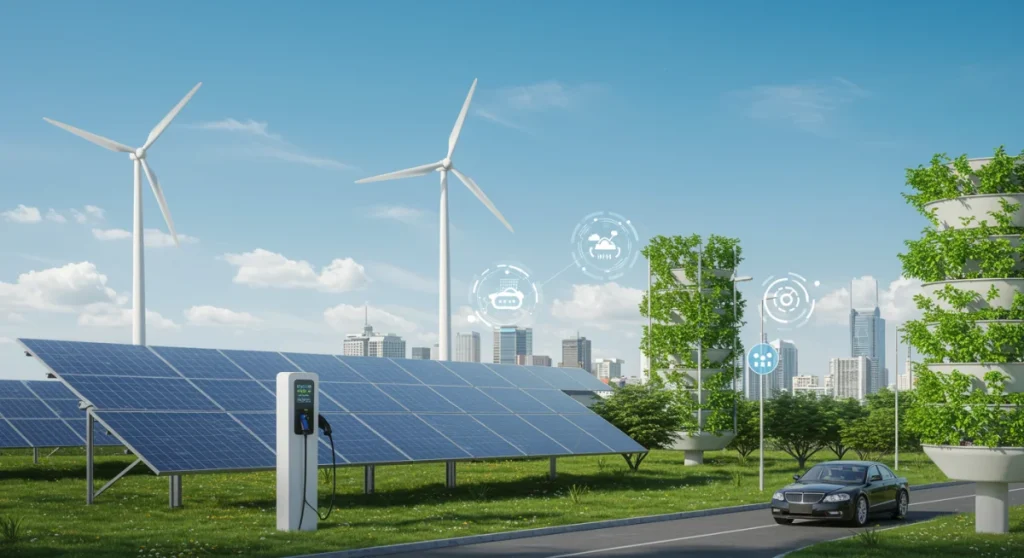
Seven sustainable tech innovations are poised for substantial growth in the US by 2026, offering promising solutions for environmental challenges and economic opportunities in the green sector.
The landscape of technology is continually evolving, with a growing emphasis on environmental responsibility and resource efficiency. In the United States, a significant shift towards greener solutions is accelerating, driven by both consumer demand and strategic investments. This article explores sustainable tech innovations, highlighting seven green technologies expected to achieve at least 20% growth in the US by 2026, reshaping industries and our daily lives.
The Rise of Renewable Energy Solutions
The transition from fossil fuels to renewable energy sources is not merely an environmental imperative but a burgeoning economic sector. The US is witnessing unprecedented investment in solar and wind power, with these technologies becoming increasingly cost-competitive and efficient. This section delves into the foundational role of renewable energy in the sustainable tech landscape, examining how policy, innovation, and market forces are driving its expansion.
Government incentives, coupled with advancements in material science and energy conversion, have made renewable energy a cornerstone of sustainable development. The grid modernization efforts across states are also facilitating better integration of these variable sources, ensuring reliability and stability. As technology progresses, the efficiency of solar panels and wind turbines continues to improve, making them viable options for a wider range of applications, from utility-scale projects to residential installations.
Solar Photovoltaic Enhancements
- Perovskite solar cells: Offering higher efficiency and lower manufacturing costs than traditional silicon.
- Floating solar farms: Utilizing water bodies to reduce land use and improve panel efficiency through cooling.
- Building-integrated photovoltaics (BIPV): Seamlessly integrating solar technology into building materials, like roof tiles and windows.
These innovations are not only making solar energy more accessible but also more aesthetically pleasing and adaptable to diverse environments. The focus is shifting towards maximizing energy capture while minimizing the environmental footprint of the installations themselves. This holistic approach ensures that the growth of solar power is truly sustainable.
The sustained growth in renewable energy is a testament to its dual benefits: environmental protection and economic opportunity. It creates jobs, fosters technological innovation, and reduces reliance on volatile global energy markets. The US commitment to a cleaner energy future is evident in the accelerating pace of renewable energy adoption and the continuous investment in research and development.
Advanced Energy Storage Systems
As renewable energy sources become more prevalent, the challenge of intermittency—when the sun isn’t shining or the wind isn’t blowing—grows. This is where advanced energy storage systems come into play, acting as critical enablers for a stable and reliable green energy grid. This section explores the innovations in battery technology and other storage solutions that are pivotal for integrating renewables effectively and ensuring constant power supply.
Lithium-ion batteries have dominated the market, but new chemistries and designs are emerging to address cost, safety, and environmental concerns. Beyond batteries, alternative storage methods like hydrogen fuel cells, pumped-hydro storage, and even thermal energy storage are gaining traction. These diverse solutions cater to different scales and durations of energy demand, from short-term grid stabilization to seasonal energy reserves.
Next-Generation Battery Technologies
- Solid-state batteries: Promising higher energy density, faster charging, and enhanced safety compared to liquid electrolyte batteries.
- Flow batteries: Ideal for large-scale, long-duration storage due to their modular design and ability to separate energy capacity from power output.
- Sodium-ion batteries: A more abundant and potentially cheaper alternative to lithium, suitable for stationary storage applications.
The development of these advanced storage systems is crucial for maximizing the value of renewable energy. They allow surplus energy generated during peak production times to be stored and then discharged when demand is high or renewable output is low. This capability significantly reduces the need for fossil fuel-powered backup plants, further decarbonizing the energy sector.
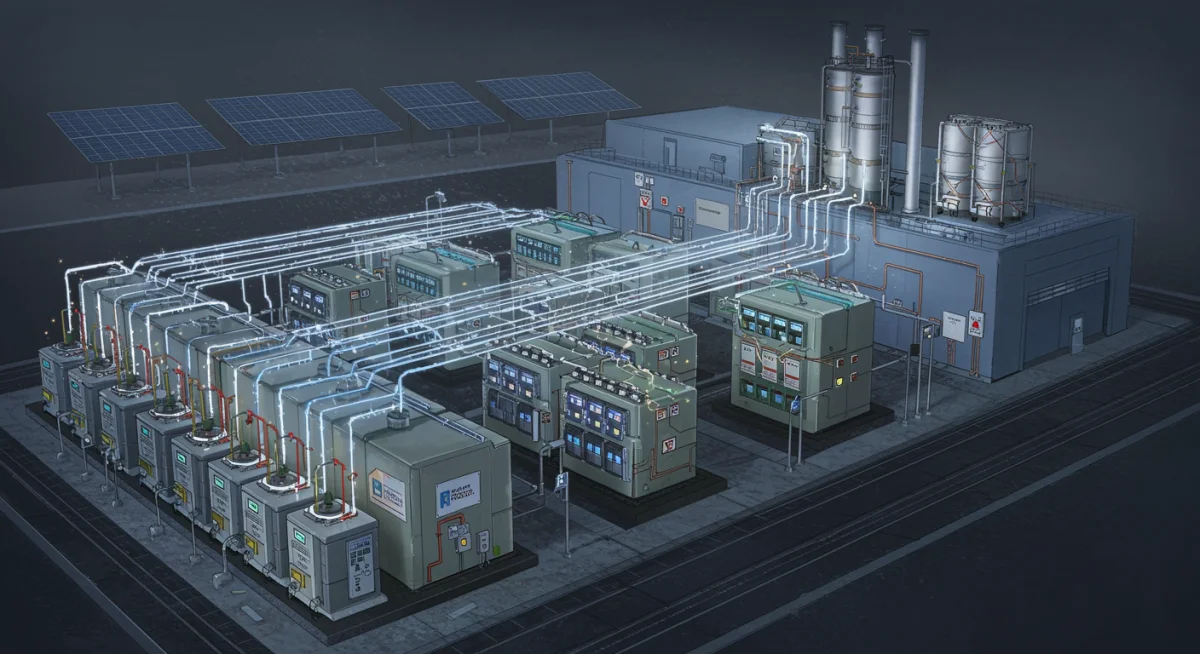
The investment in energy storage infrastructure is not just about technology; it’s about building resilience into our energy systems. It ensures that homes and businesses have access to clean, reliable power, even when conventional sources are unavailable. This robust infrastructure is a cornerstone of the broader sustainable tech movement.
Electric Vehicle (EV) Infrastructure Expansion
The surge in electric vehicle adoption in the US is undeniable, driven by increasing consumer awareness, performance improvements, and government incentives. However, the widespread success of EVs hinges on the rapid expansion and sophistication of their charging infrastructure. This section examines the innovations and strategic deployments that are making EV charging more accessible, faster, and smarter across the nation.
Beyond just adding more charging stations, the focus is on developing a seamless and efficient charging ecosystem. This includes ultra-fast charging capabilities, smart charging networks that can balance grid demand, and vehicle-to-grid (V2G) technology that allows EVs to feed power back into the grid. The goal is to eliminate range anxiety and make EV ownership as convenient as, if not more than, owning a gasoline-powered car.
Innovations in EV Charging
- Wireless charging: Offering convenience and reducing wear and tear on ports, ideal for public and private parking.
- Battery swapping stations: Providing a rapid alternative to charging, especially for commercial fleets.
- Smart charging platforms: Optimizing charging times based on electricity prices and grid demand, often integrated with renewable energy sources.
The expansion of EV infrastructure is a critical component of sustainable tech innovations, directly contributing to reduced carbon emissions from the transportation sector. It requires collaboration between vehicle manufacturers, energy providers, and urban planners to create a cohesive network. The increasing density of charging options, coupled with improved battery range, is making EVs a practical choice for more Americans.
This growth isn’t just about environmental benefits; it also stimulates economic activity, creating jobs in manufacturing, installation, and maintenance of charging systems. The continuous evolution of EV technology and infrastructure is paving the way for a cleaner, more sustainable future of transportation.
Sustainable Agriculture Technologies
Feeding a growing global population while minimizing environmental impact is one of humanity’s greatest challenges. Sustainable agriculture technologies are at the forefront of this effort, leveraging innovation to improve crop yields, reduce resource consumption, and enhance ecological health. This section explores how precision farming, vertical farms, and biotech solutions are transforming the agricultural sector in the US.
From drone-based crop monitoring to AI-driven irrigation systems, technology is enabling farmers to make more informed decisions, leading to less waste and higher productivity. These advancements not only conserve water and reduce pesticide use but also improve soil health and biodiversity. The shift towards sustainable practices is vital for long-term food security and environmental stewardship.
Key Agricultural Innovations
- Vertical farming: Growing crops in vertically stacked layers, often indoors, using controlled-environment agriculture to optimize growth with minimal land and water.
- Precision agriculture: Using GPS, sensors, and data analytics to apply resources like water and fertilizer precisely where and when needed.
- Bio-engineered crops: Developing drought-resistant, pest-resistant, and nutrient-enhanced crops through genetic modification and gene editing.
These technologies are not just about efficiency; they are about resilience. They equip farmers with the tools to adapt to climate change, reduce their carbon footprint, and produce healthier food. The integration of sustainable tech innovations into agriculture is creating a more robust and environmentally friendly food system.
The economic benefits are also significant, as these technologies can lead to reduced operational costs and increased profitability for farmers. As consumers increasingly demand sustainably produced food, these agricultural innovations are becoming essential for meeting market expectations and ensuring a thriving future for farming.
Carbon Capture, Utilization, and Storage (CCUS)
Addressing the climate crisis requires not only reducing emissions but also actively removing existing carbon dioxide from the atmosphere. Carbon Capture, Utilization, and Storage (CCUS) technologies offer a promising avenue for mitigating greenhouse gas concentrations, particularly from industrial sources. This section delves into the advancements and deployment strategies for CCUS in the US, highlighting its potential to decarbonize hard-to-abate sectors.
CCUS involves capturing CO2 emissions from power plants and industrial facilities, preventing them from entering the atmosphere. Once captured, the CO2 can either be stored permanently underground in geological formations or utilized to create new products, such as building materials, fuels, or chemicals. The dual approach of capture and utilization provides both environmental benefits and economic opportunities.
CCUS Technological Progress
- Direct Air Capture (DAC): Technologies that directly remove CO2 from the ambient air, offering a solution for legacy emissions and diffuse sources.
- Enhanced Oil Recovery (EOR) with CO2: Utilizing captured CO2 to increase oil production while permanently storing the CO2 underground.
- Carbon mineralization: Reacting CO2 with certain minerals to form stable carbonates, effectively locking away carbon.
The development of CCUS is a complex endeavor, requiring significant investment in research, infrastructure, and policy support. However, its potential to achieve deep decarbonization in sectors like cement, steel, and chemical production makes it an indispensable part of the sustainable tech portfolio. The US government and private sector are increasingly recognizing its importance and funding pilot projects and large-scale deployments.
While challenges remain, the progress in CCUS technologies is encouraging. It represents a vital tool in the fight against climate change, offering a pathway to achieve net-zero emissions and create a more sustainable industrial future. The integration of CCUS into industrial processes is a critical step towards a circular carbon economy.
Smart Grid and Grid Modernization
The traditional electrical grid, designed for one-way power flow from large central power plants, is ill-equipped for the demands of a distributed, renewable-dominated energy landscape. Smart grid technologies and comprehensive grid modernization efforts are transforming this infrastructure, making it more resilient, efficient, and capable of integrating diverse energy sources. This section explores how these innovations are creating a more intelligent and sustainable power delivery system in the US.
A smart grid uses digital communication technology to detect and react to local changes in usage and supply. It incorporates advanced sensors, automated controls, and data analytics to optimize energy flow, reduce outages, and enable consumers to better manage their energy consumption. This shift is crucial for handling the variability of renewable energy and the increasing demand from electric vehicles and other electrified technologies.
Key Smart Grid Features
- Advanced metering infrastructure (AMI): Smart meters that provide real-time data on energy consumption, enabling better billing and demand response programs.
- Distributed energy resource management systems (DERMS): Software platforms to manage and optimize the operation of distributed energy resources like rooftop solar and battery storage.
- Self-healing grids: Automated systems that can detect faults and re-route power to minimize outage durations.
Grid modernization is not just about technology; it’s about creating a more flexible and responsive energy ecosystem. It empowers consumers with more control over their energy use and facilitates the widespread adoption of clean energy. The ongoing investments in upgrading the US power grid are essential for supporting the broader transition to a sustainable energy future.
The benefits extend beyond environmental impact, encompassing improved reliability, reduced energy costs, and enhanced cybersecurity for critical infrastructure. The smart grid is a foundational element for integrating all other sustainable tech innovations, ensuring that a cleaner energy future is also a more robust and secure one.
| Key Innovation | Brief Description |
|---|---|
| Renewable Energy | Solar and wind power advancements driving clean energy adoption. |
| Energy Storage | Next-gen batteries and alternative storage for grid stability. |
| EV Infrastructure | Expansion of charging networks for electric vehicle scalability. |
| Smart Grid | Modernizing power grids for efficiency and renewable integration. |
Frequently Asked Questions About Green Technologies
The growth is primarily driven by increasing environmental awareness, supportive government policies and incentives, technological advancements reducing costs, and strong consumer demand for eco-friendly products and services. These factors collectively create a robust market for green innovations.
Advanced energy storage systems mitigate the intermittency of renewable sources like solar and wind. They store excess energy generated during peak production and release it when demand is high or renewable output is low, ensuring a stable and continuous power supply to the grid.
AI plays a crucial role in precision agriculture by analyzing vast datasets from sensors, drones, and satellite imagery. This enables optimized irrigation, targeted pest control, and precise nutrient application, leading to higher yields, reduced waste, and more sustainable farming practices.
While carbon capture, utilization, and storage (CCUS) is a vital tool for reducing emissions from hard-to-abate sectors and removing atmospheric CO2, it is part of a broader portfolio of solutions. It complements, rather than replaces, the need for deep emission reductions and renewable energy transition.
Smart grids will provide consumers with more real-time information about their energy consumption, enabling better management and potential cost savings through demand response programs. They also enhance grid reliability and facilitate easier integration of rooftop solar and electric vehicle charging, promoting greater energy independence.
Conclusion
The trajectory of sustainable tech innovations in the US points towards a future where environmental stewardship and technological advancement go hand-in-hand. The seven green technologies discussed—ranging from advanced renewable energy and storage solutions to electric vehicle infrastructure, sustainable agriculture, carbon capture, and smart grids—are not just buzzwords but concrete pathways to a more resilient and eco-friendly economy. As these sectors continue their projected growth of over 20% by 2026, they promise not only significant environmental benefits but also substantial economic opportunities, driving job creation and fostering a new era of innovation. Embracing these technologies is crucial for securing a sustainable future for generations to come.