Advanced Materials in Tech: 4 Breakthroughs for Lighter Devices

Advanced materials in tech are at the forefront of innovation, with four pivotal breakthroughs anticipated to yield devices that are up to 15% lighter by 2026, transforming the landscape of consumer electronics and industrial applications.
The relentless pursuit of miniaturization and enhanced portability in consumer electronics has driven an unprecedented demand for innovative materials. As we look towards 2026, the realm of advanced materials in tech is experiencing a renaissance, promising devices that are not just more powerful, but significantly lighter. This shift is not merely about convenience; it’s about redefining user experience, extending battery life, and opening doors for entirely new product categories. The race to shed weight without sacrificing performance is on, and material science is leading the charge.
The imperative for lightweighting in modern electronics
The push for lighter electronic devices stems from a confluence of consumer demand and technological advancement. Users increasingly expect devices that are easy to carry, comfortable to hold for extended periods, and less burdensome in their daily lives. Beyond convenience, reducing device weight has profound implications for manufacturing, logistics, and even environmental sustainability. A lighter product often translates to lower shipping costs, reduced material consumption, and a smaller carbon footprint throughout its lifecycle.
This quest for lightness is particularly critical in sectors like wearables, augmented reality (AR) and virtual reality (VR) headsets, and even electric vehicles, where every gram saved contributes to improved performance, extended range, or enhanced user comfort. Traditional materials are reaching their limits in terms of strength-to-weight ratios, necessitating a pivot towards novel compositions and structures. The challenge lies in developing materials that not only offer superior lightness but also maintain or exceed the durability, conductivity, and thermal properties of their heavier predecessors.
Achieving significant weight reductions, such as the projected 15% by 2026, requires a multidisciplinary approach, blending physics, chemistry, and engineering. It involves understanding materials at an atomic level and engineering them for specific applications. The market rewards innovation in this space, as lighter devices often command premium prices and capture significant market share due to their perceived superiority and enhanced user experience. The future of electronics is undeniably light, and the foundational work is happening now in material science labs worldwide.
Graphene and 2D materials: thinner, stronger, lighter
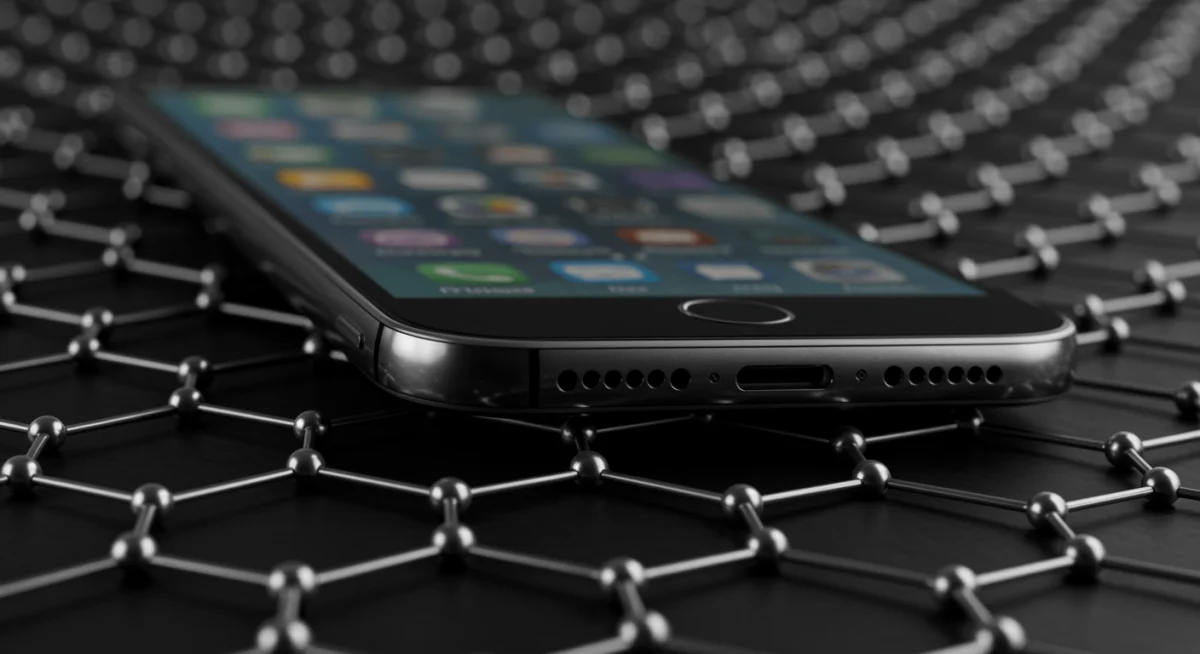
Graphene, a single layer of carbon atoms arranged in a two-dimensional hexagonal lattice, continues to captivate researchers and engineers alike. Its extraordinary properties—unrivaled strength (200 times stronger than steel), exceptional electrical conductivity, and incredible lightness—make it a frontrunner in the development of advanced materials in tech. Beyond graphene, a burgeoning family of 2D materials, including hexagonal boron nitride (hBN) and transition metal dichalcogenides (TMDs), is also showing immense promise for future applications, pushing the boundaries of what’s possible in lightweight electronics.
The integration of graphene and other 2D materials into device components can drastically reduce weight while improving performance. For instance, replacing traditional silicon in transistors with graphene can lead to faster, more energy-efficient processors. Its flexibility also opens up new design possibilities for foldable displays and wearable sensors, moving beyond rigid form factors. The challenge, however, lies in scaling up production to meet industrial demands and integrating these atomic-scale materials into complex manufacturing processes.
Revolutionizing device components
Graphene’s application extends beyond just structural integrity. Its high thermal conductivity means it can dissipate heat more efficiently than conventional materials like copper, allowing for thinner device profiles without compromising cooling. This is crucial for high-performance processors in compact devices where heat management is a significant design constraint.
- Flexible Displays: Graphene’s transparency and flexibility are ideal for next-generation foldable and rollable screens, enabling lighter and more durable devices.
- Advanced Batteries: Graphene-enhanced electrodes can significantly increase battery capacity and charging speeds, while also reducing the overall weight of the power source.
- Conductive Inks: Used in printed electronics, graphene inks create lightweight, flexible circuits for smart packaging and wearable sensors.
The potential for 2D materials to fundamentally alter the weight and functionality of electronic devices is immense. As research progresses from lab-scale synthesis to mass production, we can expect to see graphene and its cousins playing an increasingly vital role in achieving the 15% lighter devices target by 2026. The shift will be gradual but transformative, impacting everything from smartphones to aerospace components.
Metallic foams and microlattice structures: engineering strength and lightness
Metallic foams and microlattice structures represent a paradigm shift in structural engineering for electronics, offering an unprecedented combination of strength and ultra-low density. These materials are not just lighter; they are engineered at a microscopic level to maximize performance while minimizing mass. Metallic foams, for example, are created by injecting gas into molten metal or by powder metallurgy techniques, resulting in a porous structure akin to a sponge. Microlattices, on the other hand, are 3D open-cellular polymer structures, often made from nickel-phosphorus, with a remarkable 99.99% air by volume.
The primary advantage of these structures is their exceptional strength-to-weight ratio. They can absorb significant impact energy, making them ideal for protective casings in devices without adding substantial bulk. Imagine a smartphone casing that is virtually weightless yet capable of withstanding severe drops. This is the promise of metallic foams and microlattices in the context of advanced materials in tech.
Boeing’s microlattice, famously dubbed the ‘lightest metal in the world,’ consists of interconnected hollow tubes, each 1,000 times thinner than a human hair. This structure allows for superior energy absorption and structural integrity at a fraction of the weight of traditional alloys. Such materials are already being explored for aerospace applications, and their transition to consumer electronics is a natural progression as manufacturing techniques become more refined and cost-effective.
Applications beyond aerospace
While originally developed for demanding aerospace environments, the principles behind metallic foams and microlattices are highly transferable to consumer electronics. Their ability to dampen vibrations and provide robust protection in a lightweight form factor is highly desirable.
- Device Casings: Replacing solid metal or plastic casings with microlattice structures can dramatically reduce the overall weight of laptops, tablets, and smartphones.
- Internal Support Structures: Components like battery housings or display frames can be constructed from these materials to maintain rigidity without adding mass.
- Thermal Management: The open-cell structure of some metallic foams can also aid in heat dissipation, further contributing to thinner, lighter device designs.
The ongoing research into manufacturing processes, such as additive manufacturing (3D printing), is making the production of complex microlattice geometries more accessible. As these techniques mature, the widespread adoption of metallic foams and microlattices will be pivotal in achieving the ambitious weight reduction targets for electronic devices by 2026, offering both lightness and enhanced resilience.
Transparent wood: a sustainable and strong alternative
Transparent wood, an emerging material gaining significant traction, is poised to offer a sustainable and high-performance alternative to traditional plastics and glass in electronics. This innovative material is created by removing lignin from wood veneer and then impregnating the porous structure with a transparent polymer, such as epoxy or acrylic. The result is a material that retains the strength and durability of wood but becomes optically clear, boasting light transmittance levels comparable to glass.
The appeal of transparent wood lies not only in its aesthetic novelty but also in its superior mechanical properties and environmental footprint. It is significantly lighter than glass, yet offers higher strength and shatter resistance, making it an ideal candidate for device screens and casings. Furthermore, as a bio-based material, it aligns perfectly with the growing demand for sustainable and eco-friendly manufacturing practices in the tech industry, reducing reliance on petroleum-based plastics.
Research has shown that transparent wood exhibits excellent thermal insulation properties, which could contribute to better battery performance and device longevity by managing internal temperatures more effectively. Its potential as a structural material that also allows light to pass through opens up new design avenues for device aesthetics and functionality, potentially integrating displays directly into structural elements.
Beyond mere aesthetics
While the visual appeal of transparent wood is undeniable, its true value in the context of advanced materials in tech extends to its functional benefits. Its inherent strength and lightweight nature make it a compelling choice for replacing heavier, more brittle components.
- Device Screens: A shatter-resistant, lighter alternative to Gorilla Glass, improving durability and reducing overall device weight.
- Structural Components: Can be used for internal frames or even external casings, offering a unique blend of strength, sustainability, and aesthetic appeal.
- Thermal Management: Its insulating properties can help regulate device temperature, potentially leading to thinner designs without overheating issues.
The development of transparent wood is still in its early stages for mass production, but its potential to contribute to lighter, more sustainable, and aesthetically pleasing electronic devices by 2026 is undeniable. As manufacturing processes become more scalable and cost-effective, this bio-based marvel could fundamentally change how we perceive and construct our everyday tech.
Self-healing polymers and composites: durability meets lightness
The concept of self-healing materials, particularly polymers and composites, is revolutionizing the notion of device longevity and robustness. These advanced materials in tech possess the remarkable ability to repair damage autonomously, extending the lifespan of electronic devices and reducing the need for replacements. This inherent repair mechanism directly contributes to weight reduction by allowing for thinner, lighter structural components without compromising durability. If a material can heal itself, it doesn’t need to be as thick or reinforced as traditional, non-healing materials.
Self-healing polymers typically incorporate microcapsules filled with a healing agent that ruptures upon damage, releasing the agent to polymerize and seal the crack. In composites, similar mechanisms can be employed, often involving vascular networks that deliver healing agents to the damaged site. This innovation means that minor scratches or micro-fractures, which often lead to structural failure over time, can be mended on the fly, maintaining the material’s integrity and performance.
Beyond the direct weight savings from thinner materials, self-healing capabilities also contribute to a lighter environmental footprint by reducing electronic waste. Devices made with these materials could stay in use longer, delaying obsolescence and the associated resource consumption for manufacturing new units. This blend of enhanced durability and inherent lightness makes self-healing materials a critical breakthrough for future electronics.
Impact on device design and user experience
The integration of self-healing materials offers device designers greater freedom to experiment with slender profiles and novel form factors. Users, in turn, benefit from more resilient devices that can withstand the rigors of daily use without the constant worry of damage.
- Scratch-Resistant Screens: Imagine phone screens that automatically repair minor scratches, maintaining optical clarity and reducing the need for screen protectors.
- Durable Casings: Device bodies that can heal minor cracks, preventing structural integrity issues and extending device life.
- Flexible Circuits: Self-healing properties can be incorporated into flexible circuit boards, increasing their reliability and preventing failures from repeated bending.
While still a niche application, the development curve for self-healing polymers and composites is steep. As the cost of manufacturing decreases and the healing mechanisms become more efficient and robust, their presence in consumer electronics will become increasingly commonplace. By 2026, these materials are expected to play a significant role in achieving lighter, more durable, and ultimately more sustainable tech devices, aligning perfectly with both user expectations and environmental goals.
Aerogels and structural batteries: multi-functional lightweighting
Aerogels and structural batteries represent a fascinating frontier in advanced materials in tech, offering multi-functional solutions that integrate lightness with utility. Aerogels, often referred to as ‘frozen smoke,’ are porous, ultralight materials derived from a gel in which the liquid component has been replaced with gas. Their incredibly low density (some are only three times the density of air) combined with exceptional insulating properties makes them ideal for applications where weight and thermal management are critical.
Structural batteries take this concept further by integrating energy storage directly into the load-bearing components of a device. Instead of a separate, heavy battery pack, the very structure of the device becomes the battery. This innovative approach eliminates redundant weight and space, leading to significantly lighter and more compact designs. Imagine a laptop casing that also stores power, or a drone frame that doubles as its energy source.
The combination of these two material innovations could lead to revolutionary changes in device architecture. Aerogels could be used as lightweight, high-performance insulation for sensitive internal components, further reducing the need for bulky thermal management systems. Structural batteries, on the other hand, promise to reduce the single heaviest component in most modern electronics—the battery—by making it an integral part of the device’s framework.
Synergies for ultimate lightness
The true power of aerogels and structural batteries emerges when their capabilities are combined, creating synergistic effects that lead to unprecedented weight savings and design freedom.
- Integrated Power & Protection: Device frames made from structural battery composites, insulated with aerogels, would be incredibly light, energy-efficient, and robust.
- Enhanced Portability: Eliminating traditional battery packs and heavy insulation means devices become significantly thinner and lighter, impacting wearables and mobile computing.
- Design Flexibility: Designers gain newfound freedom to create innovative form factors, as the constraints of separate power sources and bulky cooling systems are reduced.
While still facing manufacturing challenges related to cost and scalability, the ongoing advancements in aerogel synthesis and structural battery technology are promising. By 2026, these multi-functional lightweighting solutions are expected to move from specialized applications to mainstream electronics, playing a crucial role in achieving the ambitious goal of 15% lighter devices and ushering in a new era of elegant, high-performance tech.
The path to 15% lighter devices by 2026
The journey towards achieving a 15% reduction in device weight by 2026 is an ambitious yet attainable goal, driven by the remarkable advancements across various fields of material science. The breakthroughs in graphene and 2D materials, metallic foams and microlattices, transparent wood, and self-healing polymers, alongside multi-functional solutions like aerogels and structural batteries, are not isolated developments. Instead, they represent a converging effort to redefine the physical limits of electronic devices.
This collective progress is fueled by increased investment in research and development, coupled with sophisticated computational modeling that allows material scientists to predict and optimize properties at an atomic level. Furthermore, the rise of advanced manufacturing techniques, such as additive manufacturing (3D printing) and precision engineering, is enabling the fabrication of these novel materials into complex geometries required for modern electronics. The synergy between material innovation and manufacturing capability is what makes the 15% target realistic.
Beyond the technological prowess, there’s also a significant market pull. Consumers are increasingly valuing portability, durability, and sustainability in their tech purchases. Lighter devices inherently offer better portability and often contribute to reduced energy consumption in manufacturing and logistics. The integration of sustainable materials like transparent wood further aligns with eco-conscious consumer preferences and corporate social responsibility goals, creating a powerful incentive for adoption.
Overcoming challenges and future outlook
While the prospects are exciting, challenges remain. Scaling up production of these novel materials from laboratory to industrial levels, ensuring cost-effectiveness, and integrating them seamlessly into existing manufacturing supply chains are significant hurdles. Furthermore, extensive testing is required to ensure these materials meet stringent performance, safety, and reliability standards for consumer electronics.
- Cost Reduction: Developing more efficient and less expensive methods for synthesizing and processing advanced materials.
- Manufacturing Integration: Adapting existing production lines and developing new ones to handle the unique properties of these materials.
- Regulatory Compliance: Ensuring new materials meet environmental and safety regulations globally.
Despite these challenges, the trajectory is clear. The collaborative efforts between academia, industry, and government funding bodies are accelerating the pace of innovation. By 2026, we can expect to see a new generation of electronic devices that are not only significantly lighter but also more durable, energy-efficient, and environmentally friendly, fundamentally transforming our interaction with technology. The future of tech is light, and these advanced materials are paving the way.
| Key Material | Contribution to Lighter Devices |
|---|---|
| Graphene & 2D Materials | Offers extreme strength and conductivity at minimal weight for components and displays. |
| Metallic Foams & Microlattices | Provides ultra-light, high-strength structural components for device casings and frames. |
| Transparent Wood | A sustainable, lighter, and stronger alternative to glass and plastics for screens and casings. |
| Self-Healing Polymers & Composites | Enables thinner, more durable designs by autonomously repairing minor damage, reducing material needs. |
Frequently asked questions about advanced materials in tech
Lighter tech devices offer enhanced portability, improved user comfort during extended use, and potential for longer battery life due to reduced power requirements. They also contribute to lower manufacturing and shipping costs, aligning with sustainability goals.
Graphene, being exceptionally strong yet incredibly light, can replace heavier materials in components like displays and circuits. Its high conductivity and thermal dissipation properties also allow for thinner, more efficient designs without adding bulk.
Yes, transparent wood is significantly stronger and more shatter-resistant than traditional glass used in screens. It retains the inherent strength of wood while offering optical clarity, making it a highly durable and sustainable alternative for future devices.
Structural batteries integrate energy storage directly into the load-bearing components of a device, eliminating the need for separate, bulky battery packs. This innovation drastically reduces overall device weight and frees up space for other components or thinner designs.
While some early applications are already emerging, widespread adoption of devices incorporating these advanced materials is projected to accelerate by 2026. This timeline accounts for ongoing research, scaling of manufacturing processes, and cost optimization.
Conclusion
The landscape of technology is on the cusp of a significant transformation, driven by breakthroughs in advanced materials in tech. The concerted efforts in developing materials like graphene, metallic foams, transparent wood, and self-healing polymers are not just incremental improvements; they represent a fundamental shift in how we design and experience electronic devices. The ambitious goal of achieving 15% lighter devices by 2026 is a testament to the rapid pace of innovation in material science and engineering. This evolution promises not only more portable and aesthetically pleasing gadgets but also devices that are more durable, energy-efficient, and environmentally conscious. As these materials transition from laboratories to mainstream production, they will undoubtedly redefine our expectations for future technology, paving the way for a new era of lighter, smarter, and more sustainable electronics.