Smart Home Automation: 3 Gadgets to Save 10% on Energy Bills by 2026
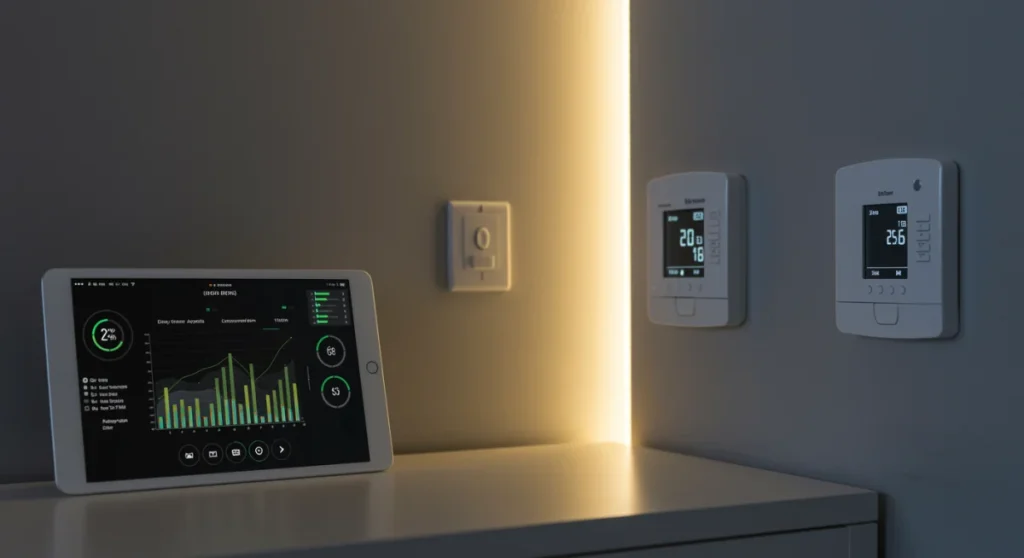
By 2026, integrating smart home energy savings gadgets can realistically cut household energy bills by 10%, offering significant financial returns and promoting environmental sustainability.
Are you looking to trim down your monthly expenses and contribute to a greener planet? The promise of smart home energy savings is no longer a futuristic fantasy but a tangible reality, offering a direct path to reducing your energy bills by a significant margin. By 2026, integrating just a few key smart gadgets into your home could lead to a remarkable 10% reduction in your energy consumption, translating into substantial financial benefits and a more sustainable lifestyle.
The evolving landscape of smart home energy efficiency
The concept of a smart home has evolved dramatically over the past decade, moving beyond mere convenience to become a powerful tool for energy management. What once seemed like luxury items are now accessible and practical solutions for everyday households aiming to optimize their energy usage and save money. This shift is driven by advancements in artificial intelligence, machine learning, and interconnected device ecosystems, making energy efficiency more intuitive and effective than ever before.
Consumers are increasingly aware of their environmental footprint and the rising cost of utilities. Smart home technology provides a proactive way to address both concerns. By automating routine tasks and providing real-time data, these systems empower homeowners to make informed decisions about their energy consumption, identifying waste and implementing solutions that directly impact their bottom line.
Understanding the financial impact
The financial incentives for adopting smart home energy solutions are compelling. While initial investments are required, the long-term savings often outweigh the upfront costs, making them a wise financial decision. Many utility companies even offer rebates or incentives for installing energy-efficient smart devices, further reducing the entry barrier.
- Reduced monthly utility bills
- Increased home value through modern upgrades
- Potential tax credits or rebates for energy-efficient installations
- Long-term savings that compound over time
Ultimately, investing in smart home technology for energy efficiency is not just about adopting new gadgets; it’s about making a strategic financial decision that pays dividends in both monetary savings and environmental responsibility.
Smart thermostats: the intelligent climate controller
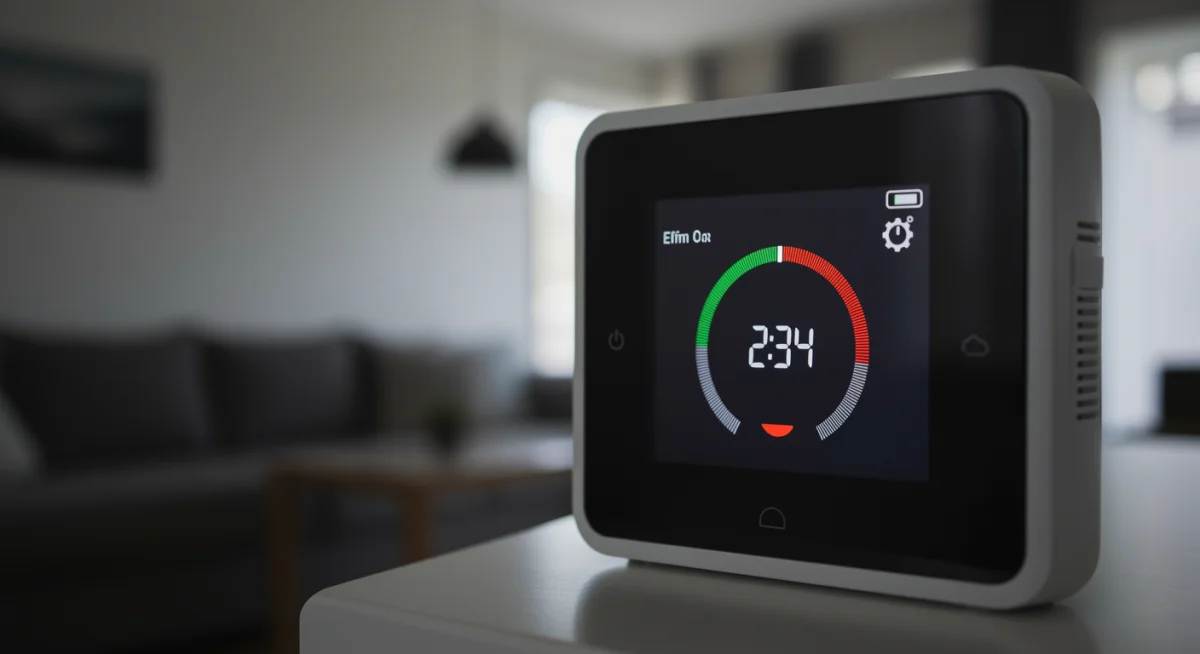
Among the pantheon of smart home gadgets, the smart thermostat stands out as a quintessential energy-saving champion. Unlike traditional thermostats that simply maintain a set temperature, smart versions learn your habits, adjust to external weather conditions, and can be controlled remotely, ensuring your home is only heated or cooled when necessary. This intelligent approach to climate control is a game-changer for energy conservation.
Modern smart thermostats integrate with other smart home systems, allowing for a holistic approach to energy management. They can detect when you’re away and automatically enter an energy-saving mode, or pre-cool/pre-heat your home before you arrive, optimizing comfort without wasting energy. The data insights they provide are invaluable, showing you exactly where your energy is going and how much you’re saving.
Key features driving savings
- Learning capabilities: Adapts to your schedule and preferences over time.
- Remote access: Control temperature from anywhere via a smartphone app.
- Zoned heating/cooling: Manages different temperatures in various zones of your home.
- Energy reports: Provides detailed insights into energy usage patterns.
The financial impact of a smart thermostat is often immediate and substantial. By fine-tuning your home’s climate control, you can avoid unnecessary energy expenditure during unoccupied hours or when outdoor temperatures are mild. Many users report recouping the cost of their smart thermostat within a year or two through energy bill reductions alone, making it a highly cost-effective upgrade.
Smart lighting systems: illuminating savings
Lighting accounts for a significant portion of household energy consumption, but smart lighting systems offer a brilliant solution to this long-standing problem. Moving beyond simple on/off switches, these systems allow for precise control over brightness, color, and scheduling, ensuring that light is only used when and where it’s needed. This level of granular control translates directly into substantial energy savings and reduced electricity bills.
The versatility of smart lighting extends to various scenarios, from ambient mood setting to practical task lighting. Integration with motion sensors means lights can automatically turn off in empty rooms, while daylight harvesting features adjust brightness based on natural light availability. These automated optimizations prevent wasteful energy use without requiring constant manual adjustment, making energy efficiency effortless.
Maximizing efficiency with smart bulbs and controls
- LED technology: Smart bulbs are predominantly LEDs, which are inherently more energy-efficient and longer-lasting than traditional incandescent bulbs.
- Dimming capabilities: Reducing brightness even slightly can lead to significant energy savings over time.
- Scheduling and automation: Set lights to turn on/off at specific times or react to other smart home triggers.
- Presence detection: Lights activate only when a room is occupied and turn off when it’s empty.
The financial benefits of smart lighting become apparent as you replace traditional bulbs with their smarter, more efficient counterparts. While the initial investment in smart bulbs might be higher, their extended lifespan and reduced energy consumption quickly offset the cost. Homeowners can expect to see a noticeable dip in their electricity bills, making smart lighting a bright choice for financial prudence.
Smart plugs and power strips: cutting phantom load
One of the silent culprits of wasted energy in many homes is the ‘phantom load’ – the electricity consumed by devices even when they are turned off or in standby mode. Smart plugs and power strips are ingeniously designed to combat this invisible drain, offering a simple yet highly effective way to cut down on energy waste and save money. By providing remote control and scheduling capabilities for individual outlets, these gadgets empower you to truly turn off devices that would otherwise continuously draw power.
These devices are incredibly versatile, capable of managing anything from entertainment systems and computer peripherals to kitchen appliances. With a smart plug, you can set schedules for devices to power down completely overnight or when you’re away, eliminating standby power consumption. Some smart power strips even feature energy monitoring, giving you a clear picture of how much power each connected device is using, thus highlighting areas for further optimization.
Eliminating hidden energy waste
The cumulative effect of phantom loads can be surprisingly high, adding up to a significant portion of your electricity bill over the year. Smart plugs and power strips offer a straightforward solution:
- Remote power control: Turn devices on or off from anywhere using your smartphone.
- Scheduling: Automate power cycles for devices to match your daily routines.
- Energy monitoring: Track real-time power consumption of plugged-in devices.
- Voice control integration: Conveniently manage power with voice commands through smart assistants.
The financial impact here is often underestimated. While individual phantom loads might seem small, their constant draw adds up. By strategically deploying smart plugs and power strips, homeowners can effectively eliminate this wasted energy, contributing to a noticeable reduction in their overall electricity expenses and helping them achieve their 10% energy saving goal by 2026.
Integrating smart gadgets for maximum impact
While each smart gadget offers individual energy-saving benefits, the true power of smart home automation lies in their integration. When smart thermostats, lighting systems, and plugs work in concert, they create a cohesive ecosystem that maximizes efficiency and convenience. This interconnectedness allows for more sophisticated automation routines and a deeper understanding of your home’s energy profile, pushing you closer to that 10% energy bill reduction target.
Consider a scenario where your smart thermostat communicates with your smart lighting: when you leave for work, the thermostat adjusts to an energy-saving temperature, and the lights automatically turn off. As you return, your geofencing-enabled system can begin to pre-cool or pre-heat your home and turn on select lights, ensuring comfort without waste. This level of intelligent coordination is where significant savings truly begin to accumulate.
Building a cohesive smart home ecosystem
Achieving optimal energy savings through integration involves:
- Choosing compatible devices: Ensure your gadgets can communicate with each other, often through a central hub or platform.
- Setting up automation routines: Create ‘if this, then that’ scenarios to manage energy use based on occupancy, time, or external conditions.
- Utilizing energy monitoring features: Leverage data from all devices to identify patterns and areas for improvement.
- Regular review and adjustment: Periodically check your system’s performance and adjust settings for continuous optimization.
The combined financial impact of an integrated smart home system is greater than the sum of its parts. By orchestrating your devices to work together seamlessly, you can achieve a level of energy efficiency that is difficult, if not impossible, with individual gadgets operating in isolation. This integrated approach is key to realizing significant financial savings in your energy bills by 2026.
The future of smart home energy savings and financial returns
Looking ahead to 2026 and beyond, the potential for smart home automation to drive energy savings and financial returns is only set to grow. As technology advances, we can expect even more sophisticated and intuitive devices that further optimize energy consumption. Artificial intelligence and machine learning will play an increasingly central role, allowing systems to predict energy needs with greater accuracy and respond to dynamic pricing from utility providers.
The trend towards greater interoperability between different brands and platforms will also simplify the integration process, making it easier for homeowners to build comprehensive and efficient smart home ecosystems. Furthermore, as renewable energy sources become more prevalent, smart homes will be able to intelligently manage energy storage and consumption, interacting with the grid in ways that maximize both savings and sustainability.
Anticipating future advancements
- Enhanced AI for predictive energy management, anticipating needs based on weather, occupancy, and even personal preferences.
- Wider adoption of energy storage solutions (e.g., home batteries) integrated with smart systems for optimized self-consumption of renewable energy.
- More intuitive user interfaces and voice control options for effortless management.
- Increased availability of smart appliances directly integrated into the energy management ecosystem.
The financial outlook for smart home adopters is bright. Not only will they continue to benefit from reduced energy bills, but their homes will also be better positioned to take advantage of future energy innovations, potentially leading to even greater savings and a more resilient, sustainable lifestyle. The journey towards a 10% reduction in energy bills by 2026 is just the beginning of a financially astute and environmentally conscious future.
| Key Gadget | Energy Saving Impact |
|---|---|
| Smart Thermostats | Optimizes HVAC usage by learning habits and remote control, reducing heating/cooling costs. |
| Smart Lighting Systems | Reduces electricity for lighting through scheduling, dimming, and motion detection. |
| Smart Plugs/Power Strips | Eliminates phantom load from electronics by cutting power to idle devices. |
| Integrated Systems | Synergistic effect of combined gadgets for enhanced overall energy efficiency. |
Frequently asked questions about smart home energy savings
While savings vary based on household size, existing energy habits, and gadget implementation, a 10% reduction in energy bills by 2026 is a highly achievable and conservative estimate for many homes adopting smart thermostats, lighting, and plugs. Some users report even higher savings.
Most modern smart home gadgets are designed for user-friendly installation, often requiring basic DIY skills or minimal professional assistance. Setup usually involves downloading an app and following on-screen instructions. Many brands offer extensive online support and tutorials to guide you through the process.
Phantom load, or vampire drain, refers to the electricity consumed by electronics when they are turned off but still plugged in. Smart plugs eliminate this waste by allowing you to remotely or automatically cut power to devices, ensuring they draw zero energy when not in active use.
While some smart home ecosystems benefit from a central hub for enhanced integration and automation, many individual smart gadgets (like certain smart bulbs or plugs) can operate independently using Wi-Fi and a dedicated app. For full system synergy, a hub is often recommended.
Yes, various federal, state, and local governments, as well as utility companies, offer rebates, tax credits, or other incentives for installing energy-efficient smart home devices. It’s advisable to check with your local utility provider and government websites for current programs in your area.
Conclusion
The journey towards a more energy-efficient and financially savvy home is well within reach, especially with the advancements in smart home automation. By strategically implementing just three key gadgets—smart thermostats, smart lighting systems, and smart plugs/power strips—homeowners can realistically expect to see a 10% reduction in their energy bills by 2026. This isn’t merely about adopting new technology; it’s about making informed choices that lead to tangible financial savings, increased comfort, and a significant contribution to environmental sustainability. The future of energy management is smart, accessible, and poised to deliver substantial returns for those who embrace it.