Sustainable Gadget Choices: Reduce E-Waste & Boost Savings

Making sustainable gadget choices is paramount for reducing electronic waste by 20% by 2026, leading to significant financial savings and a healthier planet.
Are you aware that your decisions about technology can have a profound impact on both the environment and your wallet? Embracing sustainable gadget choices is not just a trend; it’s a critical path to reducing electronic waste (e-waste) by 20% by 2026, with tangible financial benefits for consumers across the United States. Let’s explore how mindful tech consumption can lead to a more sustainable future and a healthier bank account.
Understanding the E-Waste Crisis and Its Costs
Electronic waste is a rapidly growing global problem, and the United States is a significant contributor. Discarded electronics often contain hazardous materials like lead, mercury, and cadmium, which can leach into soil and water, posing serious environmental and health risks. Beyond the environmental damage, managing e-waste carries substantial economic costs, from collection and transportation to processing and disposal. These costs are often passed on to consumers or borne by taxpayers.
The True Cost of Rapid Obsolescence
The tech industry’s rapid innovation cycle often encourages consumers to upgrade devices frequently, leading to what is known as planned obsolescence. This constant push for new models means older, still functional devices are prematurely discarded, fueling the e-waste crisis. The financial implication for consumers is a continuous cycle of spending on new gadgets, often before the full value of the previous purchase has been realized. This cycle not only depletes personal finances but also strains raw material resources and energy consumption for manufacturing.
- Hazardous Materials: E-waste contains toxic substances harmful to human health and the environment.
- Resource Depletion: Manufacturing new devices requires mining finite resources, impacting ecosystems.
- Disposal Costs: Proper e-waste recycling and disposal are expensive, often subsidized by public funds.
- Consumer Spending: Frequent upgrades lead to continuous, often unnecessary, financial outlay.
The environmental and financial burdens of e-waste are intertwined. By understanding these costs, consumers can make more informed decisions that prioritize sustainability and long-term savings. Moving towards more sustainable gadget choices is a strategic move, offering a compelling solution to mitigate both ecological degradation and economic inefficiencies.
Embracing Longevity: The Core of Sustainable Gadget Choices
One of the most impactful ways to make sustainable gadget choices is to prioritize device longevity. Instead of constantly seeking the newest model, consumers can opt for products designed for durability, repairability, and extended use. This shift in mindset from constant upgrading to prolonged usage has significant financial implications, saving money on frequent replacements and reducing the overall environmental footprint.
Investing in Durable Devices
When purchasing new electronics, look for brands known for their robust build quality and commitment to durability. While these devices might have a higher initial cost, their extended lifespan often results in lower total cost of ownership. Research product reviews and manufacturer specifications for indicators of durability, such as military-grade drop protection, water resistance, and high-quality construction materials. A device that lasts twice as long effectively halves its environmental impact per year of use and saves you from buying another device sooner.
Choosing gadgets with modular designs or easily replaceable components can also extend their life. For instance, some laptops allow for simple RAM or hard drive upgrades, postponing the need for an entirely new machine. This approach not only conserves resources but also empowers consumers with greater control over their technology’s lifespan and performance.
- Higher Upfront Cost, Lower Long-Term Cost: Durable devices save money over time.
- Reduced Replacement Frequency: Less frequent purchases mean fewer resources consumed.
- Enhanced Reliability: Quality construction often translates to better performance and fewer issues.
- Greater Control: Modular designs allow for personal upgrades and repairs.
Prioritizing longevity in gadget selection is a powerful strategy for both environmental stewardship and financial prudence. By investing in devices built to last, consumers actively contribute to reducing e-waste and enjoy greater value from their technology investments.
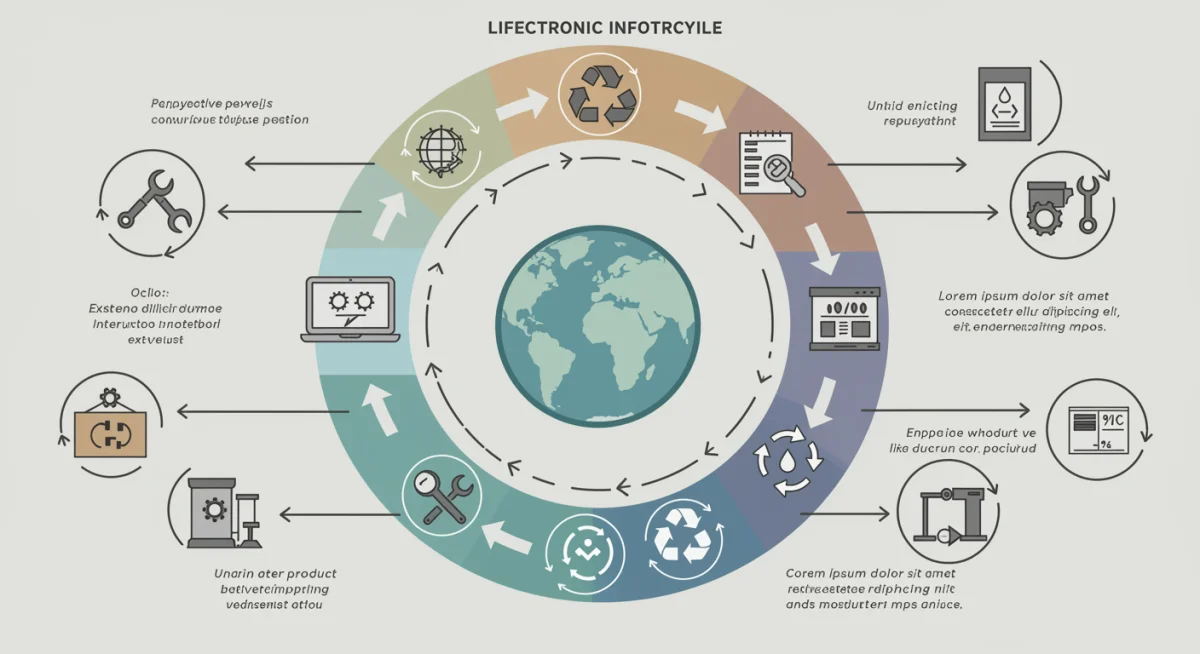
The Power of Repair: Extending Device Life and Saving Money
The ability to repair electronic devices is a cornerstone of sustainable gadget choices and a potent weapon against e-waste. Historically, many manufacturers made repairs difficult or expensive, pushing consumers towards new purchases. However, the growing ‘Right to Repair’ movement is advocating for easier access to parts, tools, and repair manuals, empowering users to fix their own electronics or seek independent repair services.
Benefits of Repair Over Replacement
Opting for repair when a gadget malfunctions can lead to significant financial savings compared to buying a brand-new device. Simple fixes, like replacing a cracked screen, a faulty battery, or a broken charging port, are often much cheaper than a full replacement. Beyond the direct cost savings, repairing devices prevents them from entering the waste stream prematurely, conserving the valuable resources embedded in their components.
Supporting local repair shops also stimulates local economies and creates jobs. As more consumers embrace repair, the demand for accessible parts and skilled technicians grows, fostering a more robust and sustainable tech ecosystem. This cultural shift away from disposability towards repairability is vital for achieving e-waste reduction targets.
- Cost-Effective: Repairing is often cheaper than buying new.
- Resource Conservation: Extends product life, reducing demand for new manufacturing.
- Skill Development: Supports local repair businesses and technical expertise.
- Reduced Carbon Footprint: Avoids the energy and emissions associated with new production.
Embracing repair as a primary option for malfunctioning gadgets is a practical and financially smart way to contribute to a more sustainable future. It empowers consumers, reduces waste, and fosters a circular economy approach to technology.
Responsible Disposal and Recycling: Minimizing Environmental Harm
Even with the best intentions for longevity and repair, electronic devices eventually reach the end of their useful life. At this point, making sustainable gadget choices means ensuring responsible disposal and recycling. Improper disposal of e-waste in landfills can release harmful toxins, while proper recycling allows valuable materials to be recovered and reused, reducing the need for new raw materials.
Finding Certified Recycling Programs
It is crucial to use certified e-waste recycling programs. These programs ensure that hazardous materials are handled safely and that recoverable components are processed efficiently. Many electronics retailers offer take-back programs for old devices, and local municipalities often host e-waste collection events or have designated drop-off points. Websites like Earth911 or the EPA provide resources for finding certified recyclers near you. Always verify that the recycler is certified (e.g., R2 or e-Stewards certified) to guarantee responsible practices.
Beyond recycling, consider donating or selling still-functional older devices. Organizations often refurbish and redistribute electronics to those in need, extending their life cycle and providing access to technology for underserved communities. This not only benefits others but also keeps devices out of landfills for longer, aligning perfectly with the goals of e-waste reduction.
- Prevent Pollution: Proper recycling prevents toxins from entering the environment.
- Resource Recovery: Valuable metals and plastics are reclaimed for new products.
- Data Security: Certified recyclers offer secure data destruction services.
- Community Support: Donating old devices helps bridge the digital divide.
Responsible disposal and recycling are the final, yet critical, steps in a sustainable gadget lifecycle. By actively seeking out and utilizing certified programs, consumers play a vital role in protecting the environment and promoting a circular economy for electronics.
The Financial Upside: Savings from Sustainable Tech Habits
Adopting sustainable gadget choices isn’t just about environmental responsibility; it’s also a powerful strategy for improving your personal finances. The shift away from constant upgrades and towards mindful consumption directly translates into significant savings over time. By extending the life of your devices, you avoid the recurring costs of new purchases, depreciation, and even some service fees.
Long-Term Financial Benefits
Consider the average cost of a new smartphone or laptop. By extending the lifespan of these devices by just one or two years, you can save hundreds, if not thousands, of dollars that would otherwise be spent on replacements. These savings can be redirected towards other financial goals, such as investments, debt reduction, or emergency funds. Furthermore, maintaining and repairing devices is almost always less expensive than buying new, especially for common issues like battery degradation or screen damage.
Another often overlooked financial benefit comes from reduced energy consumption. Newer devices are often more energy-efficient, but keeping an older, well-maintained device for longer avoids the energy expenditure associated with manufacturing a new one. The cumulative impact of these small financial decisions can be substantial, demonstrating that eco-conscious choices are also financially savvy choices.
- Reduced Purchase Frequency: Directly saves money on new device costs.
- Lower Depreciation: Spreads the initial cost over a longer period, improving value retention.
- Avoided Disposal Fees: Proper recycling can sometimes be free or low-cost, avoiding landfill charges.
- Potential Resale Value: Well-maintained older devices can still fetch a decent price, offsetting future purchases.
The financial incentives for sustainable tech habits are clear and compelling. By making deliberate choices to extend the life of your gadgets, you not only contribute to a healthier planet but also build a healthier financial future for yourself.
Government and Industry Roles in Promoting Sustainable Gadget Choices
While individual choices are crucial, achieving a 20% reduction in e-waste by 2026 also requires significant contributions from governments and the tech industry. Policies and corporate practices play a pivotal role in shaping the landscape of sustainable gadget choices, influencing everything from product design to end-of-life management.
Policy and Legislative Support
Governments can implement policies that encourage sustainability, such as ‘Right to Repair’ laws that mandate easier access to parts and repair information. Extended producer responsibility (EPR) laws hold manufacturers accountable for the entire lifecycle of their products, including recycling, incentivizing them to design more durable and recyclable devices. Tax incentives for sustainable manufacturing or consumer rebates for purchasing eco-friendly products can also drive change. These legislative efforts create a more level playing field for sustainable practices and prevent companies from externalizing environmental costs.
The industry, in turn, needs to embrace circular economy principles. This includes designing products that are easily disassembled, repaired, and recycled. Using recycled materials in manufacturing, reducing hazardous substances, and offering robust take-back programs are all critical steps. Companies that proactively adopt these practices not only contribute to a healthier planet but also build stronger brand loyalty among increasingly eco-conscious consumers. Transparency in product sustainability metrics, such as repairability scores and environmental impact reports, empowers consumers to make truly informed choices.
- Right to Repair: Mandates access to parts and repair information.
- Extended Producer Responsibility (EPR): Holds manufacturers accountable for product lifecycle.
- Eco-Design Principles: Products designed for durability, repairability, and recyclability.
- Transparency: Clear communication about product environmental impact.
Collaboration between government, industry, and consumers is essential to create an ecosystem where sustainable gadget choices are not just possible but are the preferred and most accessible option for everyone.
Practical Steps for Consumers: Making Informed Sustainable Choices
Making sustainable gadget choices might seem daunting, but even small, conscious decisions can collectively lead to significant impact, helping us reach the goal of reducing e-waste by 20% by 2026. Empowering yourself with information and adopting practical habits can make a real difference, both for the planet and your finances.
Before You Buy: Research and Consider
Before making any new tech purchase, ask yourself if you truly need a new device or if your current one can be repaired or upgraded. If a new purchase is necessary, research brands known for their commitment to sustainability. Look for products with modular designs, long-term software support, and favorable repairability scores (often found through independent reviews or organizations like iFixit). Consider refurbished devices from reputable sources; these often offer excellent value and extend the life of existing electronics.
During ownership, practice good device care. Use protective cases, avoid overcharging batteries, and keep software updated. These simple actions can significantly prolong the life of your gadgets. When it’s time to part ways with a device, explore options for selling or donating it before considering recycling. Only when a device is truly beyond use should certified recycling be the final step. By integrating these habits into your tech routine, you become a powerful agent of change.
- Assess Need: Do you really need a new device? Can your current one be fixed?
- Research Brands: Prioritize companies with strong sustainability commitments and repairability.
- Buy Refurbished: Opt for certified refurbished items to give devices a second life.
- Protect Your Devices: Use cases, screen protectors, and proper charging habits.
- Sell or Donate: Extend the life of functional devices through resale or donation.
By adopting these practical steps, consumers can effectively contribute to reducing e-waste, save money, and foster a more sustainable relationship with technology. Every informed choice counts towards a greener future.
| Key Aspect | Impact on E-Waste & Finances |
|---|---|
| Device Longevity | Reduces replacement frequency, saves purchase costs, lowers resource consumption. |
| Repairability | Extends device life, cheaper than buying new, supports circular economy. |
| Responsible Recycling | Prevents pollution, recovers valuable materials, ensures data security. |
| Informed Purchasing | Avoids unnecessary upgrades, aligns spending with values, supports ethical brands. |
Frequently Asked Questions About Sustainable Gadget Choices
E-waste, or electronic waste, refers to discarded electrical or electronic devices. It’s a major concern due to its rapid growth and the hazardous materials it contains, which can harm the environment and human health if not properly managed. It also represents a significant loss of valuable resources.
Extending gadget lifespan saves money by reducing the frequency of new purchases. Instead of buying a new device every two years, using one for four or five years means you avoid significant upfront costs, depreciation, and the time spent researching and setting up new electronics.
‘Right to Repair’ refers to proposed legislation that would require manufacturers to make parts, tools, and repair manuals available to consumers and independent repair shops. This would make it easier and more affordable for people to fix their own devices, promoting longevity and reducing e-waste.
You can find certified e-waste recycling programs through websites like Earth911 or the EPA’s recycling locator. Many electronics retailers also offer take-back programs. Always look for recyclers certified by R2 or e-Stewards to ensure responsible and environmentally sound processing of your old devices.
Yes, refurbished gadgets are an excellent sustainable choice. They extend the life of existing electronics, reducing the demand for new manufacturing and preventing devices from becoming e-waste prematurely. When buying refurbished, ensure you purchase from reputable sellers who offer warranties and proper testing.
Conclusion
The journey towards a 20% reduction in e-waste by 2026, coupled with positive financial impacts, is a collective effort driven by informed individual actions and supportive industry and government policies. By consciously making sustainable gadget choices—prioritizing longevity, embracing repair, and ensuring responsible disposal—consumers can significantly contribute to this ambitious goal. These choices not only protect our planet from harmful electronic waste but also empower individuals with greater financial control, transforming how we interact with technology for a more sustainable and prosperous future.