Metaverse Economy: 5 Untapped Revenue Streams for US Businesses by 2026
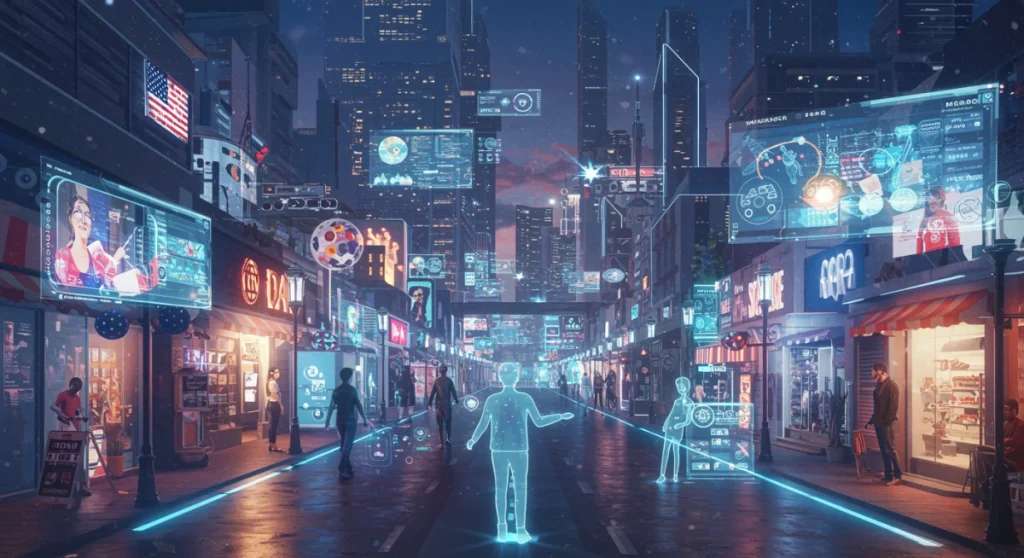
The metaverse offers significant opportunities for US businesses, with five untapped revenue streams by 2026 poised to revolutionize digital commerce, including virtual economies, digital assets, and immersive experiences for substantial growth.
The digital frontier is expanding at an unprecedented pace, and with it, the potential for new economic paradigms. For US businesses looking to stay ahead, understanding and leveraging metaverse revenue streams is no longer optional but essential. This deep dive explores five significant, yet largely untapped, revenue opportunities emerging in the metaverse that US businesses can capitalize on by 2026.
Understanding the metaverse economic landscape
The metaverse, often envisioned as a persistent, interconnected set of virtual spaces, is rapidly evolving beyond a mere gaming platform into a robust economic ecosystem. It’s a place where users can work, socialize, shop, and create, all within immersive digital environments. For US businesses, this signifies a paradigm shift from traditional e-commerce to experiential commerce, demanding new strategies for engagement and monetization.
The foundational elements of the metaverse economy include digital currencies, NFTs (Non-Fungible Tokens), and virtual real estate. These components enable true digital ownership and value transfer, creating a fertile ground for innovative business models. Early adopters are already seeing significant returns, demonstrating the viability and potential scale of this nascent market. However, many opportunities remain largely unexplored.
The shift to virtual ownership
One of the most critical aspects of the metaverse economy is the concept of true digital ownership. Unlike traditional online platforms where users often “rent” their digital goods, the metaverse, powered by blockchain technology, allows for verifiable ownership of virtual assets. This shift opens doors for entirely new markets.
- NFTs as property deeds: NFTs authenticate ownership of digital items, from art to virtual land.
- Decentralized marketplaces: Platforms facilitate secure buying, selling, and trading of digital assets without intermediaries.
- Creator economies: Artists and developers can directly monetize their creations, fostering a vibrant ecosystem.
This fundamental change in how digital goods are valued and transacted forms the bedrock upon which many of the upcoming revenue streams will be built. Businesses must adapt their understanding of value to include these new digital assets.
In conclusion, the metaverse is not just a technological advancement; it’s an economic revolution. US businesses that grasp its underlying principles and proactively seek out novel revenue channels will be best positioned for sustained growth in the coming years. The economic landscape is being redrawn, and understanding its contours is the first step toward successful navigation.
Virtual real estate development and leasing
Just as in the physical world, location matters in the metaverse. Virtual real estate – parcels of digital land within metaverse platforms – has seen explosive growth, with prices skyrocketing in prominent metaverses like Decentraland and The Sandbox. For US businesses, this presents a significant untapped revenue stream through development, leasing, and management of these digital properties.
Companies can acquire virtual land and develop it into commercial spaces, entertainment venues, or even residential areas. These developments can then be leased out to other businesses or individuals, generating recurring income. The demand for prime virtual locations is high, driven by brands seeking visibility and users looking for engaging experiences.
Designing and building virtual structures
Developing virtual real estate goes beyond simple acquisition; it involves architectural design, virtual construction, and user experience planning. This requires a blend of creative and technical skills, from 3D modeling to blockchain integration.
- Architectural services: Designing bespoke virtual buildings and environments for clients.
- Event venues: Creating virtual concert halls, conference centers, or art galleries for rent.
- Retail experiences: Developing immersive storefronts where users can browse and purchase digital or physical goods.
The potential for customization is endless, allowing businesses to create unique digital footprints that resonate with their brand identity and target audience. The value of these developments is directly tied to their utility and appeal within the metaverse.
Leasing models can vary, from short-term rentals for events to long-term agreements for persistent brand presence. US businesses can act as landlords, property managers, or even virtual city planners, shaping the digital urban sprawl. This revenue stream is particularly attractive due to its scalability and the ongoing appreciation of well-located and well-developed virtual properties. Early investment and strategic development in virtual real estate will yield substantial returns as the metaverse matures.
NFT-powered digital merchandise and collectibles
The rise of Non-Fungible Tokens (NFTs) has revolutionized digital ownership, creating a new class of digital assets that are unique and verifiable. For US businesses, this translates into an enormous opportunity to generate revenue through NFT-powered digital merchandise and collectibles. This extends far beyond digital art, encompassing everything from virtual fashion to in-game items and exclusive digital experiences.
Brands can leverage their intellectual property to create limited-edition NFTs that fans can collect, trade, and display in the metaverse. These digital assets often come with utility, such as access to exclusive content, discounts, or special in-metaverse perks, enhancing their value and desirability.

Creating exclusive virtual apparel
Virtual fashion is a burgeoning industry within the metaverse. Users want to express their identity through their avatars, and digital clothing provides a limitless canvas for creativity. Brands can design and sell unique virtual garments, accessories, and even entire collections as NFTs.
- Luxury digital fashion: High-end brands can create exclusive, scarce digital outfits.
- Wearable NFTs: Avatars can wear these digital items across different metaverse platforms.
- Co-creation opportunities: Collaborating with digital artists or users to design new collections.
The beauty of virtual fashion lies in its lack of physical constraints, allowing for designs that would be impossible in the real world. This opens up new avenues for creativity and brand expression, attracting a younger, digitally native audience.
Beyond fashion, businesses can explore other forms of NFT collectibles, such as digital trading cards, virtual pets, or unique in-game assets that provide a competitive advantage or aesthetic appeal. The key is to create items that resonate with the metaverse community and offer tangible or experiential value. The secondary market for these NFTs also represents a significant revenue stream, as businesses can earn royalties on subsequent sales. By embracing NFT-powered digital merchandise, US businesses can tap into a passionate and growing market of digital collectors and enthusiasts.
Immersive advertising and brand experiences
Traditional advertising models are being reimagined within the metaverse. Instead of static ads, businesses can create fully immersive and interactive brand experiences that engage users on a deeper level. This represents a powerful untapped revenue stream for US businesses looking to connect with consumers in novel and memorable ways.
Imagine a virtual storefront where customers can explore products in 3D, try on virtual clothing with their avatars, or even interact with AI-powered brand ambassadors. These experiences go beyond mere product display; they build brand loyalty and foster community engagement.
Interactive brand activations
Metaverse advertising isn’t just about placing billboards in virtual worlds; it’s about creating destinations and moments. Brands can host virtual events, concerts, product launches, or even educational workshops within the metaverse.
- Virtual product launches: Introducing new products in an immersive, interactive environment.
- Sponsored metaverse events: Hosting concerts, festivals, or fashion shows with brand integration.
- Play-to-earn marketing: Integrating brand messages into games where users earn rewards.
These activations allow consumers to directly engage with a brand’s narrative and offerings, transforming passive viewing into active participation. The data collected from these interactions can also provide invaluable insights into consumer behavior and preferences.
Another aspect is programmatic advertising within the metaverse, where AI-driven systems can deliver highly targeted ads based on avatar behavior, preferences, and virtual location. This allows for hyper-personalized marketing campaigns that are far more effective than their traditional counterparts. By investing in immersive advertising and brand experiences, US businesses can cultivate stronger relationships with their audience and unlock significant advertising revenue potential in the metaverse.
Metaverse education and upskilling platforms
As the metaverse grows, so does the demand for specialized skills and knowledge to navigate and build within it. This creates a significant, yet largely untapped, revenue stream for US businesses in the form of metaverse education and upskilling platforms. From learning how to code smart contracts to designing 3D assets or managing virtual economies, the educational needs are immense.
Companies can develop and offer courses, certifications, and workshops tailored to individuals and businesses eager to enter or expand their presence in the metaverse. This could involve virtual classrooms, interactive simulations, and hands-on projects within metaverse environments.
Training for virtual creators and developers
The metaverse requires a new generation of creators and developers. Businesses can provide the training necessary to fill these roles, from introductory courses to advanced specialization.
- 3D asset creation: Teaching tools like Blender or Unity for metaverse content.
- Blockchain development: Courses on smart contract programming and NFT creation.
- Metaverse ethics and security: Essential training for responsible digital citizenship.
These platforms can cater to a diverse audience, from individual enthusiasts looking to build their own virtual spaces to corporate teams seeking to integrate metaverse strategies into their operations. The demand for such expertise is only going to grow, making this a highly sustainable revenue model.
Furthermore, businesses can partner with existing educational institutions or metaverse platforms to offer accredited programs, enhancing their credibility and reach. The ability to provide practical, relevant skills for the metaverse economy positions US businesses as thought leaders and essential enablers of this new digital era. This revenue stream not only generates income but also contributes to the overall growth and development of the metaverse ecosystem, creating a positive feedback loop.
Decentralized autonomous organizations (DAOs) and governance services
The metaverse is increasingly moving towards decentralization, with many platforms and projects governed by Decentralized Autonomous Organizations (DAOs). DAOs represent a new form of organizational structure, where decisions are made by token holders rather than a central authority. For US businesses, offering DAO-related services presents an innovative and largely untapped revenue stream by 2026.
This includes consulting on DAO formation, developing governance frameworks, building tools for transparent decision-making, and even participating in DAO treasuries. As more metaverse projects adopt DAO structures, the need for expertise in this area will surge.
Facilitating decentralized governance
Helping new metaverse projects establish robust and fair DAO structures is a critical service. This involves legal, technical, and community-building expertise.
- DAO setup and legal compliance: Guiding projects through the complexities of decentralized governance.
- Voting platform development: Creating secure and transparent systems for token holders to vote on proposals.
- Community management: Helping DAOs foster active and engaged communities.
Businesses can act as advisors, developers, or even auditors for DAOs, ensuring their smooth operation and adherence to their stated principles. The trust and transparency inherent in DAOs are paramount, and businesses that can provide these assurances will be highly valued.
Moreover, US businesses can participate in DAOs themselves, acquiring governance tokens and actively shaping the future of various metaverse platforms. This not only provides potential financial returns from treasury growth but also offers influence over the direction of the metaverse. By specializing in DAO and governance services, US businesses can position themselves at the forefront of the decentralized metaverse economy, offering essential infrastructure and expertise to a rapidly evolving landscape. This revenue stream capitalizes on the foundational shift towards community-led development and ownership within digital worlds.
| Revenue Stream | Brief Description |
|---|---|
| Virtual Real Estate | Developing, leasing, and managing digital land and properties in metaverse platforms. |
| NFT Digital Merchandise | Creating and selling unique digital collectibles, fashion, and in-game items as NFTs. |
| Immersive Advertising | Designing interactive brand experiences and targeted ads within metaverse environments. |
| Metaverse Education | Offering courses and training for metaverse development, design, and economic participation. |
Frequently Asked Questions About Metaverse Revenue
The metaverse economy refers to the interconnected virtual spaces where users can interact, create, own, and trade digital assets and services. It’s built on technologies like blockchain and NFTs, enabling verified digital ownership and new forms of commerce, extending beyond traditional online interactions.
Early adoption allows US businesses to establish a strong presence, innovate, and capture market share before mainstream saturation. It offers unique opportunities for brand building, customer engagement, and diversification of income through novel digital products and services, staying competitive in a rapidly evolving digital landscape.
Like any investment, virtual real estate carries risks. Its value is influenced by platform popularity, utility, and broader metaverse adoption. While it offers high growth potential, it’s essential to conduct thorough research, understand the specific metaverse platform, and consider market volatility before investing in digital land.
NFTs provide businesses with a new way to create unique, verifiable digital assets. They can be used for digital merchandise, exclusive access tokens, loyalty programs, or to represent ownership of virtual goods, fostering customer engagement, generating new revenue, and enhancing brand value through scarcity and digital utility.
DAOs provide decentralized governance for metaverse projects, allowing token holders to vote on key decisions. They ensure transparency and community ownership, fostering trust and engagement. Businesses can offer services to help establish and manage DAOs, or participate in them to influence platform development and benefit from collective growth.
Conclusion
The metaverse is not a distant dream but a rapidly materializing reality, offering a fertile ground for innovation and significant economic growth. For US businesses, identifying and strategically investing in these five untapped metaverse revenue streams by 2026 – virtual real estate, NFT-powered merchandise, immersive advertising, metaverse education, and DAO services – is crucial. These avenues promise not only new income opportunities but also a chance to redefine brand-consumer relationships and lead in the next wave of digital transformation. The time to explore and act is now, shaping the future of commerce in a truly immersive digital world.