Future-Proof Your Tech: 4 Gadgets to Upgrade Before 2027
Staying ahead in the digital age necessitates understanding which technological advancements are critical and require immediate upgrades to ensure devices remain relevant and efficient beyond 2027.
In our rapidly evolving digital world, staying current with technology isn’t just about convenience; it’s about necessity. The pace of innovation means that what’s cutting-edge today can become obsolete tomorrow. To truly achieve a future-proof tech upgrade, it’s crucial to identify and invest in the right gadgets now, especially with the year 2027 looming as a significant benchmark for technological shifts. This guide will walk you through four essential gadgets you need to consider upgrading to ensure your digital life remains seamless and efficient.
The Accelerating Pace of Technological Obsolescence
Understanding why upgrading your tech is more critical than ever involves recognizing the relentless march of technological progress. Every few years, new standards, capabilities, and security protocols emerge that render older devices less efficient, less secure, or simply incompatible with modern applications and services. This isn’t merely about having the latest model; it’s about maintaining functionality and access in an increasingly interconnected world.
The concept of planned obsolescence, while controversial, plays a role, but more often, it’s genuine innovation that drives these cycles. New chip architectures, advanced communication protocols, and sophisticated software demand hardware that can keep up. Ignoring these shifts can lead to frustrating performance bottlenecks, security vulnerabilities, and ultimately, a diminished user experience.
The Impact of 5G and Wi-Fi 6E
Connectivity is the backbone of modern tech. The widespread adoption of 5G and the emergence of Wi-Fi 6E are transforming how devices communicate. Older devices simply cannot harness the full potential of these networks, leading to slower downloads, increased latency, and a less responsive online experience.
- 5G Networks: Offer significantly faster speeds and lower latency, crucial for cloud computing, advanced gaming, and real-time data processing.
- Wi-Fi 6E: Expands Wi-Fi to the 6 GHz band, providing dedicated, interference-free channels for compatible devices, dramatically improving local network performance.
- Legacy Device Limitations: Devices without 5G or Wi-Fi 6E capabilities will increasingly struggle to keep up with data-intensive tasks and applications.
These connectivity enhancements are not just about speed; they enable entirely new categories of applications and services. From augmented reality (AR) experiences to seamless smart home integration, the future of tech relies heavily on robust, high-speed connections. Therefore, ensuring your primary devices are equipped to handle these standards is a foundational step in future-proofing.
The shift towards more powerful and efficient connectivity standards is a clear indicator that devices lacking these capabilities will soon fall behind. Investing in gadgets that support 5G and Wi-Fi 6E now is a proactive measure to ensure long-term relevance and performance in your digital ecosystem.
Gadget 1: AI-Powered Smartphones
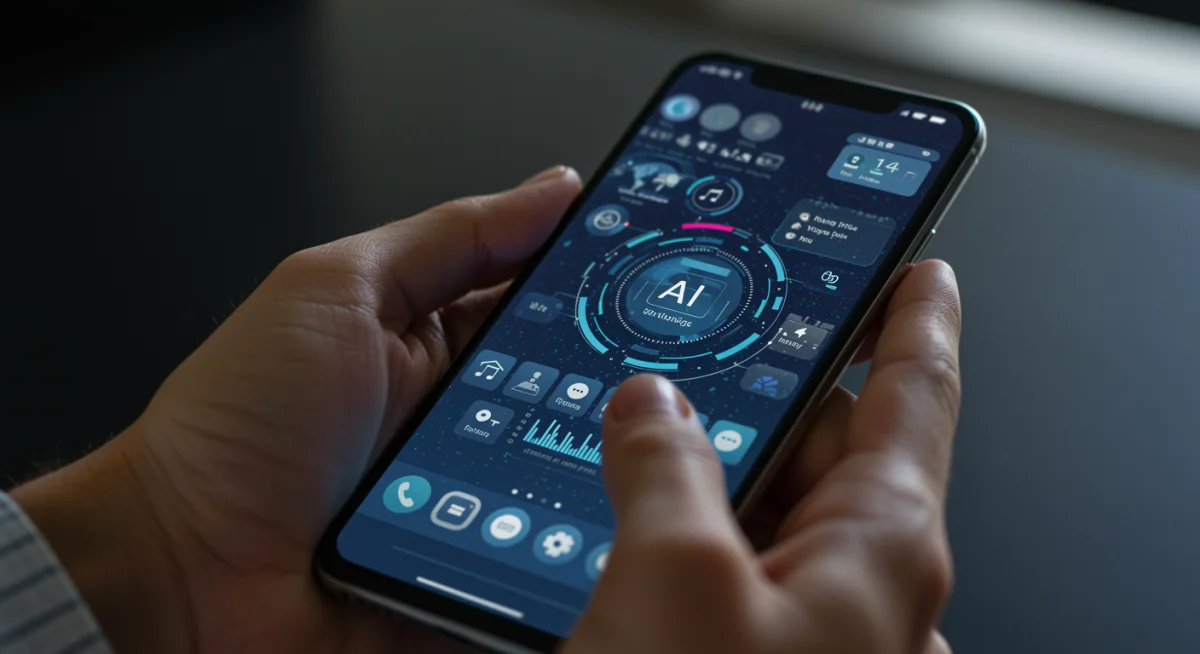
The smartphone has evolved far beyond a communication device; it’s a personal assistant, a powerful camera, and a gateway to countless services. With the rapid advancements in Artificial Intelligence (AI), the next generation of smartphones is set to redefine user interaction and capabilities. Upgrading to an AI-powered smartphone before 2027 is paramount for leveraging these transformative features.
Current flagship phones already integrate AI for tasks like image processing, battery optimization, and predictive text. However, the future holds much more. On-device AI processing will enable hyper-personalized experiences, enhanced security, and seamless integration with other smart devices, all without constant cloud reliance. This shift promises greater privacy and faster response times for AI-driven features.
Why AI Integration is Crucial
AI is moving from the cloud to the edge, directly into our devices. This transition means that your phone will become even smarter, capable of understanding context, anticipating needs, and performing complex tasks locally. This isn’t just a minor improvement; it’s a fundamental change in how we interact with our technology.
- Enhanced Personalization: AI will learn your habits and preferences to offer truly bespoke experiences, from scheduling to content recommendations.
- Advanced Photography: Computational photography, already impressive, will reach new heights with AI, offering unparalleled image quality and editing capabilities.
- Seamless Multitasking: AI will intelligently manage resources, ensuring smooth transitions between apps and optimizing performance for demanding tasks.
- Improved Security: On-device AI can enhance biometric authentication and detect suspicious activity more effectively, protecting your data.
The benefits of an AI-powered smartphone extend beyond mere convenience. They represent a leap in efficiency, security, and personalized interaction that older models simply cannot replicate. As AI becomes more deeply embedded in our daily digital lives, having a device capable of fully utilizing these advancements will be essential.
Therefore, considering an upgrade to a smartphone with robust AI capabilities is not just about keeping up with trends; it’s about investing in a device that will be capable of handling the complex demands of future applications and services, making your daily digital interactions smoother and more intelligent.
Gadget 2: Extended Reality (XR) Headsets
Extended Reality (XR), encompassing Virtual Reality (VR), Augmented Reality (AR), and Mixed Reality (MR), is no longer a niche concept. It’s rapidly maturing, with significant investments from major tech companies signaling its inevitable mainstream adoption. Before 2027, XR headsets are poised to become a transformative tool for entertainment, productivity, and communication.
While early VR headsets were often bulky and expensive, current iterations are becoming more ergonomic, powerful, and affordable. The future promises even more sophisticated devices that blur the lines between the physical and digital worlds, offering immersive experiences that traditional screens cannot match. These headsets will redefine how we work, play, and connect.
The Rise of the Metaverse and Spatial Computing
The concept of the metaverse, while still evolving, relies heavily on XR technologies. These headsets are the primary gateway to spatial computing, allowing users to interact with digital content in a three-dimensional space, rather than just on a flat screen. This paradigm shift will impact everything from remote work collaboration to educational experiences.
- Immersive Entertainment: Beyond gaming, XR offers live concerts, interactive storytelling, and virtual travel experiences that are incredibly realistic.
- Productivity Tools: Imagine a virtually infinite workspace with multiple monitors, or collaborating with colleagues in a shared virtual environment from anywhere in the world.
- Educational Applications: XR can provide hands-on learning experiences, from dissecting virtual organs to exploring ancient civilizations.
- Social Interaction: Connect with friends and family in virtual spaces, experiencing a sense of presence that video calls cannot replicate.
The investment in XR is not just speculative; it’s a strategic move by tech giants to define the next computing platform. Owning a capable XR headset will grant you access to this emerging digital frontier, making it a critical upgrade for anyone looking to stay at the forefront of technological innovation.
As the metaverse and spatial computing gain traction, the utility and necessity of XR headsets will grow exponentially. Ensuring you have a modern, capable headset will allow you to participate fully in these emerging digital ecosystems, making it a strategic upgrade for future relevance.
Gadget 3: Next-Gen Wearable Health Monitors
Wearable technology has moved beyond simple step counting. The next generation of health monitors is integrating advanced sensors and AI to provide truly comprehensive and proactive health insights. Before 2027, these devices will become indispensable tools for personal well-being, offering capabilities that could genuinely transform preventative healthcare.
Current smartwatches can track heart rate, sleep patterns, and even perform ECGs. Future wearables, however, are expected to incorporate non-invasive glucose monitoring, continuous blood pressure tracking, and even early detection of certain health conditions through sophisticated biomarker analysis. These advancements promise to put powerful health data directly into the hands of users.
Proactive Health Management
The real power of next-gen wearables lies in their ability to offer proactive health management. Instead of reacting to symptoms, these devices can provide early warnings, identify trends, and offer personalized recommendations to maintain optimal health. This shift from reactive to proactive care has immense potential to improve quality of life and reduce healthcare costs.
- Continuous Biometric Tracking: Beyond heart rate, expect continuous monitoring of blood oxygen, temperature, and even stress levels with greater accuracy.
- Predictive Analytics: AI will analyze your health data to predict potential issues before they become serious, allowing for timely interventions.
- Personalized Coaching: Receive tailored advice on exercise, nutrition, and sleep based on your unique physiological data and goals.
- Integration with Healthcare: Seamlessly share data with healthcare providers, enabling more informed diagnoses and treatment plans.
These advanced health monitors are not just gadgets; they are personal health guardians. Investing in one before 2027 means taking a significant step towards better understanding and managing your own health, leveraging technology to live a healthier, more informed life.
The evolution of wearable health monitors represents a significant leap in personal healthcare. Upgrading to a device that offers advanced, proactive health insights will empower you to take greater control of your well-being, making it a valuable and future-oriented investment.
Gadget 4: Quantum-Resistant Storage Solutions
While not as glamorous as AI smartphones or XR headsets, the need for quantum-resistant storage solutions is a critical, albeit often overlooked, aspect of future-proofing your tech. As quantum computing advances, current encryption methods will become vulnerable, posing a severe threat to data security. Upgrading to storage solutions that employ quantum-resistant cryptography is a vital step before 2027.
The threat of quantum computers breaking traditional encryption is not immediate, but it is a widely acknowledged future risk. Governments and major corporations are already investing in post-quantum cryptography (PQC) research. As these new standards emerge, ensuring your sensitive data is protected by such methods will be non-negotiable.
Securing Your Data Against Future Threats
The implications of quantum computing for data security are profound. Every piece of encrypted data today, from personal photos to financial records, could theoretically be vulnerable once sufficiently powerful quantum computers exist. Adopting quantum-resistant storage now is a forward-thinking strategy to protect your digital assets.
- Post-Quantum Cryptography (PQC): New cryptographic algorithms designed to withstand attacks from quantum computers.
- Hardware Security Modules (HSMs): Devices that generate and protect cryptographic keys, increasingly incorporating PQC standards.
- Secure Cloud Storage: Cloud providers are beginning to offer PQC-protected storage options for enhanced data security.
- Data Integrity: Beyond confidentiality, PQC also ensures the integrity and authenticity of your data against quantum-enabled alterations.
This isn’t about fear-mongering; it’s about pragmatic risk management. The transition to quantum-resistant encryption will be a gradual but essential process. By upgrading your storage solutions to those incorporating PQC standards, you are actively safeguarding your most valuable digital information against future, inevitable threats.
Protecting your data from future quantum threats is a critical, proactive measure. Investing in quantum-resistant storage solutions, even if the threat seems distant, is a wise decision to secure your digital legacy and maintain peace of mind in an evolving cybersecurity landscape.
The Strategic Importance of Timely Tech Upgrades
Making timely tech upgrades isn’t just about owning the latest and greatest; it’s a strategic decision that impacts your productivity, security, and overall digital experience. The four gadgets discussed—AI-powered smartphones, XR headsets, next-gen wearable health monitors, and quantum-resistant storage solutions—represent key areas where significant advancements are converging, making them prime candidates for an upgrade before 2027.
Ignoring these trends can lead to a gradual degradation of your digital life. Obsolete devices can become security risks, lose compatibility with essential software, and simply fail to provide the efficiency and convenience that modern technology offers. Proactive upgrading ensures you remain at the forefront, ready to leverage new opportunities and capabilities as they emerge.
Planning Your Upgrade Path
A thoughtful approach to upgrading involves assessing your current needs, anticipating future requirements, and researching products that align with the technological trajectory towards 2027. This isn’t about replacing everything at once, but rather prioritizing the devices that will offer the most significant impact and long-term value.
- Assess Current Devices: Identify which of your existing gadgets are nearing the end of their functional or secure life cycle.
- Research Future Trends: Stay informed about upcoming technologies and industry standards that will shape the next few years.
- Prioritize Needs: Determine which upgrades will offer the most immediate and long-term benefits for your personal or professional life.
- Consider Longevity: Look for products that offer robust features, strong manufacturer support, and a clear upgrade path for future compatibility.
By carefully planning your tech upgrades, you can avoid reactive purchases and make informed decisions that genuinely future-proof your digital ecosystem. This strategic foresight will save you time, money, and frustration in the long run, ensuring a seamless and secure digital experience for years to come.
Ultimately, making informed and timely tech upgrades is an investment in your future. By focusing on devices that are aligned with upcoming technological shifts, you ensure that your digital tools remain powerful, secure, and relevant, ready to tackle the challenges and opportunities of tomorrow’s world.
| Key Gadget Upgrade | Why Upgrade Before 2027 |
|---|---|
| AI-Powered Smartphones | Leverage on-device AI for enhanced personalization, advanced photography, and seamless multitasking. |
| Extended Reality (XR) Headsets | Access the emerging metaverse and spatial computing for immersive entertainment and productivity. |
| Next-Gen Wearable Health Monitors | Gain proactive health management with continuous biometric tracking and predictive analytics. |
| Quantum-Resistant Storage | Protect sensitive data from future threats posed by advanced quantum computing capabilities. |
Frequently Asked Questions About Tech Upgrades
2027 is often cited as a critical year due to the projected widespread adoption of new technological standards like advanced AI, 5G, Wi-Fi 6E, and the continued maturation of XR. Devices not supporting these standards may experience significant performance degradation and compatibility issues, making them less useful in the evolving digital landscape.
Future AI-powered smartphones will feature more robust on-device AI processing. This means greater personalization, enhanced security through local data processing, superior computational photography, and more efficient resource management. They will be less reliant on cloud processing for many AI functions, leading to faster and more private experiences.
Major tech companies are investing heavily in XR, signaling a strong belief in its mainstream future. While adoption is still growing, improvements in hardware, content, and application diversity suggest XR will become a significant platform for work, entertainment, and social interaction, similar to how smartphones revolutionized computing.
Quantum-resistant storage uses new cryptographic algorithms designed to protect data from attacks by future quantum computers, which could potentially break current encryption methods. You need it to safeguard your sensitive information from these anticipated threats, ensuring long-term data security as quantum computing capabilities advance.
Effective planning involves prioritizing upgrades based on your personal and professional needs. Focus on devices that offer the most significant impact and longevity. Research future trends, compare products, and consider refurbished options or waiting for sales. A phased approach, replacing one or two key devices at a time, can also help manage costs.
Conclusion: Embracing the Future of Technology
The journey to future-proof your tech is an ongoing one, but with key milestones like 2027 on the horizon, certain upgrades become particularly pressing. By strategically investing in AI-powered smartphones, advanced XR headsets, next-gen wearable health monitors, and quantum-resistant storage solutions, you are not just acquiring new gadgets; you are securing your place in the evolving digital landscape. These upgrades ensure you remain connected, productive, secure, and healthy, ready to embrace the innovations that tomorrow will bring. Stay informed, upgrade wisely, and keep your digital life vibrant and resilient.