Next-Gen E-Readers: 2026 Innovations for Enhanced Digital Reading
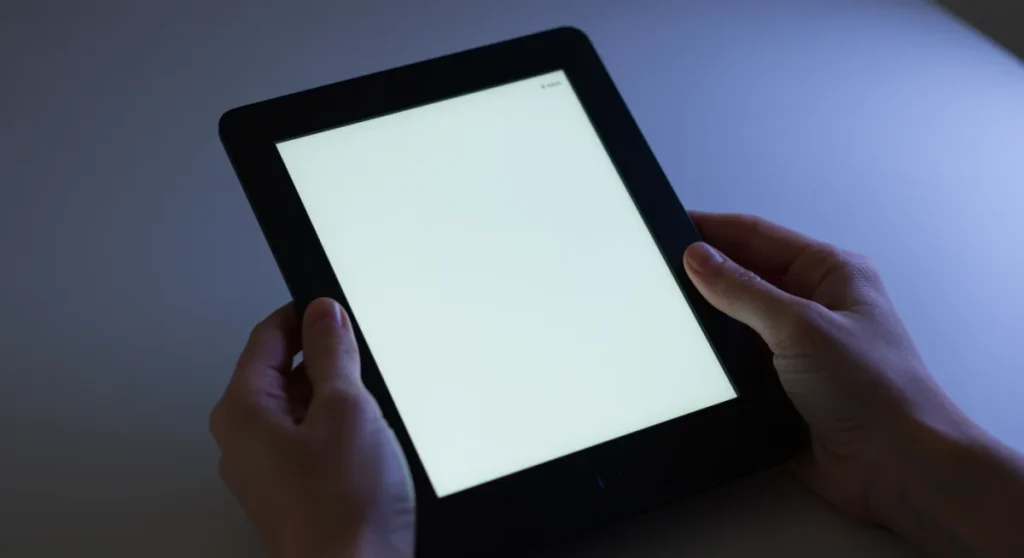
Next-gen e-readers in 2026 are poised to redefine digital reading through innovative display technologies, AI-powered personalization, and sustainable design, offering unparalleled immersive and comfortable experiences for users.
The world of digital reading is on the cusp of a significant transformation, with next-gen e-readers promising to revolutionize how we interact with books, articles, and documents. As we look towards 2026, the advancements are not merely incremental; they represent a leap forward in display technology, user experience, and environmental consciousness. Get ready to discover how these devices are set to enhance your digital reading experience.
Revolutionary Display Technologies: Beyond E-Ink
For years, E-Ink has been the cornerstone of e-reader technology, lauded for its paper-like appearance and low power consumption. However, 2026 is ushering in a new era of display innovations that go far beyond the traditional grayscale. Manufacturers are now integrating advanced color E-Ink, flexible screens, and even haptic feedback displays to create a more immersive and versatile reading environment.
These new displays aim to bridge the gap between digital and physical reading, offering vibrant colors for graphic novels, textbooks, and magazines, while maintaining the eye-friendly properties of E-Ink. The goal is to provide a reading experience that is not only comfortable for extended periods but also visually engaging for a wider range of content.
Color E-Ink Evolution
The progression of color E-Ink technology is perhaps the most anticipated development. Early versions presented muted colors, but by 2026, we expect:
- Vibrant color saturation comparable to traditional tablets.
- Faster refresh rates for smoother page turns and animations.
- Improved contrast ratios for sharper text and images.
This leap means that graphic novels, children’s books, and educational materials will come alive on e-readers, making them truly versatile devices for all types of readers.
Flexible and Durable Screens
Another exciting innovation is the rise of flexible and more durable screens. Imagine an e-reader that can withstand accidental drops or even be rolled up for easy portability. These advancements are not just about convenience; they also enhance the longevity of the device, reducing the need for frequent replacements. The integration of advanced protective layers means less glare and better outdoor readability, further improving the user experience.
The convergence of these display technologies will redefine what users expect from an e-reader, moving them beyond simple text consumption to a rich, multimedia reading experience that prioritizes visual comfort and versatility.
AI and Personalization: A Smarter Reading Companion
Artificial Intelligence (AI) is no longer a futuristic concept; it’s rapidly becoming an integral part of our daily tech, and e-readers are no exception. By 2026, AI integration in e-readers will transform them into intelligent companions, offering highly personalized reading experiences that adapt to individual preferences and habits. This goes beyond simple recommendations, delving into adaptive learning and content curation.
Imagine an e-reader that understands your reading speed, preferred genres, and even your mood, then adjusts font sizes, lighting, and even suggests related content or background music to enhance your focus. This level of personalization aims to make every reading session uniquely optimized for the user.
Adaptive Reading Features
AI will power several adaptive features, including:
- Dynamic Text Adjustment: Automatically changing font size, line spacing, and margin based on ambient light and user eye strain.
- Reading Pace Tracking: Providing insights into reading speed and suggesting exercises to improve comprehension or speed.
- Personalized Content Curation: Recommending books, articles, or even academic papers based on past reading history, current interests, and learning goals.
These features will evolve e-readers from static content displayers to dynamic, responsive tools that actively support and enhance the reading process.

Furthermore, AI will facilitate more intuitive interaction with the text. Voice commands for navigation, dictionary lookups, and even note-taking will become standard. Advanced natural language processing will allow e-readers to summarize complex passages, translate foreign texts in real-time, and even generate personalized quizzes about the content, catering to students and lifelong learners.
The role of AI in next-gen e-readers is to create a seamless, intelligent, and deeply personal reading environment that anticipates user needs and actively contributes to a richer understanding and enjoyment of content.
Enhanced Interactivity and Multimodality
The e-reader of 2026 will be far more interactive than its predecessors, moving beyond passive consumption to active engagement. Multimodality will be key, blending text with audio, video, and even augmented reality (AR) elements to create a truly rich and immersive experience. This shift is particularly beneficial for educational content, travel guides, and interactive fiction.
Imagine reading a historical novel and being able to tap on a location to see a 3D AR reconstruction of a historical building, or listening to the author narrate a particularly poignant passage. These interactive layers will deepen comprehension and make reading a more dynamic activity.
Augmented Reality Integration
AR capabilities will allow readers to:
- Visualize 3D models of objects described in textbooks.
- Explore virtual maps and historical sites directly from a travel guide.
- Interact with characters or scenes in augmented reality within fiction.
This technology transforms static images and descriptions into vibrant, explorable experiences, blurring the lines between reading and interactive exploration.
Seamless Audio Integration
Beyond AR, integrated high-quality audio will be standard. This includes not just audiobooks, but also text-to-speech with natural-sounding voices, background ambient sounds tailored to the book’s setting, and even author commentary tracks. The ability to seamlessly switch between reading text and listening to audio will cater to different learning styles and situations, such as commuting or exercising.
These multimodal features aim to provide a holistic reading experience, engaging multiple senses and offering diverse ways to interact with content, making reading more accessible and enjoyable for a wider audience.
Sustainability and Ethical Design: Eco-Conscious Reading
As technological advancements accelerate, so does the awareness of environmental impact. Next-gen e-readers in 2026 are being designed with a strong emphasis on sustainability and ethical manufacturing. This includes using recycled and responsibly sourced materials, designing for longevity and repairability, and minimizing energy consumption throughout the device’s lifecycle.
Consumers are increasingly demanding eco-friendly products, and e-reader manufacturers are responding by integrating sustainable practices into their core design philosophies. This commitment extends beyond just the hardware, encompassing software updates that prolong device relevance and accessible repair services.
Eco-Friendly Materials and Manufacturing
Key sustainable practices include:
- Utilizing recycled plastics and metals in device casings.
- Sourcing rare earth minerals ethically and responsibly.
- Employing manufacturing processes that reduce waste and carbon footprint.
The goal is to create devices that are not only high-performing but also leave a minimal environmental footprint, aligning with global efforts towards a greener future.
Longevity and Repairability
Designing for longevity means creating e-readers that are built to last, with robust components and easily replaceable parts. This contrasts with the prevalent culture of planned obsolescence. Manufacturers are also providing:
- Modular designs for easier component replacement.
- Long-term software support and updates.
- Access to repair guides and spare parts for users.
This focus on durability and repairability empowers users to extend the life of their devices, reducing electronic waste and promoting a more sustainable approach to technology consumption. Ethical design also covers fair labor practices and transparent supply chains, ensuring that the entire lifecycle of the e-reader is responsible.
Connectivity and Ecosystem Integration
The e-reader of 2026 won’t be a standalone device; it will be a seamlessly integrated part of a larger digital ecosystem. Enhanced connectivity, including faster Wi-Fi 6E and 5G capabilities, will enable instant access to vast libraries, cloud services, and collaborative reading platforms. This means immediate downloads, real-time syncing across devices, and effortless sharing of notes and highlights.
The emphasis is on creating a fluid reading experience that transcends individual devices, allowing users to pick up where they left off on their phone, tablet, or computer, all while their notes and progress are synchronized in the cloud.
Advanced Wireless Capabilities
With Wi-Fi 6E and 5G:
- Downloads of large files (e.g., graphic novels, interactive textbooks) will be nearly instantaneous.
- Cloud syncing will be real-time and imperceptible to the user.
- Access to online resources and collaborative tools will be seamless.
This robust connectivity ensures that readers always have access to their content and the broader digital world, enhancing the utility and convenience of their e-reader.
Cross-Device Syncing and Cloud Services
The integration with cloud services will be paramount, allowing users to:
- Store their entire library securely in the cloud.
- Access their books and notes from any compatible device.
- Collaborate with others on shared documents or research projects.
This interconnectedness transforms the e-reader into a hub for digital content consumption and creation, making it a powerful tool for both leisure and productivity.
Health and Wellness Features for Digital Reading
Recognizing the growing concern for digital eye strain and overall well-being, next-gen e-readers in 2026 will incorporate advanced health and wellness features. These innovations are designed to make digital reading as comfortable and healthy as possible, promoting extended reading sessions without adverse effects. From dynamic blue light filters to posture reminders and personalized reading breaks, the focus is on user health.
These features are a direct response to research indicating the negative impacts of prolonged screen time, particularly before sleep. E-reader manufacturers are leveraging technology to mitigate these issues, ensuring that the benefits of digital reading don’t come at the expense of user health.
Eye Comfort Technologies
Innovations for eye comfort include:
- Dynamic Blue Light Filtering: Automatically adjusting color temperature based on the time of day and ambient light to reduce eye strain and improve sleep quality.
- Advanced Anti-Glare Coatings: Minimizing reflections and maximizing readability in various lighting conditions.
- E-Ink Refresh Optimizations: Reducing flickering and ghosting for a smoother visual experience.
These technologies are crucial for making digital reading a truly comfortable and sustainable habit for all ages.
Integrated Wellness Reminders
Beyond display adjustments, e-readers will also act as wellness coaches, prompting users to take breaks, adjust their posture, or even perform simple eye exercises. These reminders are subtly integrated into the reading experience, ensuring they are helpful rather than intrusive. Some devices may even incorporate sensors to monitor user posture and provide real-time feedback.
By prioritizing user health and well-being, next-gen e-readers are not just about consuming content; they are about fostering a healthier and more sustainable relationship with digital technology.
| Key Innovation | Brief Description |
|---|---|
| Advanced Displays | Vibrant color E-Ink, flexible screens, and higher refresh rates for enhanced visual comfort and versatility. |
| AI Personalization | Adaptive reading features, dynamic text adjustment, and personalized content curation based on user habits. |
| Multimodal Interaction | Integration of AR, high-quality audio, and interactive elements for a richer, more engaging reading experience. |
| Sustainability Focus | Use of recycled materials, modular designs, and long-term support for environmental responsibility. |
Frequently Asked Questions About Next-Gen E-Readers
Major advancements include vibrant color E-Ink displays with faster refresh rates and improved contrast. We’ll also see more flexible and durable screens, enhancing both visual appeal and device longevity for a more comfortable and engaging reading experience.
AI will offer dynamic text adjustment based on user preferences and ambient light, track reading pace, and curate personalized content recommendations. It will also facilitate voice commands and real-time translation, making reading more adaptive and intuitive.
Yes, 2026 e-readers will integrate augmented reality (AR), high-quality audio, and interactive elements. This means visualizing 3D models, listening to author narrations, and exploring virtual maps directly from the text, creating a deeply engaging experience.
Sustainability is a core focus, with manufacturers using recycled materials, implementing modular designs for repairability, and ensuring ethical sourcing. The aim is to reduce environmental impact and extend device lifespan, aligning with eco-conscious consumer demands.
Enhanced connectivity via Wi-Fi 6E and 5G will enable instant downloads and real-time cloud syncing across devices. This creates a seamless reading experience, allowing users to access their content and continue reading across multiple platforms effortlessly.
Conclusion
The landscape of digital reading is poised for an exciting evolution with the advent of next-gen e-readers in 2026. These devices are not merely incremental upgrades but represent a holistic transformation, integrating groundbreaking display technologies, intelligent AI-driven personalization, and engaging multimodal features. Beyond the technological spectacle, a strong emphasis on sustainability and ethical design underscores a commitment to responsible innovation. Coupled with seamless connectivity and integrated health features, these e-readers are set to deliver an unparalleled, comfortable, and deeply immersive reading experience, making digital literature more accessible, enjoyable, and environmentally conscious than ever before. The future of reading is bright, intelligent, and designed with the user at its heart.