Gaming Handhelds 2025: Innovations Transforming Portable Play
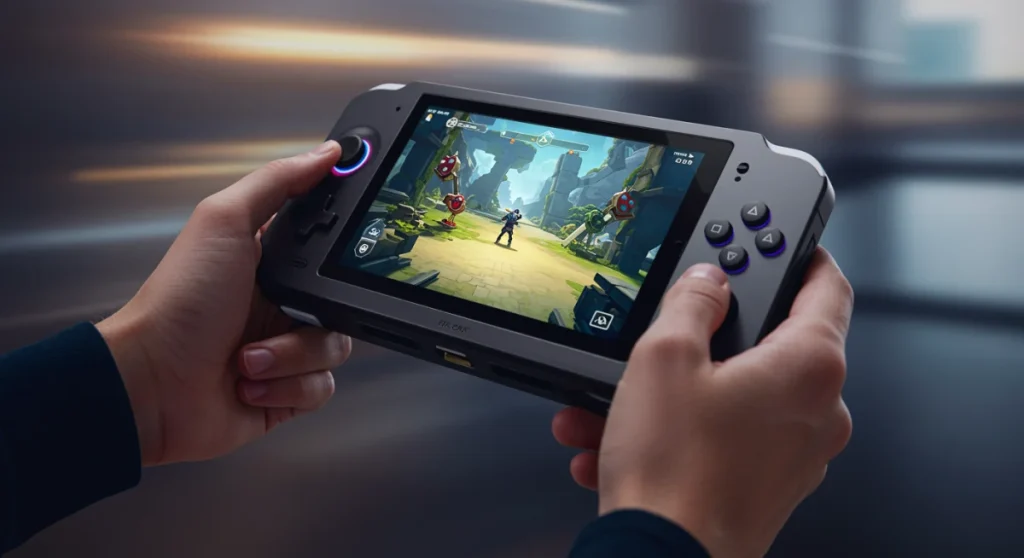
Gaming handhelds in 2025 are redefining portable entertainment through three major innovations: hyper-realistic haptic feedback, AI-powered adaptive gaming, and seamless cloud integration, offering unprecedented immersive experiences.
The landscape of portable gaming is undergoing a significant transformation, and by 2025, gaming handhelds in 2025 are poised to deliver experiences previously unimaginable. We are moving beyond mere graphical upgrades into an era where immersion is redefined through tactile sensations, intelligent game adaptation, and unhindered access to vast digital libraries. This article delves into the three pivotal innovations that are fundamentally changing how we play on the go.
The Dawn of Hyper-Realistic Haptic Feedback
Haptic feedback, the technology that simulates the sense of touch, has long been a staple in gaming, but 2025 marks a new epoch. Traditional rumble motors are giving way to sophisticated haptic systems capable of conveying an unprecedented range of sensations, from the subtle patter of rain to the distinct recoil of a weapon.
This evolution goes beyond simple vibration. Current research and development are focusing on micro-actuators and advanced algorithms that can mimic texture, resistance, and even temperature changes. Imagine feeling the coarse sand beneath your character’s feet or the chill of a digital breeze. These nuanced tactile inputs significantly deepen player immersion, blurring the lines between the virtual and physical worlds.
Advanced Haptic Actuators
The core of this revolution lies in the hardware. Next-generation gaming handhelds are integrating arrays of piezoelectric actuators and linear resonant actuators (LRAs) that can produce a wider frequency range and more precise directional feedback than ever before. This allows developers to craft highly specific tactile events that correspond directly to on-screen actions.
- Piezoelectric Arrays: Offer ultra-fine vibrations, capable of simulating delicate textures and environmental nuances.
- Linear Resonant Actuators (LRAs): Provide strong, distinct pulses for impacts, explosions, and character movements.
- Directional Feedback: Individual actuators can be triggered to simulate the direction from which a force originates, adding another layer of realism.
Software-Defined Immersion
Hardware advancements are only half the story; sophisticated software is crucial for translating game events into meaningful haptic sensations. AI-driven haptic engines analyze in-game audio and visual cues in real-time, dynamically generating feedback that enhances the experience without overwhelming the player. This intelligent orchestration ensures that haptics are always relevant and impactful.
The integration of these advanced haptic systems means that every interaction, every environmental detail, and every combat encounter on a gaming handheld will be accompanied by a rich tapestry of tactile information. This not only makes games more engaging but can also provide critical gameplay cues, such as the direction of an incoming attack or the proximity of a hidden item. The future of portable gaming is not just about what you see and hear, but what you feel.
The impact of hyper-realistic haptic feedback on gaming handhelds in 2025 cannot be overstated. It represents a fundamental shift in how we perceive and interact with virtual worlds, making portable gaming a truly multi-sensory experience that is both deeply immersive and remarkably intuitive.
AI-Powered Adaptive Gaming Experiences
Artificial intelligence is no longer just for NPCs; in 2025, AI is becoming deeply embedded in the core gameplay loop of handheld devices, creating experiences that adapt dynamically to individual players. This means games are no longer static challenges but fluid, responsive environments that learn and evolve with you.
AI-powered adaptive gaming on handhelds leverages advanced machine learning algorithms to analyze player behavior, skill levels, and preferences in real-time. This data then informs dynamic adjustments to difficulty, narrative progression, environmental elements, and even character interactions, ensuring a personalized and continuously engaging experience for every user.
Dynamic Difficulty Scaling
One of the most immediate benefits of AI in handheld gaming is intelligent difficulty scaling. Instead of pre-set modes, games will subtly adjust their challenge based on your performance. Struggling with a boss? The AI might subtly reduce its health or make its attack patterns more predictable. Breezing through levels? Expect tougher enemies and more complex puzzles.
- Real-time Analysis: AI constantly monitors player metrics like accuracy, reaction time, and strategic decisions.
- Micro-Adjustments: Difficulty changes are often imperceptible, maintaining immersion while optimizing engagement.
- Personalized Challenge: Ensures players are always at the optimal challenge level, preventing frustration and boredom.
Narrative and Content Generation
Beyond difficulty, AI is beginning to influence the very fabric of game narratives and content. Procedural generation, once limited to basic map layouts, is evolving with AI to create more meaningful and varied experiences. Imagine quests that are dynamically generated based on your playstyle, or character dialogue that adapts to your choices and past interactions.
This allows for highly replayable games where each playthrough feels unique, even within a structured storyline. The AI can analyze your preferences, suggesting side quests that align with your interests or introducing characters that complement your playstyle. This level of personalization transforms how we engage with stories and worlds on portable devices.
AI-powered adaptive gaming promises to make every session on a handheld device feel uniquely tailored. It moves beyond generic experiences to create a personal journey, ensuring that gaming handhelds in 2025 are not just powerful machines, but intelligent companions that understand and respond to their users, offering unparalleled replayability and immersion.
Seamless Cloud Integration and Streaming
The promise of cloud gaming has been discussed for years, but by 2025, it’s finally reaching its mature form on handheld devices, offering a truly seamless experience. This innovation eradicates the limitations of local hardware storage and processing power, delivering console-quality gaming on the go, with minimal latency and maximum flexibility.
Seamless cloud integration means that your gaming experience is no longer tethered to the physical capabilities of your handheld device. Instead, powerful servers handle the heavy lifting of rendering and processing, streaming the game directly to your screen. This opens up a world of graphically intensive titles that would otherwise be impossible on a portable form factor.
Ubiquitous Access to Game Libraries
One of the most compelling aspects of advanced cloud integration is the ability to access vast libraries of games without needing to download or install them. Subscribers to cloud gaming services can instantly jump into hundreds, if not thousands, of titles across various platforms, all streamed directly to their handheld device.
- Instant Play: No more waiting for large downloads or updates; games are ready to play in seconds.
- Cross-Platform Compatibility: Play your PC or console library titles directly on your handheld.
- Storage Freedom: Handheld storage is freed up for essential apps and saves, as games reside in the cloud.
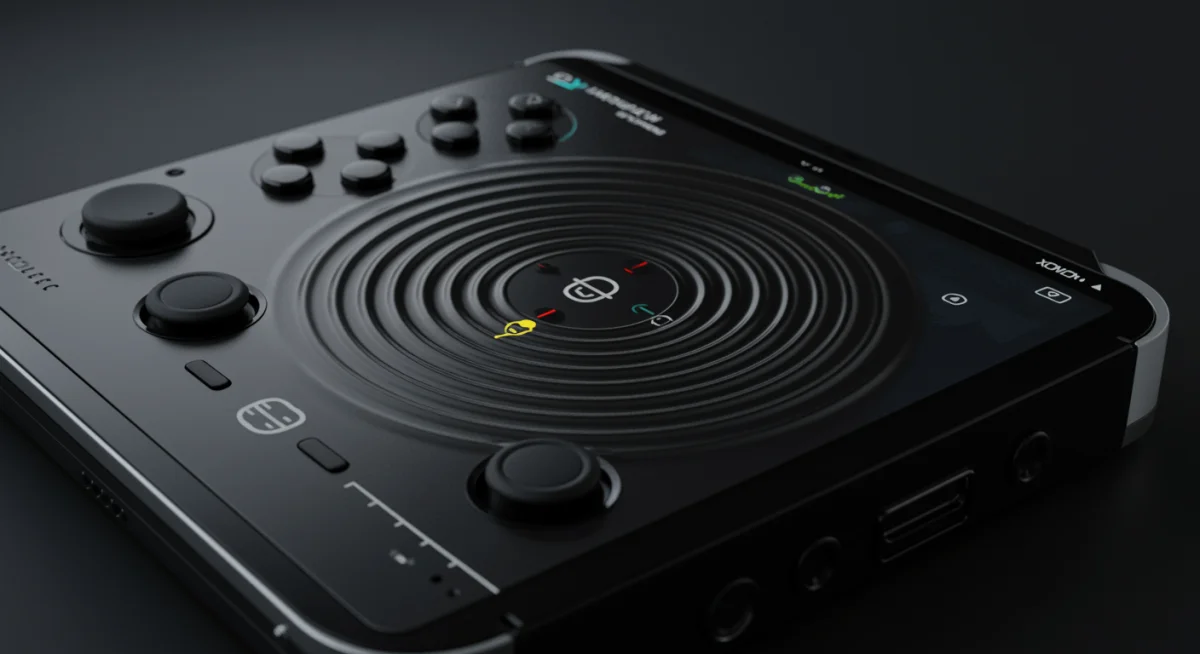
This paradigm shift means that the physical limitations of a handheld device — its processor, RAM, and storage — become less critical. The focus shifts to the quality of the screen, the ergonomics, and the input methods, as the raw processing power is handled remotely. This allows manufacturers to innovate more freely on form factor and user experience.
Low Latency and High Fidelity Streaming
Early cloud gaming suffered from noticeable input lag and compromised visual quality. However, significant advancements in network infrastructure, compression algorithms, and edge computing are resolving these issues. Dedicated gaming-optimized networks and the proliferation of 5G connectivity ensure that latency is reduced to imperceptible levels, even for fast-paced action games.
Furthermore, streaming technology has evolved to deliver high-fidelity graphics at stable frame rates, often mirroring or even exceeding the performance of local consoles. This means crisp visuals, smooth animations, and responsive controls, making the cloud gaming experience on handhelds indistinguishable from playing on a dedicated console or PC.
The synergy between powerful cloud infrastructure and advanced handheld devices means that by 2025, portable players will have access to an unparalleled gaming ecosystem. Seamless cloud integration positions gaming handhelds in 2025 not just as standalone devices, but as portals to an expansive, high-performance gaming universe, accessible anytime, anywhere.
Evolution of Handheld Hardware and Design
Beyond the core innovations in haptics, AI, and cloud, the physical design and underlying hardware of gaming handhelds are also undergoing a significant evolution. Manufacturers are pushing the boundaries of ergonomics, display technology, and power efficiency to create devices that are not only powerful but also incredibly comfortable and practical for extended play sessions.
The focus is on creating a holistic user experience, where the hardware complements the software advancements perfectly. This includes everything from the tactile feel of the buttons and joysticks to the clarity and responsiveness of the screen, all while ensuring the device remains lightweight and has a long battery life.
Ergonomics and Modularity
Modern gaming handhelds are moving towards more customizable and ergonomic designs. Detachable controllers, modular components, and adjustable form factors are becoming standard. This allows users to tailor their device to their specific preferences, whether they prefer a traditional gamepad layout or something more compact for travel.
- Detachable Controllers: Offer flexibility for different playstyles and easier portability.
- Customizable Grips: Allow users to swap out grip modules for enhanced comfort during long sessions.
- Improved Button Layouts: Optimized placement and tactile feedback for all controls, reducing strain and improving responsiveness.
Display Technology and Battery Life
The screens on 2025 handhelds are expected to feature high-refresh-rate OLED panels, offering vibrant colors, deep blacks, and buttery-smooth visuals. These displays, combined with advanced power management chips and larger, more efficient batteries, will ensure that the stunning graphics can be enjoyed for hours on end without constant recharging.
The balance between powerful components and efficient power consumption is crucial for portable devices. Innovations in chip architecture, such as ARM-based processors with dedicated AI accelerators, are allowing for desktop-class performance in a mobile form factor, all while maintaining impressive battery longevity. This means more gaming, less charging, and a truly untethered experience.
The continuous evolution of hardware and design ensures that gaming handhelds in 2025 are not just powerful, but also thoughtfully crafted for the ultimate portable experience. These advancements support the software innovations, creating a harmonious ecosystem where cutting-edge technology meets user-centric design.
The Intersection of VR/AR and Handheld Gaming
While dedicated VR/AR headsets continue to evolve, 2025 sees an interesting convergence with gaming handhelds, particularly in the realm of augmented reality. Handheld devices are becoming capable AR platforms, offering new layers of interaction with the physical world and blurring the lines between traditional gaming and mixed reality experiences.
This integration isn’t about replacing dedicated VR, but rather about enhancing the handheld experience with AR overlays and functionalities. High-resolution cameras, advanced depth sensors, and powerful on-device AI for environmental mapping allow handhelds to seamlessly blend digital content with real-world surroundings.
Augmented Reality Enhancements
Imagine playing a strategy game where your tabletop becomes the battlefield, with digital units maneuvering around physical objects. Or an adventure game where clues are hidden in your actual environment, revealed through your handheld’s screen. These types of experiences are becoming increasingly sophisticated and accessible.
- Environmental Mapping: Handhelds can accurately map their surroundings, allowing digital objects to interact realistically with the physical world.
- Contextual Gaming: AR games can adapt to your location or real-world objects, creating unique gameplay scenarios.
- Social AR Experiences: Share AR gaming moments with friends, overlaying digital content onto a shared physical space.
Hybrid Gaming Models
The future of gaming handhelds in 2025 will likely include hybrid models that seamlessly transition between traditional screen-based gaming and augmented reality modes. This offers developers a rich palette for creativity, allowing them to design games that leverage both formats for maximum impact.
For example, a game might have a core narrative played on the handheld screen, but certain puzzles or combat encounters could switch to an AR mode, requiring players to interact with their real-world environment. This blend of experiences offers a fresh perspective on portable gaming, moving beyond the confines of a small screen.
The integration of VR/AR capabilities, particularly augmented reality, expands the potential of gaming handhelds dramatically. It transforms them into versatile tools for immersive entertainment, offering new ways to play and interact with digital content that leverages both the virtual and physical realms. This convergence marks a significant step forward in making portable gaming more interactive and engaging.
Impact on Game Development and Player Expectations
The innovations in gaming handhelds in 2025 are not just about new features; they are profoundly impacting game development methodologies and reshaping player expectations. Developers are now creating games with multi-sensory immersion and adaptive experiences from the ground up, pushing the boundaries of what portable gaming can offer.
Players, in turn, are becoming accustomed to a higher standard of portable play. The days of compromised experiences on handhelds are fading, replaced by an expectation of console-quality graphics, deep immersion, and personalized gameplay, all delivered in a convenient, portable package.
New Creative Avenues for Developers
With hyper-realistic haptics, AI-driven adaptive systems, and seamless cloud integration at their disposal, game developers have unprecedented tools to craft richer, more dynamic worlds. Haptics can be used to convey emotion, tension, or environmental details in ways previously impossible. AI can create narratives that feel uniquely yours, adapting to your choices and skills.
Cloud streaming frees developers from the hardware constraints of the handheld itself, allowing them to build visually stunning and complex games without needing to optimize for lower-spec local hardware. This opens up a vast creative space, fostering innovation in storytelling, gameplay mechanics, and overall player engagement.
- Haptic Storytelling: Using tactile feedback to enhance narrative moments and emotional impact.
- AI-Generated Content: Dynamic quests, characters, and environments that adapt to player behavior.
- Cloud-Powered Graphics: Unlocking console-quality visuals and complex simulations on portable devices.
Elevated Player Expectations
As these technologies become mainstream, player expectations for portable gaming will inevitably rise. Gamers will seek out experiences that offer deep immersion, personalized challenges, and the flexibility to play high-fidelity titles anywhere. The distinction between ‘console gaming’ and ‘handheld gaming’ will continue to blur, with handhelds offering a premium, uncompromised experience.
This shift means that future handhelds and the games developed for them will need to meet a higher bar for performance, innovation, and user experience. The market will reward devices and titles that successfully integrate these advanced features to deliver truly next-generation portable play.
The innovations arriving with gaming handhelds in 2025 are setting a new benchmark for portable entertainment. They are fostering a symbiotic relationship between hardware capabilities, software intelligence, and developer creativity, ultimately leading to more engaging, personalized, and immersive gaming experiences for players worldwide.
| Key Innovation | Impact on Portable Play |
|---|---|
| Hyper-realistic Haptics | Deepens immersion with nuanced tactile sensations, mimicking textures and forces. |
| AI-Powered Adaptive Gaming | Personalizes gameplay by dynamically adjusting difficulty, narratives, and content. |
| Seamless Cloud Integration | Enables console-quality streaming, vast game libraries, and reduced hardware reliance. |
| Evolving Hardware Design | Focuses on ergonomics, modularity, and advanced displays for enhanced user comfort and visuals. |
Frequently Asked Questions About 2025 Gaming Handhelds
The main innovations for gaming handhelds in 2025 include hyper-realistic haptic feedback for deeper immersion, AI-powered adaptive gaming that personalizes experiences, and seamless cloud integration for unhindered access to high-fidelity games, collectively redefining portable play.
Hyper-realistic haptic feedback will go beyond simple vibrations, enabling handhelds to simulate delicate textures, resistance, and directional forces. This enhances immersion by allowing players to physically feel in-game environments and actions, providing a richer, multi-sensory experience.
AI-powered adaptive gaming means that games will dynamically adjust to individual player behavior, skill, and preferences. This includes real-time difficulty scaling, personalized narrative progression, and unique content generation, ensuring a constantly engaging and tailored experience for every user.
While cloud gaming will be seamlessly integrated and widely adopted, it’s more likely to complement rather than entirely replace local processing. Handhelds will still offer robust local capabilities for offline play and certain titles, with cloud streaming providing access to a vast library of high-end games.
Handhelds in 2025 will prioritize enhanced ergonomics, featuring modular designs, detachable controllers, and customizable grips for superior comfort. Expect high-refresh-rate OLED displays and extended battery life, balancing powerful performance with practical portability for prolonged gaming sessions.
The Future is Now: Unprecedented Portable Play
The trajectory of gaming handhelds in 2025 paints a picture of unprecedented innovation and immersive experiences. From tactile feedback that bridges the virtual and physical, to intelligent AI that personalizes every adventure, and the boundless freedom of cloud gaming, portable play is entering a golden age. These advancements, coupled with refined hardware design, promise a future where high-fidelity gaming is truly at our fingertips, anytime, anywhere. The distinctions between traditional console and portable gaming are rapidly dissolving, ushering in an era where the only limit is the imagination of developers and players alike.