BCI Outlook 2027: Ethics & US Market Opportunities
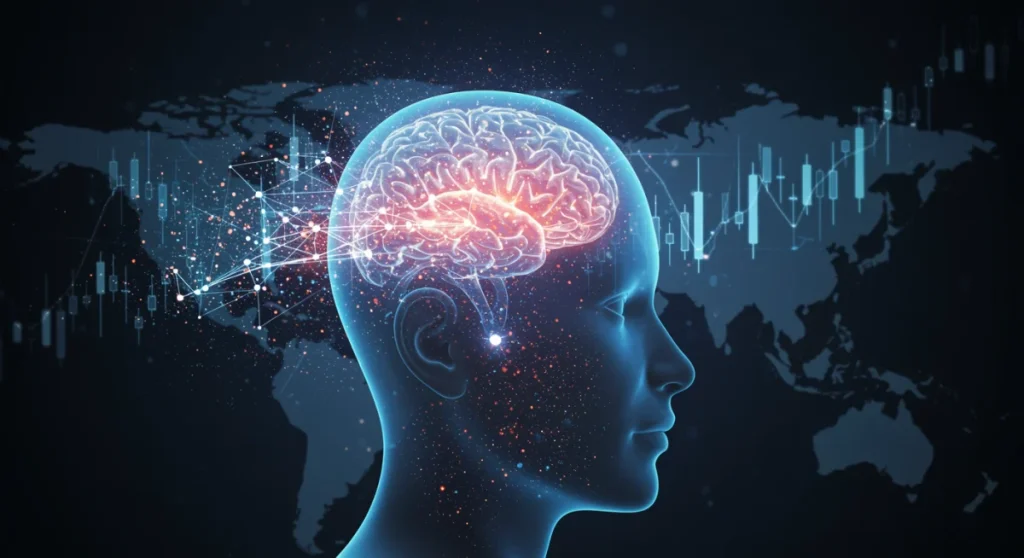
The 3-month outlook on Brain-Computer Interfaces (BCI) in the US market by 2027 reveals a burgeoning landscape presenting both profound ethical considerations and substantial growth opportunities across various sectors.
Imagine a world where thought alone can control machines, restore lost senses, or even enhance cognitive abilities. This isn’t science fiction anymore; it’s the rapidly evolving reality of Brain-Computer Interfaces: A 3-Month Outlook on Ethical Considerations and Market Opportunities in the US by 2027. As we approach this near-future horizon, understanding the ethical landscape and market dynamics becomes crucial for innovators, policymakers, and the public alike.
Understanding Brain-Computer Interfaces (BCI)
Brain-Computer Interfaces, or BCIs, represent a groundbreaking field at the intersection of neuroscience, engineering, and computer science. These systems enable direct communication pathways between the brain and an external device, bypassing the body’s peripheral nervous system. The implications are vast, ranging from medical breakthroughs to potential human augmentation.
In essence, BCIs translate brain activity into commands that external technologies can understand and execute. This can involve invasive methods, where electrodes are surgically implanted into the brain, or non-invasive approaches using external sensors like electroencephalography (EEG) caps. Each method carries its own set of advantages and challenges, particularly concerning safety, efficacy, and user adoption.
Types of BCI Technologies
The landscape of BCI technology is diverse, continually expanding with new research and development. Understanding these distinctions is key to appreciating their current and future applications.
- Invasive BCIs: These require surgical implantation of electrodes into the brain. They offer high signal quality and bandwidth, making them suitable for precise control of prosthetics or restoring motor function. Examples include devices for locked-in syndrome patients.
- Non-Invasive BCIs: These utilize external sensors, such as EEG, fNIRS (functional near-infrared spectroscopy), or MEG (magnetoencephalography), placed on the scalp. While offering lower signal resolution, they are safer and more accessible for broader applications like gaming, meditation, or simple control tasks.
- Partially Invasive BCIs: These involve devices implanted beneath the skull but not directly into the brain tissue, such as electrocorticography (ECoG). They offer a compromise between signal quality and invasiveness.
The rapid advancement in these technologies means that what was once confined to research labs is now steadily moving towards commercial viability, reshaping our interaction with the digital world and our own biology. The next few months leading up to 2027 will see critical developments in refining these technologies for wider use.
Current Ethical Considerations in BCI Development
As BCI technology progresses, a complex web of ethical considerations emerges, demanding careful navigation from researchers, developers, and policymakers. These concerns are not merely theoretical; they directly impact the design, deployment, and public acceptance of BCIs.
One primary concern revolves around privacy and data security. Brain data is arguably the most sensitive form of personal information, revealing thoughts, intentions, and even emotional states. Ensuring this data is protected from unauthorized access, misuse, or exploitation is paramount to maintaining public trust.
The Right to Mental Privacy
The concept of ‘mental privacy’ takes on new significance with BCIs. If devices can read or even write to our brains, who owns that information? What prevents entities from accessing or manipulating our cognitive processes?
- Data Ownership: Establishing clear legal frameworks for who owns brain data generated by BCI users.
- Consent and Control: Ensuring users have full, informed consent over how their brain data is collected, used, and shared, with robust mechanisms for withdrawing consent.
- Protection from Hacking: Developing advanced cybersecurity measures to prevent malicious actors from intercepting or altering brain signals.
Beyond privacy, questions of identity and agency arise. If a BCI enhances cognitive function or allows for external control, how does this affect an individual’s sense of self and their capacity for independent decision-making? These are profound philosophical questions requiring urgent attention as BCIs become more sophisticated. Balancing innovation with responsible development is crucial for the ethical integration of BCIs into society.
Navigating Regulatory Challenges in the US
The US regulatory landscape for Brain-Computer Interfaces is rapidly evolving, attempting to keep pace with technological advancements while ensuring public safety and ethical standards. Agencies like the FDA are at the forefront, grappling with how to classify and oversee these novel devices, particularly those with medical applications.
Currently, many invasive BCIs are regulated as medical devices, undergoing rigorous testing and approval processes. However, non-invasive BCIs, especially those marketed for wellness or consumer use, often fall into a regulatory gray area, posing challenges for consistent oversight and consumer protection.
FDA’s Role in BCI Regulation
The Food and Drug Administration (FDA) plays a critical role in evaluating the safety and efficacy of medical BCIs. Their framework includes premarket approval, clearance, and postmarket surveillance, but BCI specific guidelines are still being shaped.
- Device Classification: Determining whether a BCI is a Class I, II, or III medical device influences the level of regulatory scrutiny it receives.
- Clinical Trials: Establishing robust protocols for human clinical trials to assess both safety and therapeutic benefit.
- Software as a Medical Device (SaMD): Addressing the regulatory challenges posed by BCI software components that may function independently of hardware.
Beyond the FDA, other bodies like the Federal Trade Commission (FTC) might become involved concerning consumer protection and data privacy for non-medical BCI applications. Harmonizing these different regulatory perspectives will be key to fostering innovation while safeguarding individuals. The next three months will likely see further discussions and potentially new guidance from these agencies, shaping the market and ethical boundaries.
Market Opportunities in the US by 2027
The US market for Brain-Computer Interfaces is poised for significant growth by 2027, driven by advancements in neurotechnology, increased investment, and a growing demand for innovative solutions in healthcare, consumer electronics, and beyond. This expansion presents substantial opportunities for startups and established companies alike.
One of the most promising sectors is healthcare, particularly in assistive technologies for individuals with disabilities. BCIs offer revolutionary potential for restoring communication, mobility, and independence to patients with conditions like paralysis, ALS, or severe neurological disorders.
Key Growth Areas
Several domains are expected to see rapid BCI adoption and market penetration, fueled by both technological maturity and consumer readiness.
- Medical and Rehabilitative: Devices for motor prosthetics, communication aids, seizure detection, and pain management.
- Consumer Electronics: Gaming, meditation aids, cognitive enhancement tools, and hands-free device control.
- Defense and Security: Advanced human-machine interfaces for military applications, enhancing situational awareness and control.
Beyond these, the research and development sector itself represents a significant market, with demand for advanced BCI tools and platforms. The short-term outlook up to 2027 suggests a period of rapid prototyping, strategic partnerships, and initial commercialization waves, particularly in niche medical applications. Investors are increasingly recognizing the long-term potential of this transformative technology.
Investment Landscape and Economic Impact
The investment landscape for Brain-Computer Interfaces in the US is heating up, with venture capital firms, corporate investors, and government grants pouring funds into promising startups and research initiatives. This influx of capital is accelerating development and bringing BCI technology closer to mainstream adoption.
The economic impact of BCI technology is projected to be substantial, creating new industries, jobs, and significantly improving quality of life for millions. While still in its nascent stages, the potential for market disruption across various sectors is immense.
Driving Factors for BCI Investment
Several factors contribute to the robust investment interest in BCIs, indicating a strong growth trajectory towards 2027.
- Technological Breakthroughs: Advances in machine learning, miniaturization, and biocompatible materials.
- Aging Population: Growing demand for solutions to age-related neurological conditions.
- Government Funding: Initiatives like the BRAIN Initiative providing significant research grants.
The US is particularly attractive due to its strong research infrastructure, innovative ecosystem, and access to capital. Companies that can demonstrate clear clinical benefits, navigate regulatory hurdles, and address ethical concerns effectively are best positioned to attract investment and capture significant market share. The next three months will be crucial for companies seeking to finalize funding rounds and scale their operations.
Future Trends and Societal Implications
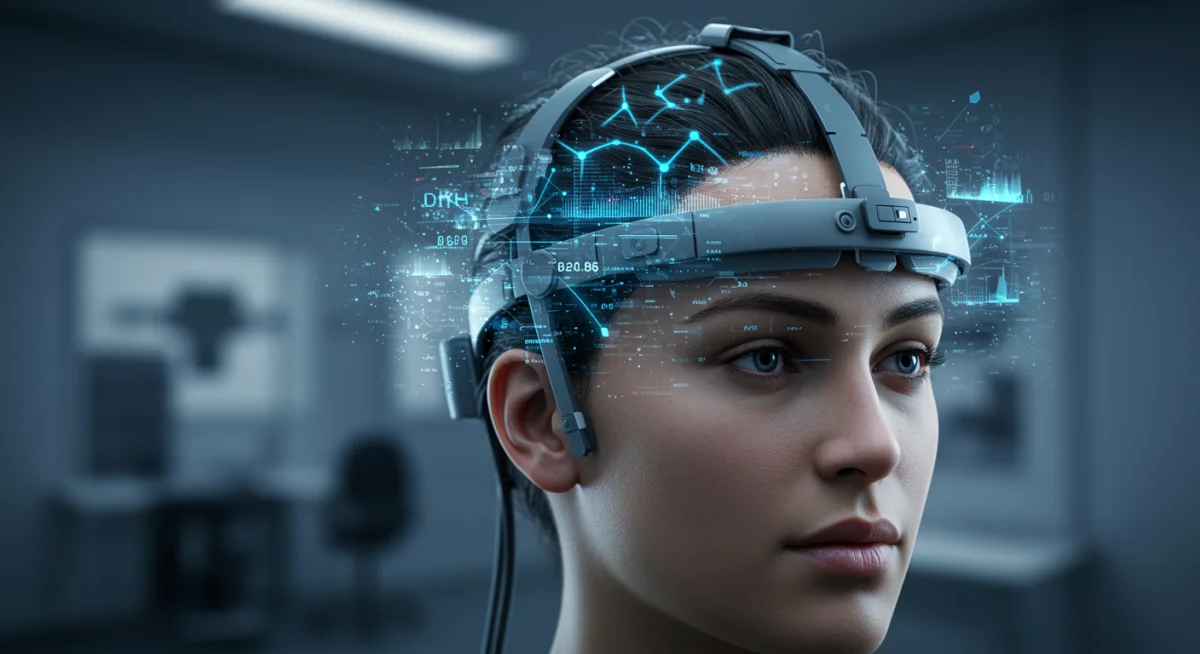
Looking beyond the immediate 3-month horizon to 2027, Brain-Computer Interfaces are poised to trigger significant future trends and profound societal implications. The technology is not just about assisting the disabled; it holds the potential to redefine human capabilities and interaction with the world.
One major trend is the increasing sophistication of non-invasive BCIs, making them more accessible and user-friendly for a wider consumer base. This could lead to widespread adoption in areas like cognitive training, entertainment, and even smart home control, moving beyond specialized medical applications.
Anticipated Societal Shifts
- Enhanced Communication: Direct brain-to-brain communication or telepathy through BCI mediation.
- Cognitive Augmentation: Potential for memory enhancement, faster learning, and improved focus.
- Redefining Work and Leisure: New forms of digital interaction and immersive experiences.
However, these advancements also bring forth discussions about equitable access, the potential for a ‘digital divide’ based on BCI access, and the very definition of what it means to be human in an augmented world. Preparing for these societal changes, both positive and challenging, will require ongoing dialogue and proactive policy-making. The journey towards 2027 is just the beginning of this transformative era.
| Key Aspect | Brief Description |
|---|---|
| Ethical Concerns | Privacy of brain data, informed consent, and potential for identity alteration are paramount. |
| Regulatory Landscape | FDA and FTC are shaping oversight for medical and consumer BCIs, with guidelines evolving rapidly. |
| Market Opportunities | Significant growth in healthcare (assistive tech), consumer electronics, and defense sectors by 2027. |
| Investment Trends | Increasing venture capital and government funding accelerating BCI development and commercialization. |
Frequently Asked Questions About BCIs
BCIs are systems that create a direct communication pathway between the brain and an external device. They allow individuals to control computers or prosthetic limbs using only their thoughts, or to receive sensory input directly into the brain.
Key ethical concerns include mental privacy, data security of brain information, informed consent for BCI use, potential for cognitive manipulation, and issues of equitable access to advanced neurotechnologies.
By 2027, the US BCI market is projected to see significant growth, particularly in medical applications like assistive devices, as well as an expansion into consumer electronics for wellness and entertainment, driven by increased investment.
The FDA is crucial for regulating medical BCIs, ensuring their safety and efficacy through classification, clinical trial oversight, and postmarket surveillance. Their guidelines are continually adapting to rapid technological advancements in neurotechnology.
While still largely experimental, some BCI research explores cognitive augmentation, such as improving memory, focus, or learning capabilities. These applications raise additional ethical questions about fairness and the definition of normal human function.
Conclusion
The journey towards 2027 presents a fascinating and complex landscape for Brain-Computer Interfaces in the US. While the market opportunities are undeniably vast, promising transformative advancements in healthcare, consumer tech, and beyond, they are inextricably linked with profound ethical considerations. Navigating issues of mental privacy, data security, and equitable access will be paramount to ensuring that BCI technology serves humanity’s best interests. As research accelerates and investment grows, a balanced approach combining innovation with robust ethical frameworks and adaptive regulatory oversight will be essential for realizing the full, responsible potential of BCIs in the coming years.