Personalized Learning with AI: Boosting U.S. Student Outcomes by 20% by 2027
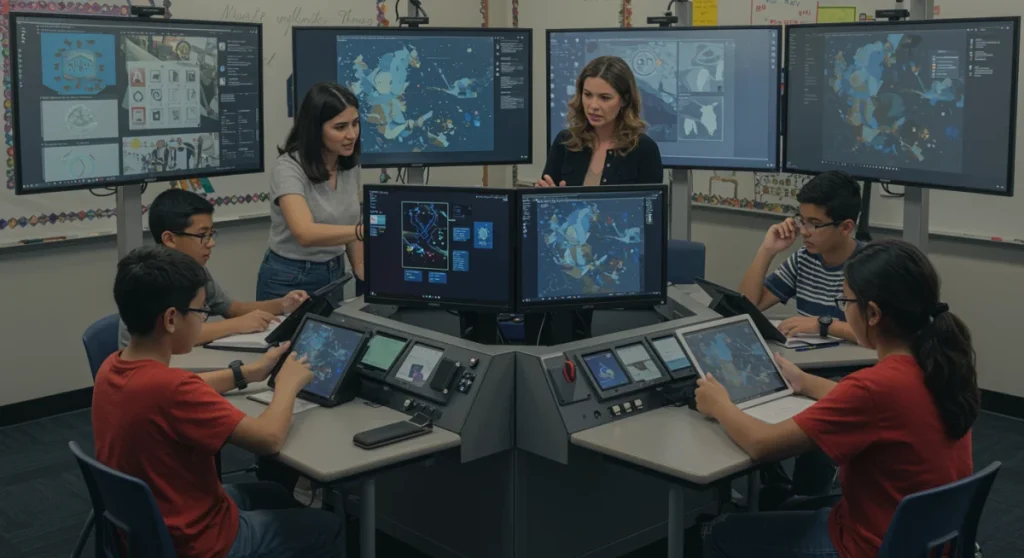
The integration of AI in personalized learning aims to significantly enhance educational effectiveness across the U.S., with projections indicating a 20% improvement in student outcomes by 2027 by adapting content and pace to individual needs.
The landscape of U.S. education is on the cusp of a profound transformation, driven by the innovative application of artificial intelligence. Specifically, the concept of personalized learning with AI is emerging as a cornerstone for future pedagogical approaches, promising to reshape how students learn and achieve. This isn’t just about integrating technology; it’s about fundamentally altering the educational experience to better suit individual student needs, with an ambitious goal: improving student outcomes by 20% across the nation by 2027. This article delves into the mechanisms, benefits, and challenges of this revolutionary shift.
The promise of AI in tailoring education
Artificial intelligence offers an unprecedented ability to analyze vast amounts of data, identifying patterns and making predictions that can be harnessed to create truly individualized learning experiences. For years, educators have strived for personalized instruction, but the sheer scale of student populations often made this an aspirational goal rather than a practical reality. AI changes this dynamic entirely, providing tools that can adapt lessons, pace, and content to each student’s unique learning style and progress.
The core promise lies in its capacity to move beyond a one-size-fits-all model. Imagine an education system where every student receives instruction perfectly aligned with their cognitive strengths, areas needing improvement, and even their current level of engagement. This is the vision AI-powered personalized learning seeks to achieve, leading to more efficient and effective learning pathways.
Adaptive learning platforms and their impact
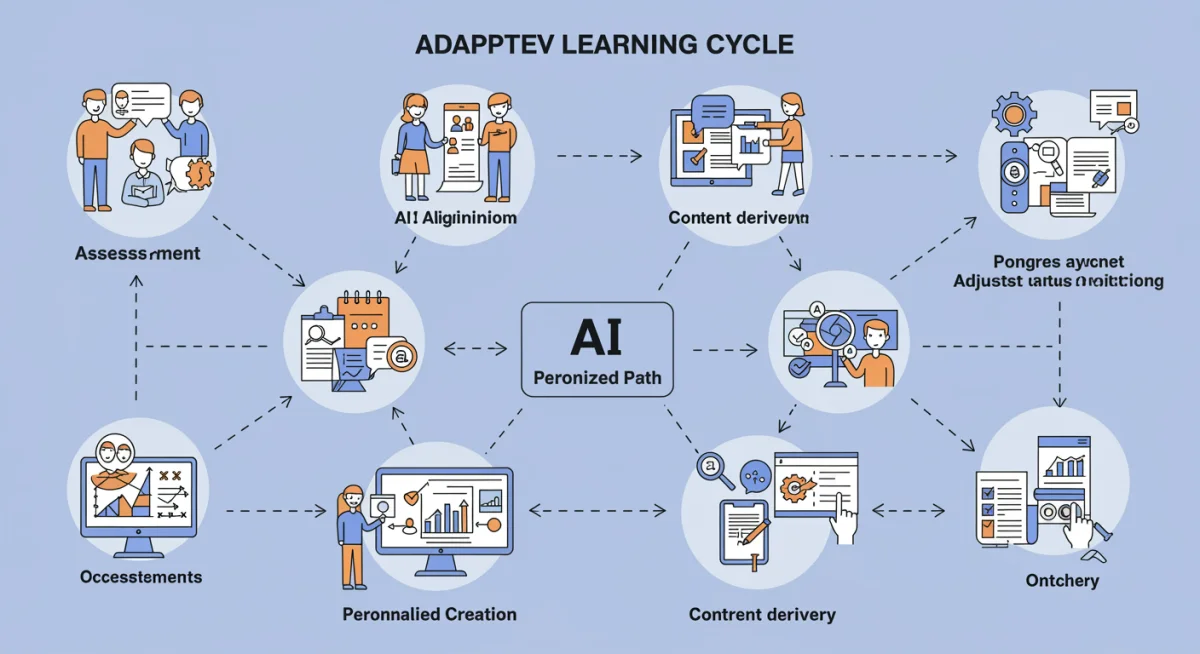
- Dynamic Content Adjustment: AI systems can modify curriculum content in real-time, based on a student’s performance on quizzes, exercises, and even their interaction patterns within the learning platform.
- Personalized Feedback: Beyond just right or wrong, AI can provide nuanced feedback, explaining why an answer was incorrect and suggesting resources for remediation, mirroring a dedicated tutor.
- Pacing Flexibility: Students can progress through material at their own speed, spending more time on difficult concepts and accelerating through those they quickly master, reducing both boredom and frustration.
- Engagement Monitoring: Some advanced AI tools can even track student engagement levels, prompting interventions or alternative approaches if a student appears to be losing interest or struggling.
The ability of AI to adapt and respond dynamically to student needs is what sets it apart from previous educational technologies. It’s not just digitizing textbooks; it’s creating an interactive, responsive learning environment that caters to individual learners. This adaptability is crucial for achieving the ambitious goal of a 20% improvement in student outcomes, as it directly addresses the diverse learning needs present in any classroom.
Data-driven insights for educators
One of the most significant contributions of AI to personalized learning is its ability to provide educators with actionable, data-driven insights. Teachers, often overwhelmed by large class sizes and administrative tasks, can leverage AI to gain a deeper understanding of each student’s progress, challenges, and learning preferences. This shifts their role from primary content deliverers to facilitators and mentors, equipped with robust information.
AI platforms collect and analyze student data continuously, from quiz scores and assignment submissions to time spent on specific topics and common misconceptions. This data is then synthesized into digestible reports and dashboards, offering a comprehensive view of individual and class-wide performance. Such insights enable teachers to intervene proactively, tailor small group instruction, and allocate their time more effectively to students who need it most.
Predictive analytics and early intervention
AI’s predictive capabilities are particularly valuable. By analyzing historical data and current performance trends, AI can identify students at risk of falling behind before they even realize they are struggling. This allows for early intervention strategies, preventing academic setbacks and ensuring students receive the support they need when it matters most. It’s about being proactive rather than reactive in addressing learning challenges.
Furthermore, AI can help identify broader trends within a classroom or even across an entire school district. For example, if a significant number of students are struggling with a particular mathematical concept, AI can flag this, prompting educators to review their teaching methods or curriculum materials for that specific topic. This systemic feedback loop is invaluable for continuous improvement in educational practices.
The power of data in education, when properly harnessed by AI, can transform teaching from an art based primarily on intuition into a more precise science, while still preserving the essential human element of nurturing and inspiring students. This blend of technology and pedagogy is key to unlocking significant improvements in educational outcomes.
Enhancing student engagement and motivation
A common challenge in traditional education is maintaining student engagement, especially when faced with diverse learning paces and interests. Personalized learning with AI addresses this by making the educational experience more relevant and stimulating for each individual. When students feel that the curriculum is tailored to their needs and that their progress is genuinely recognized, their motivation naturally increases.
AI platforms can incorporate gamification elements, interactive simulations, and content that aligns with a student’s expressed interests, making learning feel less like a chore and more like an engaging exploration. This personalization fosters a sense of ownership over their learning journey, which is a powerful motivator for academic success.
Fostering self-directed learning
Beyond engagement, AI-powered tools can cultivate self-directed learning skills. By providing students with adaptive pathways and resources, they learn to take greater responsibility for their own education, making choices about what to learn next and how to tackle challenges. This autonomy is crucial for developing lifelong learners prepared for an ever-changing world.
- Choice and Control: Students can often choose from various learning activities or resources, giving them a sense of control over their education.
- Immediate Feedback: The instant feedback loop from AI systems helps students understand their mistakes and correct them promptly, reinforcing correct learning patterns.
- Relevant Content: AI can suggest content related to a student’s interests or career aspirations, making learning more meaningful and applicable.
- Progress Visualization: Visual dashboards showing individual progress can be highly motivating, allowing students to see how far they’ve come and what they’ve achieved.
Ultimately, by making learning more engaging, relevant, and empowering, AI helps to unlock each student’s full potential, contributing directly to improved outcomes. When students are motivated and actively participate in their learning, they are more likely to retain information, develop critical thinking skills, and achieve higher academic results.
Addressing equity and access in U.S. education
One of the most compelling arguments for widespread adoption of personalized learning with AI in the U.S. is its potential to address long-standing issues of equity and access. Educational disparities often stem from unequal access to resources, qualified teachers, and individualized support. AI can help bridge these gaps by providing high-quality, personalized instruction regardless of a student’s geographical location or socioeconomic background.
In rural areas, for instance, where specialized teachers might be scarce, AI platforms can deliver expert-level instruction in subjects like advanced mathematics or foreign languages. For students with learning disabilities, AI can adapt materials to suit their specific needs, offering accommodations that might be difficult to provide consistently in a traditional classroom setting.
Democratizing educational excellence
The democratizing effect of AI in education is profound. It means that every student, regardless of their starting point or external circumstances, can potentially access an education tailored to their unique requirements. This doesn’t replace the need for human teachers but augments their capabilities, allowing them to focus on the human aspects of teaching – mentorship, emotional support, and critical thinking development – while AI handles much of the adaptive content delivery.
While initial investments in technology and infrastructure are necessary, the long-term benefits in terms of equitable access and improved outcomes could far outweigh the costs. Ensuring that all students have access to these transformative tools is critical for achieving the 20% improvement target and fostering a more equitable educational landscape across the nation.
Challenges and ethical considerations
While the promise of personalized learning with AI is immense, its implementation is not without challenges and ethical considerations. The rapid pace of technological change often outstrips policy development, necessitating careful thought about data privacy, algorithmic bias, and the evolving role of educators. Addressing these concerns proactively is crucial for successful and ethical integration.
Data privacy is paramount. AI systems collect vast amounts of student data, raising questions about who owns this data, how it is stored, and who has access to it. Robust security measures and clear privacy policies are essential to protect sensitive student information from misuse. Parents and students must be fully informed and consent to data collection practices.
Navigating algorithmic bias and teacher roles
- Algorithmic Bias: AI algorithms are only as unbiased as the data they are trained on. If training data reflects existing societal biases, the AI might inadvertently perpetuate or even amplify these, leading to unfair outcomes for certain student groups.
- Teacher Training: Educators need comprehensive training not only on how to use AI tools but also on how to integrate them effectively into their pedagogy. This requires a shift in teaching philosophy and skill sets.
- Digital Divide: Despite efforts to improve access, a digital divide still exists. Ensuring all students have reliable internet access and devices is a prerequisite for equitable AI-powered learning.
- Human Connection: There’s a concern that over-reliance on AI could diminish the crucial human connection between teachers and students. AI should augment, not replace, human interaction.
Addressing these challenges requires a collaborative effort from policymakers, educators, AI developers, and communities. Establishing clear ethical guidelines, investing in teacher professional development, and ensuring equitable access to technology are vital steps toward realizing the full potential of AI in personalized learning without compromising student well-being or educational integrity.
The path forward: implementation strategies
Achieving a 20% improvement in U.S. student outcomes by 2027 through personalized learning with AI is an ambitious but attainable goal. It requires a strategic, phased implementation approach that involves significant investment in technology, professional development for educators, and continuous research and evaluation. Success hinges on careful planning and a commitment to adapting as new insights emerge.
Initial steps involve pilot programs in diverse educational settings to test various AI platforms and gather feedback from students, teachers, and administrators. These pilots can help identify best practices, uncover unforeseen challenges, and refine implementation strategies before scaling up. The insights gained from early adopters will be invaluable for broader deployment.
Key components of successful implementation
- Infrastructure Investment: Schools and districts need reliable internet connectivity, adequate devices, and robust IT support to deploy AI technologies effectively.
- Curriculum Integration: AI tools must be seamlessly integrated into existing curricula, not merely overlaid. This requires careful alignment with learning objectives and standards.
- Stakeholder Engagement: Involving parents, students, and community members in the planning and implementation process fosters buy-in and addresses concerns transparently.
- Continuous Evaluation: Regular assessment of AI’s impact on student outcomes, engagement, and equity is essential. Data should drive iterative improvements to the systems and their application.
The journey towards a fully AI-integrated personalized learning system will be iterative, marked by continuous learning and adaptation. However, with a clear vision, collaborative effort, and a focus on student-centric outcomes, the U.S. education system can harness the power of AI to create a more effective, equitable, and engaging learning experience for all, ultimately achieving its ambitious goal of improved student outcomes.
| Key Aspect | Brief Description |
|---|---|
| Personalization with AI | AI adapts content, pace, and feedback to individual student needs, moving beyond one-size-fits-all education. |
| Data-Driven Insights | AI provides educators with actionable data on student performance, enabling targeted interventions and informed teaching. |
| Student Engagement | Interactive, relevant content and gamification features enhance student motivation and foster self-directed learning. |
| Equity and Access | AI can democratize high-quality education, providing personalized support regardless of location or socioeconomic status. |
Frequently Asked Questions about AI in Personalized Learning
Personalized learning with AI involves using artificial intelligence technologies to tailor educational content, pace, and teaching methods to the individual needs and learning styles of each student. This adaptation aims to optimize their learning experience and improve academic results significantly.
AI improves outcomes by providing adaptive content, real-time feedback, and data-driven insights for educators. It addresses individual learning gaps, enhances engagement through relevant materials, and enables early intervention for struggling students, collectively boosting overall academic performance.
Students benefit from customized learning paths, increased engagement due to relevant content, and the ability to learn at their own pace. They receive immediate, constructive feedback, which helps them understand concepts better and fosters stronger self-directed learning skills for future success.
Challenges include ensuring data privacy and security, addressing potential algorithmic biases, providing adequate teacher training, and overcoming the digital divide to ensure equitable access to technology for all students across diverse socioeconomic backgrounds.
No, AI is intended to augment, not replace, human teachers. AI tools handle data analysis and adaptive content delivery, freeing up teachers to focus on mentorship, critical thinking development, and addressing the social-emotional needs that only human interaction can provide effectively.
Conclusion
The integration of personalized learning with AI represents a pivotal moment for U.S. education. With an ambitious target of improving student outcomes by 20% by 2027, this technological revolution promises to create more equitable, engaging, and effective learning environments. While challenges related to data privacy, algorithmic bias, and equitable access must be carefully navigated, the potential benefits for students, educators, and the broader society are profound. By embracing AI strategically and ethically, the U.S. educational system can harness the power of AI to create a more effective, equitable, and engaging learning experience for all, ultimately achieving its ambitious goal of improved student outcomes.