Drones for Beginners: FAA Regulations & 2025 Updates
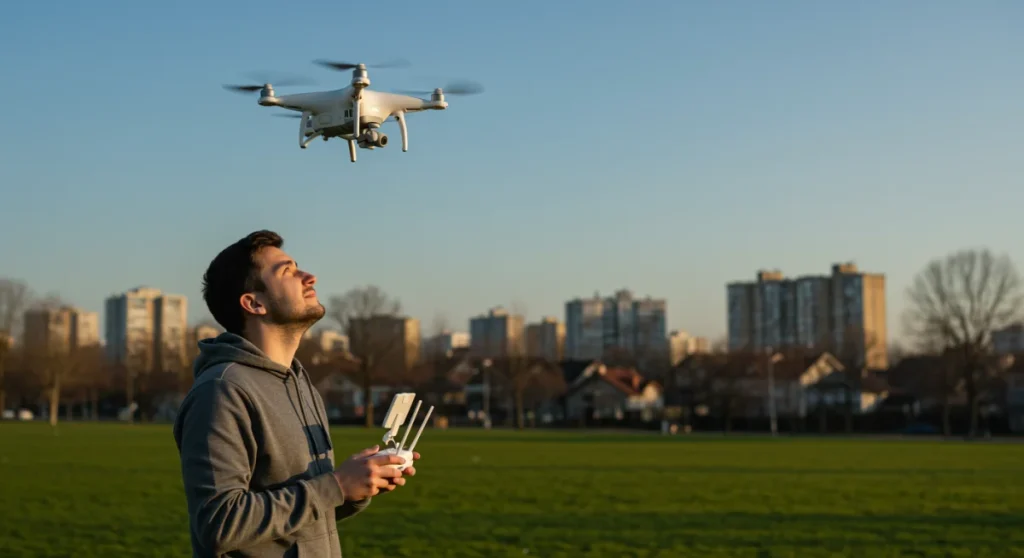
Navigating the evolving landscape of drone FAA regulations in 2025 is crucial for beginners, encompassing mandatory registration, operational guidelines, and adherence to airspace restrictions for safe and compliant recreational or commercial use.
Embarking on the exciting journey of drone piloting can be incredibly rewarding, offering unique perspectives and endless creative possibilities. However, for aspiring enthusiasts, especially those just starting, understanding the intricate web of drone FAA regulations in 2025 is not just recommended, it’s absolutely essential. The Federal Aviation Administration (FAA) continuously updates its rules to ensure the safety of our skies, and staying informed is the first step toward becoming a responsible and compliant drone operator.
Understanding the FAA’s Role in Drone Operations
The Federal Aviation Administration (FAA) serves as the primary regulatory body overseeing all airspace within the United States, including that utilized by unmanned aircraft systems, commonly known as drones. Its mission is to ensure the safety and efficiency of air travel for everyone, from commercial airlines to hobbyist drone pilots. For beginners, grasping the FAA’s authority and the rationale behind its regulations is fundamental to responsible drone operation.
The FAA categorizes drone operations primarily into two main types: recreational and commercial. While both fall under FAA jurisdiction, the specific rules and requirements can differ significantly. Recreational flyers, often referred to as hobbyists, fly drones purely for personal enjoyment and not for any form of compensation. Commercial operators, on the other hand, use drones for business purposes, such as aerial photography, inspections, or deliveries. Understanding which category your intended use falls into is the first critical step in navigating the regulatory landscape.
The Importance of Airspace Awareness
- Controlled Airspace: This includes airspace around airports where air traffic control (ATC) services are provided. Flying here typically requires prior authorization.
- Uncontrolled Airspace: Generally, this is airspace where ATC services are not provided. However, even here, certain restrictions and advisories apply.
- Special Use Airspace: Areas like military operating areas, national parks, and temporary flight restrictions (TFRs) have specific rules or outright prohibitions on drone flights.
The FAA utilizes tools like the B4UFLY app and the Low Altitude Authorization and Notification Capability (LAANC) system to help drone pilots determine airspace classifications and obtain necessary authorizations. Familiarizing yourself with these resources is crucial for safe and legal flights. Ignoring airspace restrictions can lead to severe penalties, including fines and potential legal action. Therefore, every beginner must prioritize learning about airspace before their first flight.
Mandatory Drone Registration and Identification
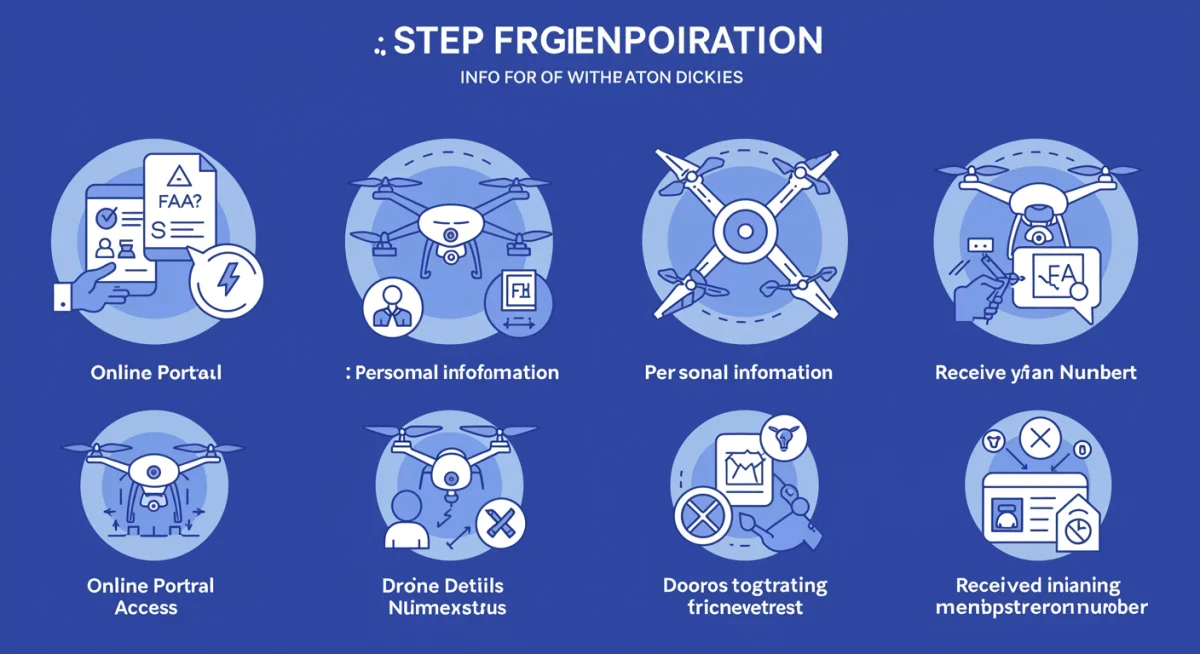
One of the most critical aspects of drone FAA regulations for beginners in 2025 is mandatory registration. Almost all drones weighing over 0.55 pounds (250 grams) must be registered with the FAA, regardless of whether they are flown for recreational or commercial purposes. This requirement ensures accountability and helps the FAA track drones in the national airspace. The registration process is straightforward and can be completed online through the FAA DroneZone portal.
Once registered, recreational flyers receive a unique registration number that must be marked on their drone. Commercial operators, under Part 107, register each drone individually. This marking serves as a crucial identifier, much like a license plate on a car, aiding in identification should a drone be lost or involved in an incident. Failure to register an eligible drone can result in significant civil and criminal penalties, making compliance a non-negotiable step for all new pilots.
Remote ID: The Latest Frontier in Drone Safety
Remote ID is a relatively new FAA regulation that became fully effective in 2023, though its implications continue to evolve into 2025. This technology acts as a ‘digital license plate’ for drones, broadcasting identification and location information from the drone to receivers on the ground. This allows authorities to identify drones in flight, enhancing security and safety. Most new drones sold today are equipped with Remote ID capabilities, but older models may require a separate add-on module.
- Standard Remote ID: Drones manufactured with built-in Remote ID broadcast capabilities.
- Broadcast Module Remote ID: An external device attached to a drone to comply with Remote ID requirements.
- FAA-Recognized Identification Areas (FRIA): Designated areas where drones without Remote ID can still be flown, typically at community-based organization flying fields.
For beginners, understanding Remote ID is vital. It’s not merely a technicality but a foundational component of the FAA’s strategy for integrating drones safely into the national airspace. Ensure your drone is compliant with Remote ID requirements before taking to the skies, as operating a non-compliant drone outside of a FRIA can result in legal consequences. The FAA provides comprehensive guidance on Remote ID on its website, which every new pilot should review thoroughly.

Key Operational Rules for Recreational Flyers in 2025
For those flying drones purely for fun, the FAA has established a set of operational rules designed to ensure safety without imposing overly burdensome requirements. These rules, often referred to as the ‘Recreational Flyer Rules,’ are critical for beginners to memorize and adhere to. They are designed to prevent conflicts with manned aircraft, protect people and property on the ground, and maintain public safety.
One of the most basic rules involves flying within visual line of sight (VLOS). This means the drone pilot or a visual observer must be able to see the drone with their own eyes at all times, without the aid of binoculars or other vision-enhancing devices. This ensures the pilot can react to unexpected situations and avoid obstacles. Additionally, recreational flyers must yield to all manned aircraft, giving them the right-of-way, and should never interfere with emergency response activities.
Altitude and Proximity Restrictions
- Maximum Altitude: Recreational drones must not fly higher than 400 feet above ground level (AGL) in uncontrolled airspace.
- Proximity to Airports: Avoid flying near airports without prior authorization. In controlled airspace, specific authorizations through LAANC are required.
- No Flying Over People: Generally, recreational drones should not fly directly over people unless they are part of the operation or are under a covered structure.
These rules are not arbitrary; they are carefully crafted to mitigate risks. For instance, the 400-foot altitude limit helps keep drones well below the typical operating altitudes of manned aircraft. Adherence to these guidelines is paramount for maintaining a safe and enjoyable flying environment for everyone. Beginners should always consult the B4UFLY app before each flight to ensure they are aware of any local restrictions or temporary flight restrictions (TFRs) that might be in effect.
Navigating Commercial Drone Operations (Part 107)
While this guide primarily focuses on beginners in general, many new drone pilots eventually consider flying their drones for commercial purposes. This transition requires obtaining a Remote Pilot Certificate under Part 107 of the FAA regulations. This certification demonstrates that a pilot has the necessary knowledge and understanding of the rules, operating requirements, and procedures for safe commercial drone operations. It involves passing an aeronautical knowledge test at an authorized testing center.
The Part 107 rules are more comprehensive than those for recreational flyers, reflecting the increased complexity and potential risks associated with commercial activities. They cover aspects such as operating limitations, aircraft requirements, pilot responsibilities, and accident reporting. For instance, commercial operators have specific rules regarding night operations, flying over people, and operating from a moving vehicle, often requiring waivers or specific authorizations from the FAA.
Key Differences for Commercial Pilots
- Pilot Certification: Mandatory Remote Pilot Certificate.
- Aircraft Registration: Each drone used commercially must be individually registered.
- Operational Waivers: Ability to apply for waivers for certain operational restrictions (e.g., night operations, flying over people).
- Maintenance and Inspections: Responsibility to ensure the drone is in a safe operating condition.
For beginners contemplating commercial drone work, it is highly advisable to first gain significant experience as a recreational flyer. This foundational experience will not only make preparing for the Part 107 exam easier but will also build critical flight skills and situational awareness. Understanding the nuances of Part 107 is essential for anyone looking to turn their drone hobby into a professional endeavor, ensuring both compliance and operational success.
Upcoming FAA Regulatory Updates for 2025 and Beyond
The landscape of drone FAA regulations is dynamic, with continuous evolution driven by technological advancements and the increasing integration of drones into various sectors. As we move into 2025, several potential updates and areas of focus are on the horizon that could impact both recreational and commercial drone pilots. Staying abreast of these potential changes is crucial for future-proofing your drone operations and ensuring continued compliance.
One significant area of ongoing development is the concept of Unmanned Aircraft System Traffic Management (UTM). UTM is a system designed to manage low-altitude airspace operations for drones, similar to how air traffic control manages manned aircraft. While still in its developmental stages, UTM aims to enable more complex operations, such as beyond visual line of sight (BVLOS) flights and widespread package delivery, by providing a framework for safe and efficient drone integration. Its full implementation could bring new requirements and opportunities for all drone users.
Potential Regulatory Shifts
- Expanded BVLOS Operations: Expect increased discussions and potential pathways for routine BVLOS flights, especially for commercial applications.
- Advanced Air Mobility (AAM): Regulations related to passenger-carrying drones and eVTOL (electric Vertical Take-Off and Landing) aircraft will likely mature, indirectly influencing smaller drone operations.
- Harmonization with International Standards: The FAA may continue efforts to align its regulations with international drone standards, simplifying global operations.
Another area of focus is on further clarifying and refining rules around drone operations over people and at night. While current regulations allow for these operations under specific conditions or with waivers, the FAA is continually evaluating ways to make these activities safer and more accessible. Beginners should keep an eye on FAA announcements and industry news for these important updates, as they could significantly alter what is permissible and how. Proactive engagement with these evolving regulations will position pilots for success in the future of drone aviation.
Best Practices for Safe and Responsible Drone Piloting
Beyond simply adhering to the letter of the law, cultivating a mindset of safe and responsible piloting is paramount for any drone enthusiast, especially beginners. The FAA regulations provide a foundational framework, but true safety comes from a combination of knowledge, skill, and good judgment. Developing these attributes from the outset will not only enhance your flying experience but also contribute to the positive public perception of drones.
Always conduct a pre-flight check of your drone, ensuring batteries are charged, propellers are securely attached, and there are no visible signs of damage. Familiarize yourself with your drone’s specific features and limitations, reviewing the user manual thoroughly. Practice flying in open, unpopulated areas until you are comfortable with its controls and handling. These routine checks and practices significantly reduce the likelihood of accidents and unexpected issues during flight.
Essential Safety Tips for New Pilots
- Maintain Visual Line of Sight: Always keep your drone within your direct sight.
- Check Weather Conditions: Avoid flying in strong winds, rain, or other adverse weather.
- Respect Privacy: Be mindful of where you fly and avoid invading others’ privacy.
- Emergency Procedures: Know how to activate your drone’s return-to-home function or conduct an emergency landing.
Furthermore, joining a local drone club or online community can provide invaluable support, mentorship, and opportunities to learn from more experienced pilots. These communities often share insights on local flying spots, regulatory interpretations, and best practices. By embracing these best practices, beginners can ensure their drone flying is not only compliant with drone FAA regulations but also safe, enjoyable, and respectful of others and the environment. Responsible piloting is a continuous learning process that benefits the entire drone community.
| Key Point | Brief Description |
|---|---|
| FAA Registration | Mandatory for drones over 0.55 lbs; obtain a unique ID and mark your drone. |
| Remote ID | Broadcasts drone identification and location; essential for compliance outside FRIAs. |
| Operational Rules | Adhere to VLOS, 400ft altitude limit, and airspace restrictions; use B4UFLY app. |
| Commercial (Part 107) | Requires Remote Pilot Certificate for business use; more extensive regulations apply. |
Frequently Asked Questions About Drone Regulations
Most drones weighing over 0.55 pounds (250 grams) must be registered with the FAA, whether for recreational or commercial use. This is a mandatory step to ensure accountability and track drones in the national airspace, helping to maintain safety and security for all.
Remote ID is a technology that broadcasts a drone’s identification and location during flight, acting as a ‘digital license plate.’ It is crucial for security and safety, allowing authorities to identify drones and integrate them safely into the national airspace, especially outside designated FAA-Recognized Identification Areas (FRIAs).
No, recreational pilots must adhere to specific operational rules. This includes flying below 400 feet, maintaining visual line of sight, and avoiding controlled airspace near airports without authorization. Always use resources like the B4UFLY app to check for any local restrictions or Temporary Flight Restrictions (TFRs) before flying.
Commercial drone operations require a Remote Pilot Certificate obtained by passing an FAA aeronautical knowledge test. These operations fall under Part 107 regulations, which are more stringent and cover aspects like specific operational limitations, individual drone registration, and the potential for waivers for certain activities like night flights.
To stay updated, regularly check the official FAA website and subscribe to their drone-related newsletters. Following reputable drone industry news outlets and joining drone pilot communities can also provide valuable insights into upcoming regulatory changes and their potential impact on your flying activities.
Conclusion
Navigating the evolving landscape of drone FAA regulations in 2025 as a beginner might seem daunting, but it is an indispensable part of responsible drone piloting. From mandatory registration and understanding Remote ID to adhering to operational guidelines and preparing for future regulatory updates, every step is designed to ensure the safety and longevity of drone integration into our skies. By prioritizing education, compliance, and best practices, new pilots can confidently and safely explore the incredible potential that drones offer, contributing positively to the growing community of unmanned aircraft enthusiasts and professionals alike.