US AI Regulations 2026: Business Compliance Guide

By 2026, new AI regulations in the US will significantly impact businesses, requiring proactive strategies for compliance to navigate evolving legal frameworks and ensure responsible AI development and deployment.
The landscape of artificial intelligence is rapidly evolving, and with its advancements come calls for robust oversight. For businesses operating in the United States, understanding and preparing for the new AI regulations in the US: What Businesses Need to Know for Compliance in 2026 (Recent Updates) is no longer an option, but a critical imperative. As 2026 approaches, the convergence of federal and state initiatives will reshape how AI is developed, deployed, and managed across industries.
Understanding the Evolving Regulatory Landscape
The regulatory environment surrounding artificial intelligence in the U.S. is dynamic and complex, characterized by a patchwork of executive orders, proposed legislation, and agency guidance. Businesses must grasp this intricate web to ensure they are not caught off guard as new rules solidify. The push for regulation stems from a growing awareness of AI’s potential societal impacts, ranging from privacy concerns to algorithmic bias and job displacement.
Federal efforts are largely driven by the Biden administration, which has emphasized a responsible approach to AI innovation. Various government bodies are also contributing to this framework. Staying informed about these developments is crucial for any organization leveraging AI technologies.
Key federal initiatives and executive orders
The executive branch has played a significant role in setting the tone for AI regulation. Recent executive orders have called for agencies to establish AI safety and security standards, protect privacy, and promote equity. These directives serve as a blueprint for future legislative actions.
- Executive Order 14110: Safe, Secure, and Trustworthy Artificial Intelligence: Issued in October 2023, this order mandates federal agencies to develop standards for AI safety and security, including red-teaming exercises and watermarking AI-generated content.
- National AI Advisory Committee (NAIAC): This committee advises the President on AI-related issues, providing recommendations that often inform policy decisions and regulatory directions.
- NIST AI Risk Management Framework (AI RMF): Developed by the National Institute of Standards and Technology, this framework provides voluntary guidance for managing risks associated with AI systems, influencing industry best practices.
Beyond executive actions, several legislative proposals are circulating in Congress, addressing various aspects of AI governance. While a comprehensive federal law is still in development, these proposals signal the areas where future regulations are likely to emerge. Businesses should monitor these legislative discussions closely to anticipate upcoming requirements and adapt their strategies accordingly.
In essence, the evolving regulatory landscape demands a proactive and informed approach. Businesses that understand the foundational principles and ongoing developments will be better positioned to navigate the complexities and ensure compliance by 2026.
Anticipated Federal Regulations and Their Impact
As 2026 draws closer, federal regulations are expected to solidify, bringing with them a new era of accountability for AI systems. These anticipated regulations are designed to address critical issues such as data privacy, algorithmic bias, and transparency, ensuring that AI technologies are developed and deployed responsibly. Understanding the scope and potential impact of these federal mandates is paramount for businesses to prepare effectively.
The focus is on creating a balanced approach that fosters innovation while mitigating risks. This means that while certain practices may become more restricted, the overall aim is to build public trust in AI, which can ultimately benefit businesses that comply.
Key areas of federal regulatory focus
Federal agencies are honing in on several critical aspects of AI. These areas are likely to see the most significant regulatory changes, requiring businesses to adapt their internal processes and technological implementations.
- Data Privacy and Security: Regulations will likely strengthen protections around personal data used in AI training, potentially drawing parallels with existing privacy laws like HIPAA and GDPR. This could mean stricter consent requirements and enhanced data anonymization techniques.
- Algorithmic Bias and Discrimination: Expect mandates requiring businesses to actively identify, assess, and mitigate biases in their AI systems, especially in high-stakes applications such as hiring, lending, and criminal justice. This will necessitate robust auditing and fairness testing.
- Transparency and Explainability: Companies may be required to provide clear explanations of how their AI systems make decisions, particularly when those decisions impact individuals. This could involve documenting model architecture, training data, and decision-making logic.
- AI Safety and Risk Management: Regulations will likely establish standards for the safe development and deployment of AI, including requirements for risk assessments, incident reporting, and the implementation of safeguards to prevent harmful outcomes.
The impact of these federal regulations will be far-reaching, affecting everything from product development cycles to customer service interactions. Businesses will need to invest in new tools, training, and personnel to meet these demands. Failure to comply could result in significant penalties, reputational damage, and loss of consumer trust. Therefore, a strategic approach to compliance that integrates legal, ethical, and technical considerations is essential for navigating the evolving landscape of US AI regulations.
State-Level AI Initiatives and Divergence
While federal efforts often capture headlines, state-level AI initiatives are quietly shaping a diverse regulatory landscape across the U.S. Businesses cannot solely focus on federal mandates; they must also navigate a complex web of state-specific laws that may diverge significantly. This creates a challenging environment for companies operating across multiple states, demanding a nuanced understanding of regional requirements.
States are often at the forefront of addressing specific local concerns related to AI, such as employment practices, consumer protection, and even specialized industry applications. This decentralized approach can lead to both innovation and fragmentation in regulatory frameworks.
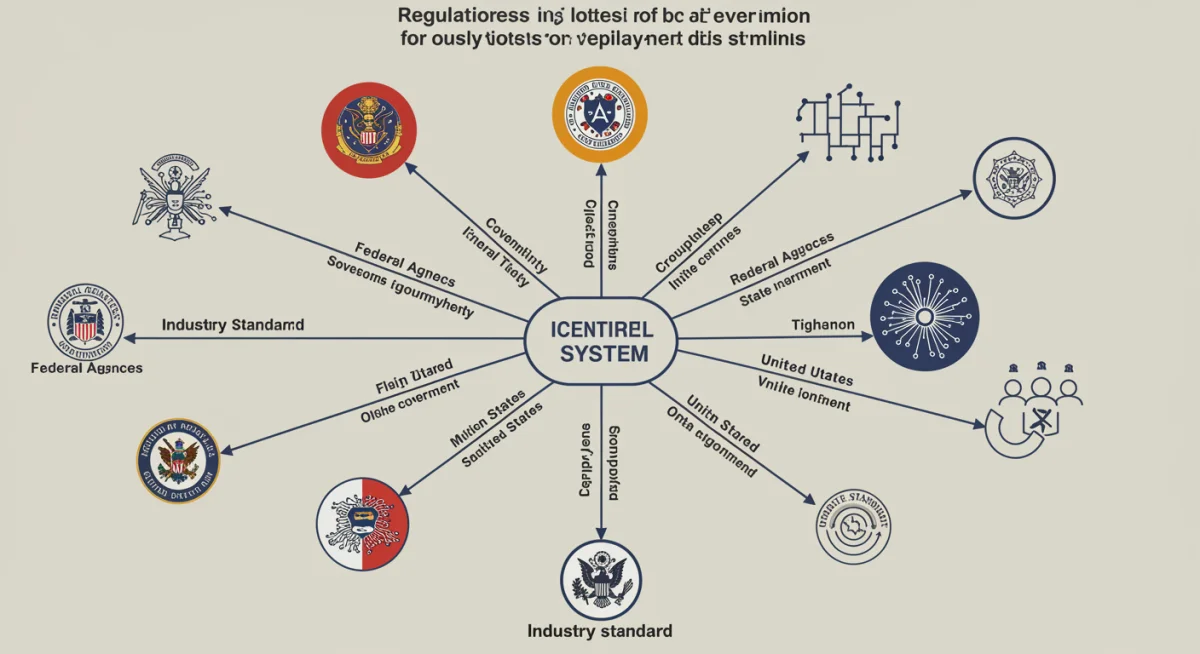

Key state regulatory trends and examples
Several states have already enacted or proposed significant AI legislation, setting precedents that other states might follow. These initiatives often focus on consumer rights and specific high-risk AI applications.
- Algorithmic Accountability Acts: States like New York and California have explored legislation requiring impact assessments for AI systems used in critical decisions, particularly those affecting employment or public services.
- Bias Audits for AI in Hiring: New York City, for instance, implemented a law requiring independent bias audits for automated employment decision tools, highlighting a trend towards scrutinizing AI in HR.
- Consumer Protection Laws: Some states are extending existing consumer protection frameworks to cover AI-driven products and services, focusing on issues like transparency in AI interactions and the right to appeal AI decisions.
The divergence in state laws means that a one-size-fits-all compliance strategy is unlikely to suffice. Businesses will need to conduct thorough jurisdictional analyses to identify all applicable state regulations. This includes understanding potential conflicts between state and federal laws, as well as between different state laws, and developing strategies to reconcile these differences. Proactive engagement with state legislative processes and industry groups can also provide valuable insights and opportunities to influence emerging policies.
Ultimately, a comprehensive compliance strategy for US AI regulations in 2026 must integrate both federal and state-level requirements, recognizing the unique challenges and opportunities presented by this multi-layered regulatory environment.
Preparing Your Business for AI Compliance by 2026
The rapidly approaching deadline for new AI regulations in the US by 2026 demands a proactive and structured approach from businesses. Merely reacting to new laws as they are enacted will likely prove insufficient and costly. Instead, organizations must embed compliance considerations into their AI development lifecycle and operational strategies, transforming potential challenges into opportunities for responsible innovation.
Preparation involves more than just legal review; it requires a holistic organizational shift, encompassing technological adjustments, ethical considerations, and personnel training. Businesses that integrate these elements early will gain a competitive advantage.
Essential steps for proactive compliance
To effectively prepare for the impending regulations, businesses should undertake several key actions. These steps will help establish a robust framework for AI governance and ensure readiness for 2026.
- Conduct an AI inventory and risk assessment: Begin by cataloging all AI systems currently in use or under development within your organization. For each system, assess its purpose, data sources, potential risks (e.g., bias, privacy violations), and the level of human oversight. This inventory forms the baseline for compliance efforts.
- Establish an internal AI governance framework: Develop clear policies and procedures for the ethical development, deployment, and monitoring of AI. This framework should include roles and responsibilities for AI governance, a code of conduct for AI practitioners, and mechanisms for internal review and auditing.
- Invest in AI ethics and compliance training: Educate your teams, from developers to legal counsel, on the principles of responsible AI, regulatory requirements, and ethical considerations. A well-informed workforce is your first line of defense against non-compliance.
- Implement privacy-enhancing technologies (PETs): Adopt tools and techniques that protect personal data throughout the AI lifecycle, such as differential privacy, homomorphic encryption, and federated learning. This will be crucial for meeting data privacy mandates.
- Develop explainability and transparency protocols: For critical AI applications, establish methods to document and explain AI decision-making processes. This could involve using interpretable AI models, generating clear audit trails, and providing accessible explanations to affected individuals.
By taking these proactive steps, businesses can build a foundation for sustainable AI practices that not only meet regulatory requirements but also foster trust with customers and stakeholders. The journey to compliance by 2026 is an ongoing process, requiring continuous monitoring, adaptation, and a commitment to responsible AI innovation.
Key Compliance Challenges and Mitigation Strategies
Navigating the complex landscape of US AI regulations by 2026 presents several significant challenges for businesses. From technical intricacies to operational overhauls, organizations must anticipate these hurdles and develop robust mitigation strategies. Ignoring these challenges can lead to costly penalties, reputational damage, and a loss of market trust.
Effective mitigation requires a multi-faceted approach, combining legal expertise, technological solutions, and a strong commitment to ethical AI practices. Businesses that proactively address these challenges will be better positioned for long-term success in the regulated AI environment.
Common compliance hurdles and practical solutions
Businesses often face specific obstacles when striving for AI compliance. Understanding these common challenges is the first step toward developing effective solutions.
- Data Sourcing and Quality: AI systems are only as good as the data they are trained on. Ensuring data is ethically sourced, unbiased, and high-quality is a major challenge. Mitigation involves implementing stringent data governance policies, conducting regular data audits, and diversifying data sources to reduce inherent biases.
- Algorithmic Bias Detection and Remediation: Identifying and correcting biases within complex AI models can be technically demanding. Strategies include employing fairness metrics, using explainable AI (XAI) tools to understand model behavior, and implementing continuous monitoring systems to detect emergent biases post-deployment.
- Lack of Standardized Frameworks: The absence of a single, universally adopted federal framework can create confusion. Businesses should adopt a “highest common denominator” approach, adhering to the strictest applicable regulations across jurisdictions, and actively participate in industry working groups to help shape future standards.
- Resource Constraints: Small and medium-sized businesses (SMBs) may struggle with the financial and human resources required for comprehensive compliance. Mitigation involves leveraging AI compliance software, seeking advice from specialized legal and technical consultants, and prioritizing high-risk AI applications for immediate compliance efforts.
- Maintaining Transparency and Explainability: Communicating complex AI decisions in an understandable way to non-technical stakeholders and end-users is challenging. Solutions include developing user-friendly dashboards, creating simplified explanations of AI logic, and offering human oversight or appeal mechanisms for critical AI-driven decisions.
Addressing these compliance challenges requires ongoing vigilance and a willingness to adapt. By investing in the right tools, processes, and expertise, businesses can transform potential regulatory burdens into opportunities to enhance their AI systems’ trustworthiness, efficiency, and ethical standing, ensuring a smoother transition into the 2026 regulatory landscape.
Ethical AI Deployment as a Competitive Advantage
Beyond mere compliance with US AI regulations, businesses are increasingly recognizing that ethical AI deployment can serve as a powerful competitive advantage. In a market where consumers and stakeholders are becoming more aware of AI’s societal implications, a commitment to ethical principles can differentiate a company, build trust, and foster long-term loyalty. This extends beyond avoiding legal penalties to actively cultivating a reputation for responsible innovation.
Embracing ethical AI means integrating principles of fairness, transparency, and accountability into the very fabric of AI development and deployment. This approach can lead to more robust, reliable, and socially acceptable AI solutions.
Building trust through responsible AI practices
By prioritizing ethical considerations, businesses can unlock several strategic benefits, enhancing their market position and fostering a positive brand image.
- Enhanced Brand Reputation: Companies known for their ethical AI practices attract more customers, talent, and investors. This positive reputation can be a significant differentiator in crowded markets.
- Increased Customer Loyalty: Consumers are more likely to trust and engage with businesses whose AI systems are perceived as fair, transparent, and respectful of their privacy. This trust translates into stronger customer relationships and repeat business.
- Improved Risk Management: An ethical foundation often leads to more rigorous internal controls and risk assessments, helping businesses identify and mitigate potential issues before they escalate into legal or public relations crises.
- Innovation and Market Leadership: Companies that proactively address ethical concerns can drive innovation in responsible AI, setting new industry standards and opening up new market opportunities for ethically designed products and services.
- Attracting Top Talent: Ethical companies are more attractive to skilled AI professionals who seek to work on projects with positive societal impact, leading to a stronger and more motivated workforce.
Implementing ethical AI deployment strategies involves fostering a culture of responsibility, establishing clear ethical guidelines, and continuously evaluating AI systems for unintended consequences. This includes mechanisms for stakeholder feedback, independent ethical reviews, and a commitment to continuous improvement. Businesses that embrace ethical AI not only comply with regulations but also contribute to a more trustworthy and beneficial AI ecosystem, positioning themselves as leaders in the future of technology.
The Future Outlook: Beyond 2026
While 2026 marks a significant milestone for US AI regulations, the regulatory journey for artificial intelligence is far from over. The rapid pace of technological advancement means that legislative frameworks will need to continually adapt and evolve. Businesses must adopt a forward-looking perspective, understanding that compliance is not a static state but an ongoing process of monitoring, adapting, and influencing future policies.
The post-2026 landscape will likely be characterized by increasing international harmonization efforts, specialized regulations for emerging AI applications, and a greater emphasis on accountability mechanisms. Staying ahead requires foresight and continuous engagement.
Emerging trends and long-term considerations
Looking beyond 2026, several trends are expected to shape the future of AI regulation, impacting how businesses operate and innovate.
- International Harmonization: The U.S. will likely continue to engage with global partners to align AI regulatory approaches, reducing fragmentation and facilitating cross-border AI development and deployment. Businesses with international operations will need to monitor these global standards closely.
- Sector-Specific Regulations: As AI becomes more deeply embedded in critical sectors like healthcare, finance, and defense, expect to see more tailored regulations addressing the unique risks and ethical considerations within these industries.
- Focus on AI Liability and Accountability: Future regulations may place greater emphasis on establishing clear liability frameworks for harm caused by AI systems, potentially leading to new insurance products and risk management strategies.
- Dynamic Regulatory Sandboxes: Governments may increasingly experiment with regulatory sandboxes or adaptive governance models, allowing for controlled innovation while new policies are being developed and tested.
- Public and Stakeholder Engagement: Expect continued and possibly enhanced public participation in shaping AI policy, with a greater emphasis on transparency and democratic oversight of AI development.
For businesses, this means cultivating a culture of perpetual readiness. This includes maintaining flexible internal governance structures, investing in advanced monitoring and auditing capabilities, and actively participating in industry dialogues and policy consultations. By doing so, organizations can not only ensure ongoing compliance but also help shape a future where AI serves humanity responsibly and effectively. The journey beyond 2026 will be one of continuous learning and adaptation, with responsible AI at its core.
| Key Aspect | Brief Description |
|---|---|
| Evolving Landscape | Patchwork of federal and state initiatives shaping AI governance. |
| Federal Focus | Emphasis on data privacy, bias, transparency, and safety standards. |
| State Divergence | Unique state laws requiring tailored compliance strategies. |
| Proactive Compliance | Inventory AI, establish governance, train teams, and implement PETs. |
Frequently asked questions about US AI regulations
The primary drivers include concerns over data privacy, algorithmic bias, potential societal harms, and the need for greater transparency and accountability in AI systems. Federal and state governments aim to balance innovation with ethical development and public safety.
Federal regulations will likely set a baseline, while state laws may introduce more specific or stringent requirements, especially in areas like employment or consumer protection. Businesses will need to comply with both, often adhering to the strictest applicable rule.
Non-compliance can lead to significant financial penalties, legal liabilities, reputational damage, and a loss of consumer trust. It can also result in operational disruptions and restrictions on AI deployment, hindering business growth and innovation.
Yes, resources include the NIST AI Risk Management Framework, guidance from federal agencies like the FTC, legal counsel specializing in AI, and industry associations. Proactive engagement with these resources is crucial for effective preparation.
Ethical AI builds trust with customers and stakeholders, enhances brand reputation, reduces long-term risks, and attracts top talent. It fosters responsible innovation, positioning businesses as leaders in a rapidly evolving technological landscape.
Conclusion
The journey toward comprehensive AI regulation in the U.S. is well underway, with 2026 serving as a pivotal year for businesses to solidify their compliance strategies. The confluence of federal mandates and diverse state initiatives underscores the necessity for a proactive, multi-faceted approach to AI governance. By understanding the evolving legal landscape, anticipating key regulatory focus areas, and implementing robust ethical frameworks, businesses can not only meet their obligations but also transform compliance into a strategic advantage. A commitment to responsible AI development and deployment will be the hallmark of successful organizations navigating this new era, ensuring that innovation proceeds hand-in-hand with accountability and public trust.